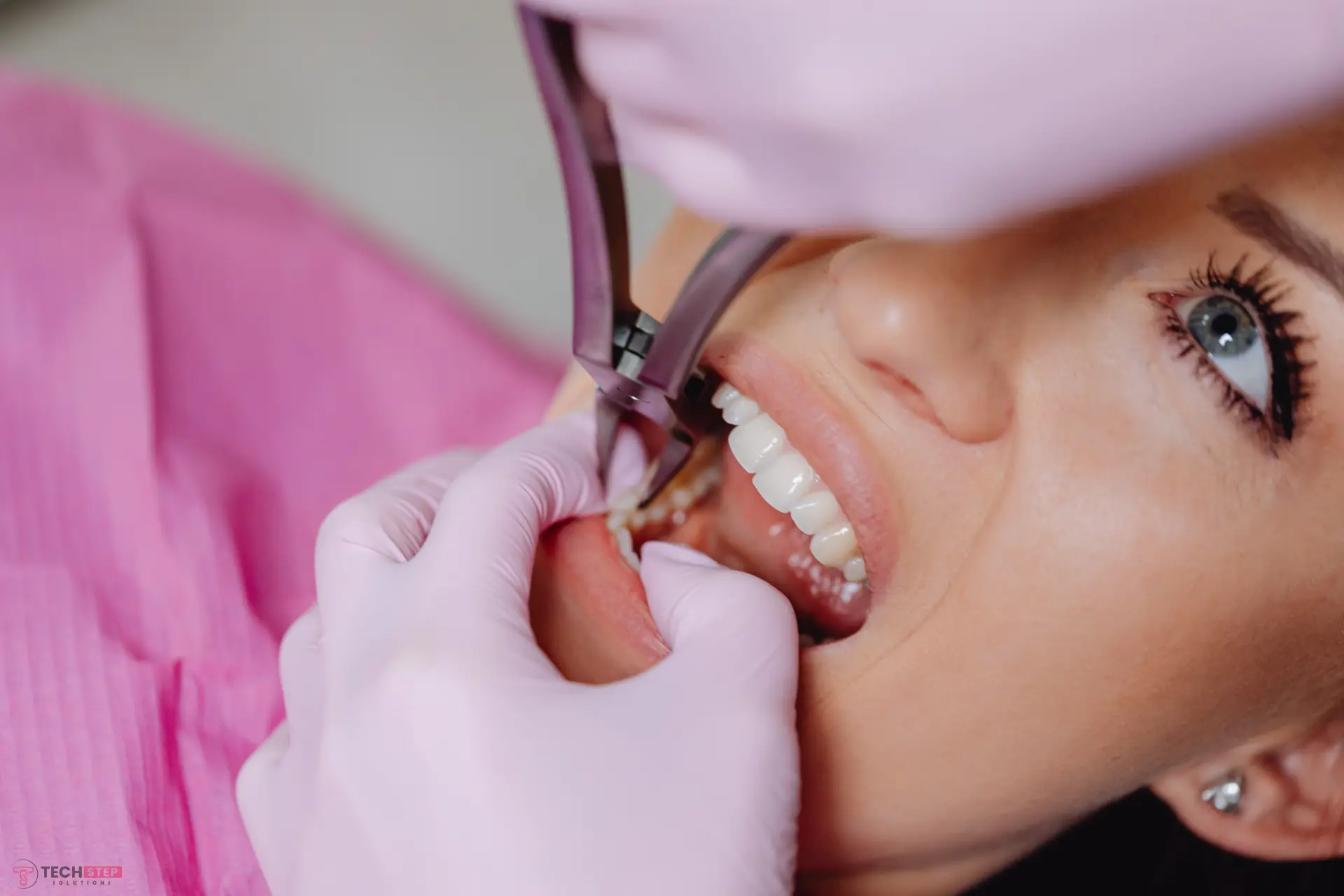
Get comfortable, expert tooth extraction in Magnolia, TX, at Rise Dentistry. Schedule your consultation today for safe, personalized care designed to protect your oral health and support a healthier, pain-free smile.
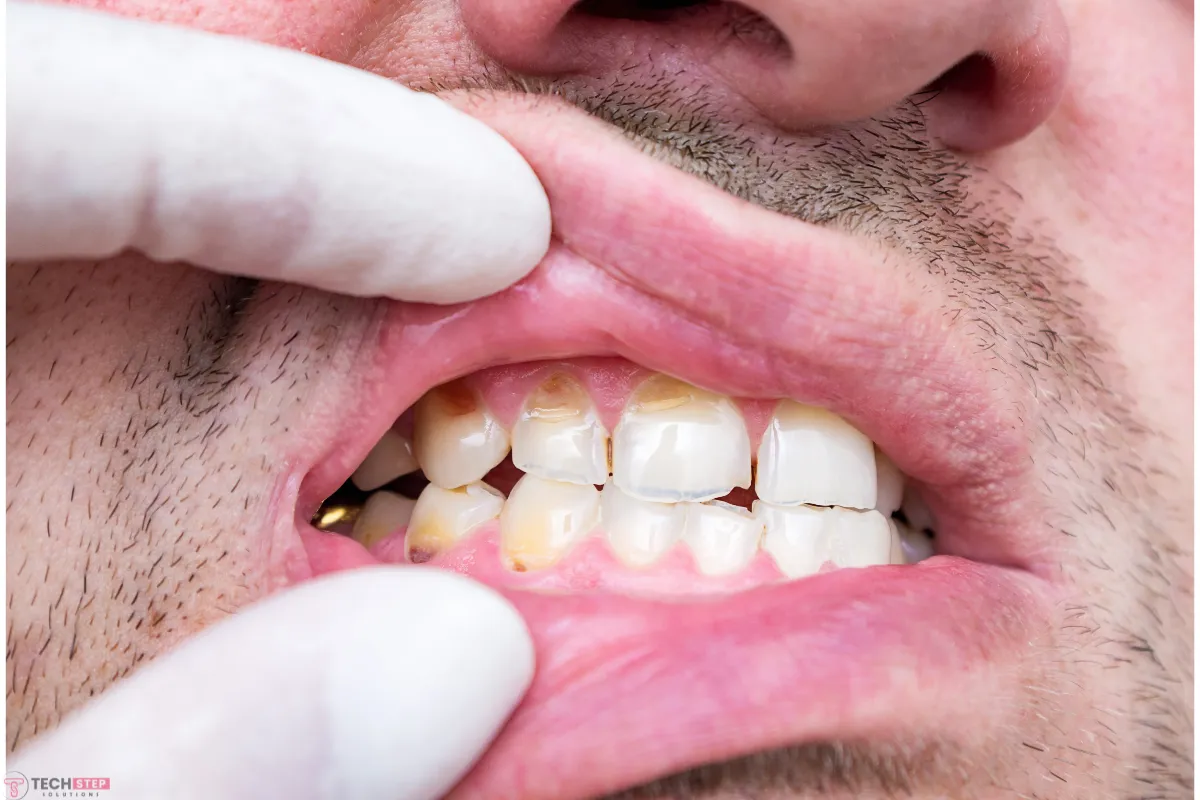
Hearing that you need a tooth removed can feel overwhelming, but in many cases, it’s the best step toward protecting your oral health. Whether you’re dealing with a severely damaged tooth, advanced decay, or an infection that can’t be treated with other procedures, tooth extraction in Magnolia TX may help relieve pain and prevent further complications.
Modern dentistry has made the tooth extraction procedure more comfortable and predictable than ever. With advanced techniques and local anesthesia for tooth removal, most patients experience minimal discomfort during treatment. After the extraction, following the right tooth extraction aftercare instructions can support a smooth recovery and reduce the risk of complications.
In this guide, you’ll find an overview of the key reasons for tooth extraction, what the procedure involves, how recovery typically progresses, and which tooth replacement options you can explore to rebuild your smile after treatment.
A tooth removal is a dental procedure that removes a tooth from its socket when it can no longer be preserved or when keeping it may affect your oral health. While dentists always aim to save natural teeth whenever possible, extraction is sometimes the safest and most effective solution.
Based on the tooth’s condition, your dentist may suggest a simple tooth extraction for teeth that are fully visible above the gumline, or a surgical tooth extraction if the tooth is impacted, fractured below the gum, or challenging to reach.
After carefully reviewing your oral health, your dentist will determine if any of the common reasons for tooth extraction apply to your case.
In some situations, patients may also require an emergency tooth extraction to relieve severe pain, swelling, or infection before it spreads to surrounding tissues.
The tooth removal procedure begins with a thorough examination and digital imaging to determine the safest treatment approach. Before removing the tooth, your dentist administers local anesthesia for tooth extraction to numb the area and keep you comfortable throughout the procedure.
For a simple tooth removal, the tooth is gently loosened and removed using specialized dental instruments. If the tooth is impacted or has broken beneath the gumline, a surgical tooth removal may be necessary. In these cases, your dentist carefully accesses the tooth before removing it while preserving as much surrounding bone and tissue as possible.
Once the tooth is taken out, the site is cleansed, and gauze is applied over the extraction site to manage bleeding and encourage clotting. Your dentist will then go over thorough tooth extraction aftercare instructions to ensure optimal healing.
The type of extraction recommended depends on the condition and location of the tooth.
A simple tooth removal is performed when the tooth is fully visible and can be removed without surgery. This procedure is commonly recommended for teeth that are severely decayed, loose, or beyond restoration.
A surgical tooth removal is often required for impacted teeth, fractured teeth below the gumline, or difficult wisdom teeth removal cases. This approach allows the dentist to remove the tooth safely while minimizing damage to surrounding structures.
Patients seeking experienced wisdom tooth extraction dentists can benefit from an evaluation to determine the most appropriate treatment based on the position and condition of their wisdom teeth.
Every patient’s tooth extraction recovery is different, but most people begin feeling noticeably better within a few days. Initial discomfort and pain after tooth removal usually improve within the first 48 to 72 hours, while the gums continue healing over the following weeks.
The overall tooth extraction healing time depends on factors like the procedure’s complexity, your general health, and how well you follow your dentist’s instructions. Wisdom tooth extraction recovery or surgical procedures may take longer than healing after a simple extraction.
Following proper recovery after tooth extraction guidelines can help reduce discomfort and support faster healing.
Following the right tooth extraction aftercare instructions can help reduce discomfort and promote faster healing. During the first 24 hours, keep the gauze in place as directed, avoid smoking, drinking through a straw, or vigorous rinsing, as these activities may dislodge the blood clot and delay healing.
To support recovery after tooth extraction, stick to soft foods such as yogurt, mashed potatoes, soup, and smoothies before gradually returning to your regular diet. When it comes to eating after tooth extraction, avoid hard, crunchy, spicy, or extremely hot foods until the area has healed.
Using an ice pack on your face during the first day may lessen swelling, and taking prescribed medications can ease pain after tooth extraction. Maintaining oral hygiene without touching the extraction site also aids in a smooth recovery.
Filling the gap from a missing tooth can bring back your smile, enhance chewing, and prevent nearby teeth from moving. Your dentist will recommend tooth replacement options based on your oral health and goals.
For those who qualify, dental implants after extraction provide a long-lasting alternative that looks and functions like a real tooth. Some patients may even be eligible for a same day tooth extraction and implant, with the implant inserted immediately following removal.
If multiple teeth are missing, other options such as bridges, removable dentures, or implant retained dentures may be recommended to restore your smile and improve daily function. Your dentist will discuss the most appropriate treatment based on your bone health, oral condition, and long-term goals.
A simple extraction usually takes 20–40 minutes, while surgical or wisdom Tooth removal may require more time depending on the complexity.
Your dentist numbs the area with local anesthesia, removes the tooth using the appropriate technique, and provides aftercare instructions to support healing.
The procedure itself is generally comfortable because local anesthesia numbs the treatment area. Mild soreness afterward is normal and typically improves within a few days.
Choose soft foods like yogurt, applesauce, mashed potatoes, and soup, then gradually return to your normal diet as healing progresses.
Initial healing usually occurs within one to two weeks, while complete healing of the bone and surrounding tissues can take several months.
Tooth extraction cost varies based on factors such as the type of extraction, tooth location, and whether additional procedures are required.
Bite gently on the gauze provided by your dentist and avoid strenuous activity. If bleeding continues or becomes excessive, contact your dental office promptly.
Most patients can gradually return to their regular diet after several days, depending on comfort and their dentist's recommendations.
A wisdom tooth extraction typically takes between 45 and 60 minutes, although more complex cases may require additional time.
If you need tooth removal, schedule a consultation with an experienced local dentist who can evaluate your condition, explain your treatment options, and recommend the most appropriate care for your smile.
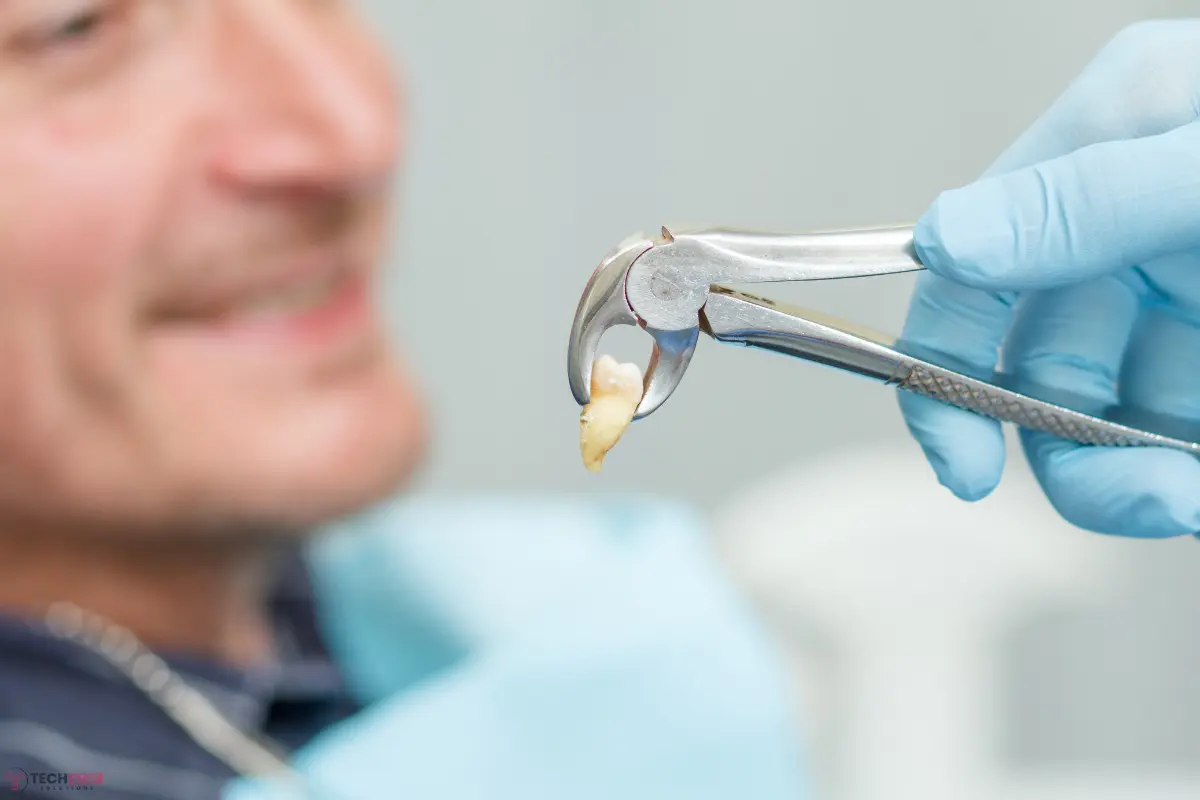
While preserving natural teeth is always the priority, there are situations where tooth extraction Magnolia TX is the healthiest solution to relieve pain, treat infection, or protect your overall oral health. Understanding the tooth extraction process, following proper aftercare, and exploring your tooth replacement options can help make the experience less stressful and support a successful recovery.
If you’re experiencing persistent tooth pain or believe you may need an extraction, scheduling an evaluation with an experienced Dentist Magnolia TX or Family Dentist in Magnolia Texas can help determine the most appropriate treatment for your needs and restore your oral health with confidence.
EXCELLENTTrustindex verifies that the original source of the review is Google. I called about needing to get only x-rays and they were able to get me in the same day! They were very nice and thorough.Posted on GoogleTrustindex verifies that the original source of the review is Google. Quick, clean, and friendly service! Definitely continuing my dental care here!Posted on GoogleTrustindex verifies that the original source of the review is Google. i can’t say enough good things about rise dentistry. i called for a consultation to remove my wisdom teeth. i was extremely embarrassed about the state of them but Dr. Sorathia was nothing but kind. he is extremely approachable and never made me feel bad. they managed to get me booked with the surgeon very promptly. one week after i’m no longer in pain and i will definitely return for my regular dental work.Posted on GoogleTrustindex verifies that the original source of the review is Google. "For years, I avoided the dentist due to my anxiety. Dr. Hassan sorathia and their team completely changed my perspective. The office has such a calming atmosphere, and the staff is compassionate and understanding. They explained every step of my treatment and made sure I was comfortable. I'm so grateful I found them and can now take care of my teeth without fear."Posted on GoogleTrustindex verifies that the original source of the review is Google. Rise was amazing! They extracted a wisdom tooth from me and the experience was completely pain free. Thank you so much!Posted on GoogleTrustindex verifies that the original source of the review is Google. I’m so grateful I found Dr. Sorathia and his wonderful staff at Rise Dentistry! From the moment I called, his office was incredibly accommodating and got me in immediately. He was professional, kind, and patient, and he truly understood my dental anxiety. I never felt rushed or pressured and he welcomed all my questions and explained each step of the process so I always knew what was happening. He made sure I understood all of my options, allowing me to make the most informed decision for my care. I left feeling comfortable, informed, and confident about my treatment. I will absolutely be returning to Dr. Sorathia and highly recommend him to anyone looking for a compassionate and thorough dentist.Posted on GoogleTrustindex verifies that the original source of the review is Google. I’m so glad I found this office! Staff is so kind and professional. They keep your comfort at the top of their priority list. Wish I had found them sooner! Can’t recommend this dentist enough!Posted on GoogleTrustindex verifies that the original source of the review is Google. Excellent Staff and Dr Sorathia very knowledgeable pleasant ambiance !

 .
.