









5-star rating on
Persistent tooth pain can disrupt eating, sleep, and daily focus. At Rise Dentistry, we provide Root Canal In Magnolia TX treatment for teeth affected by infection, deep decay, or internal damage. The goal is to clear unhealthy tissue while keeping as much of your natural tooth as possible.
If you are experiencing sensitivity, swelling, pain when biting, or discomfort that does not go away, our team can examine the tooth and recommend the most appropriate next step. Patients who also need ongoing preventive or restorative care can learn more about our Family Dentist Magnolia TX services.
Now accepting dental insurance plans from these popular carriers, and more.
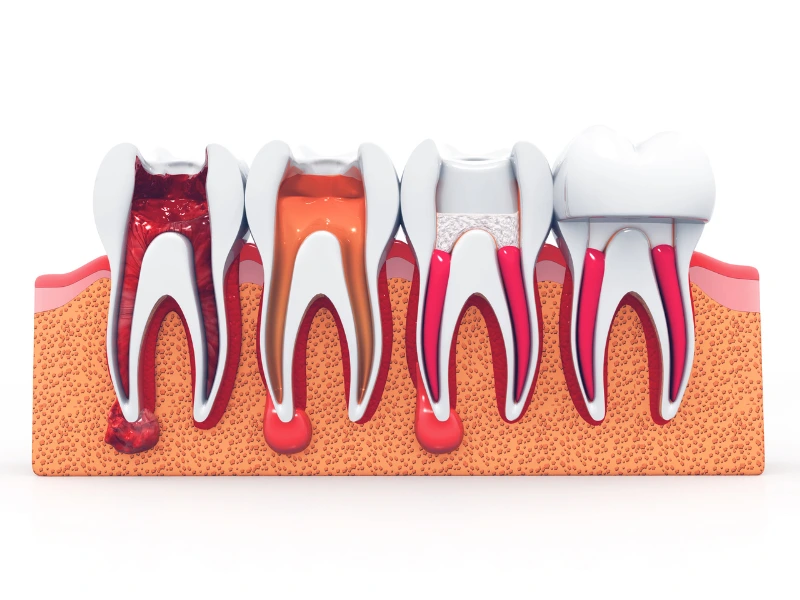
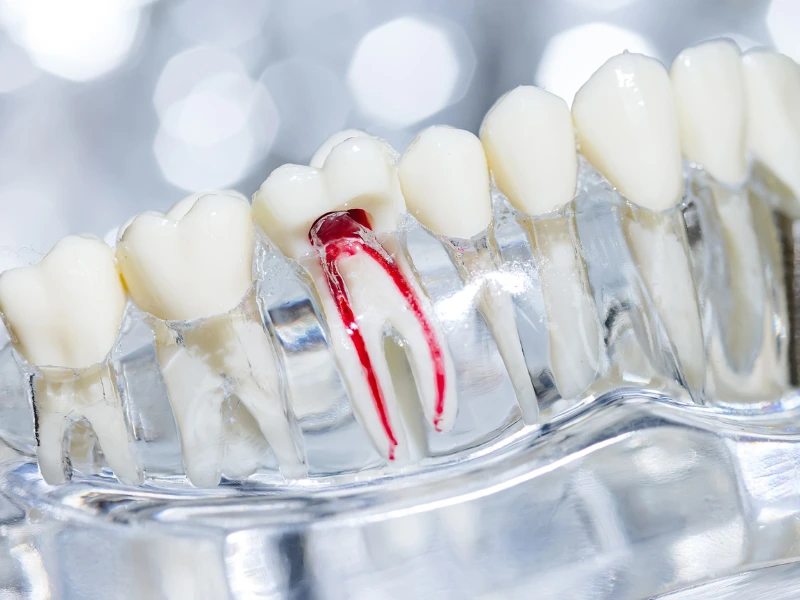
Root canal treatment may be needed when the dental pulp becomes inflamed, infected, or damaged. The pulp sits inside the pulp chamber and contains blood vessels and tooth nerves. Severe tooth decay, cracks, trauma, or an untreated tooth infection can damage this tissue.
During treatment, the unhealthy pulp is removed, the inner spaces are cleaned, and the tooth is sealed. This type of root canal service can support natural tooth preservation when the tooth is still restorable. Complex cases may sometimes be evaluated by an endodontist.
Knowing the root canal procedure step by step can make treatment easier to understand and prepare for.
Your root canal dentist first checks the tooth, surrounding gums, and your symptoms. X-rays may be used to see the roots and determine how far the problem has progressed.
Before treatment begins, local anesthetic is used to numb the tooth and nearby area so the procedure can be performed more comfortably.
A small opening is made in the tooth to reach the inner chamber.Infected dental pulp, inflamed dental pulp, or damaged pulp is removed from the canals with care.
The canals are carefully shaped and cleaned to remove debris and reduce bacteria inside the tooth.
After preparation, the canals are sealed. A filling may be placed first, followed by a permanent restoration when needed to restore the damaged tooth.
The benefits of root canal treatment depend on the condition of the tooth and surrounding tissues, so an examination is needed before treatment.
Some mild tenderness or tooth sensitivity may be noticeable after treatment, especially when chewing. For many patients, this improves gradually over the next few days.
During your root canal recovery time, avoid putting heavy pressure on the treated tooth until the final restoration is complete. Continue brushing and flossing carefully and attend any recommended follow-up dental visit. Contact the office if swelling increases or discomfort becomes more severe.
Root canal therapy may be recommended for persistent tooth pain, deep decay, lingering sensitivity, cracks, or signs of an infected tooth.
Not every toothache requires this treatment. Some symptoms may be caused by other dental problems, so a proper diagnosis is necessary before treatment is recommended.
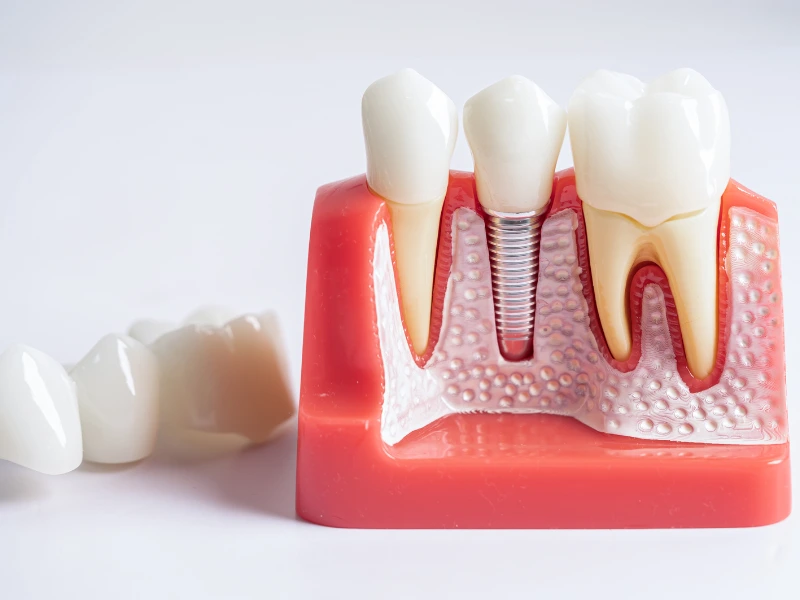
A crown may be recommended when the treated tooth needs additional support, especially for molars and premolars that handle greater chewing pressure.
The need for a crown depends on how much healthy tooth structure remains, where the tooth is located, and whether it already has a large filling or other damage. Your dentist will recommend the appropriate restoration once treatment is complete.
Treatment cost can vary based on the tooth involved, canal complexity, and the restoration needed afterward. Insurance coverage may also influence your out-of-pocket cost.
People searching for a cheap root canal should consider the complete treatment plan, including any filling or crown that may be required. Rise Dentistry can explain expected costs and available insurance information after evaluating the tooth.
Root canal treatment clears unhealthy pulp, cleans and seals the canals, and gets the tooth ready for restoration.
The tooth is numbed, an opening is created, the affected pulp is removed, the canals are cleaned and sealed, and a restoration is placed when neede
Local anesthesia is used during the procedure. Some tenderness can occur afterward, but the level and length of discomfort vary from patient to patient.
The appointment length depends on the tooth and the number or complexity of its canals. Some treatments finish in one visit, while others need a follow-up appointment.
A treated tooth may remain functional for many years with proper restoration, regular dental care, and good oral hygiene. How long it lasts depends on the tooth’s condition and individual factors.
Rise Dentistry provides Root Canal In Magnolia TX care for patients with tooth infection, internal damage, or persistent dental pain. An examination can determine whether root canal therapy is suitable for your tooth.
If tooth pain, swelling, or sensitivity is interfering with your routine, Rise Dentistry can help identify the cause and discuss your options. Schedule an evaluation for Root Canal In Magnolia TX treatment to find out whether preserving and restoring your natural tooth is the right approach for you.
EXCELLENTTrustindex verifies that the original source of the review is Google. I called about needing to get only x-rays and they were able to get me in the same day! They were very nice and thorough.Posted on GoogleTrustindex verifies that the original source of the review is Google. Quick, clean, and friendly service! Definitely continuing my dental care here!Posted on GoogleTrustindex verifies that the original source of the review is Google. i can’t say enough good things about rise dentistry. i called for a consultation to remove my wisdom teeth. i was extremely embarrassed about the state of them but Dr. Sorathia was nothing but kind. he is extremely approachable and never made me feel bad. they managed to get me booked with the surgeon very promptly. one week after i’m no longer in pain and i will definitely return for my regular dental work.Posted on GoogleTrustindex verifies that the original source of the review is Google. "For years, I avoided the dentist due to my anxiety. Dr. Hassan sorathia and their team completely changed my perspective. The office has such a calming atmosphere, and the staff is compassionate and understanding. They explained every step of my treatment and made sure I was comfortable. I'm so grateful I found them and can now take care of my teeth without fear."Posted on GoogleTrustindex verifies that the original source of the review is Google. Rise was amazing! They extracted a wisdom tooth from me and the experience was completely pain free. Thank you so much!Posted on GoogleTrustindex verifies that the original source of the review is Google. I’m so grateful I found Dr. Sorathia and his wonderful staff at Rise Dentistry! From the moment I called, his office was incredibly accommodating and got me in immediately. He was professional, kind, and patient, and he truly understood my dental anxiety. I never felt rushed or pressured and he welcomed all my questions and explained each step of the process so I always knew what was happening. He made sure I understood all of my options, allowing me to make the most informed decision for my care. I left feeling comfortable, informed, and confident about my treatment. I will absolutely be returning to Dr. Sorathia and highly recommend him to anyone looking for a compassionate and thorough dentist.Posted on GoogleTrustindex verifies that the original source of the review is Google. I’m so glad I found this office! Staff is so kind and professional. They keep your comfort at the top of their priority list. Wish I had found them sooner! Can’t recommend this dentist enough!Posted on GoogleTrustindex verifies that the original source of the review is Google. Excellent Staff and Dr Sorathia very knowledgeable pleasant ambiance !

 .