Get a beautiful smile without breaking the bank—contact us today for an affordable dental bonding consultation and personalized pricing!
If you are considering straighter teeth without metal brackets and wires, one of the first questions you may have is: How Much Do Clear Aligners Cost? In the U.S., clear aligner treatment often costs several thousand dollars, with a recent national estimate averaging about $5,108. Actual fees can vary based on treatment complexity, treatment length, provider, and what is included in the plan.
At Rise Dentistry, we determine the final clear aligner treatment cost based on a thorough evaluation of your teeth, bite, and treatment goals. A personalized quote is more accurate than relying on one national average.
The amount of orthodontic correction required plays a significant role in determining the cost of clear aligners. Mild cases with limited teeth movement may require fewer trays, while more involved cases can need a longer series of aligners.
CareCredit currently reports an average U.S. cost of about $5,108 for clear aligners, compared with around $6,343 for metal braces. These figures are national estimates, not pricing from Rise Dentistry, and actual fees vary by location and provider.
The total clear aligners cost may include treatment planning, trays, progress visits, and other services depending on the provider’s package.
The price of orthodontic treatment may vary depending on several factors.
Before treatment begins, your dentist should clearly explain everything included in your treatment plan.
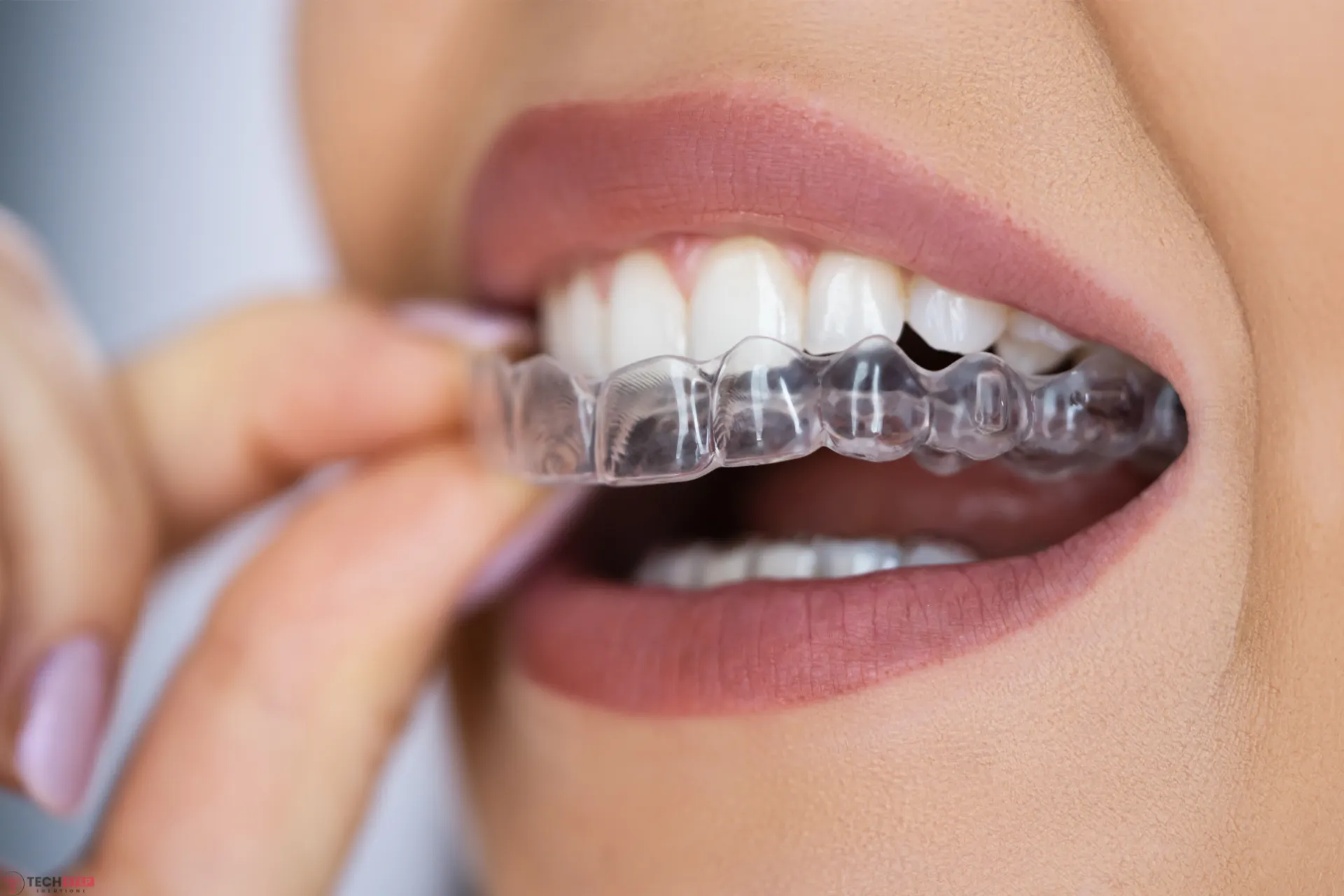
Clear Aligners are transparent dental trays made to gradually move teeth toward planned positions. Cleveland Clinic describes clear aligners as custom-made removable devices used to treat crooked or crowded teeth and certain mild-to-moderate bite problems.
Not every provider includes all of these items in one fee, so ask what your quote covers.
The amount of teeth straightening required is one of the biggest cost factors. Small spacing issues or mild crowding may require fewer trays and a shorter treatment period.
More significant teeth alignment concerns can require additional trays, attachments, refinements, and monitoring. Cases involving bite correction may also take longer than simple cosmetic alignment.
Clear aligners are not suitable for every orthodontic problem. Cleveland Clinic notes that treatment is typically used for crooked or crowded teeth and some mild-to-moderate malocclusions, while more complex cases may require another approach.
Patients often compare aligners with traditional metal braces before choosing treatment. Current national estimates from CareCredit place clear aligners at about $5,108 on average and metal braces around $6,343, although individual quotes can differ substantially.
Cost alone should not decide treatment. Braces may be better suited to certain complex tooth movements, while removable aligners can be more convenient for eating and oral hygiene.
For patients who qualify, clear trays can serve as an Invisalign alternative depending on the system offered by the dental provider.
Your clear aligners cost with insurance can vary based on your orthodontic benefits. Certain dental insurance plans may offer coverage for aligners similar to other orthodontic treatments.
CareCredit notes that certain plans may provide up to about $3,000 toward orthodontic treatment, although benefits vary significantly by policy.
Your dental insurance coverage may have:
Always verify your specific plan rather than assuming that aligners are fully covered.
An orthodontic fee of several thousand dollars may not need to be paid in a single payment. Depending on the practice, monthly payment plans or third-party financing may be available.
Patients may also be able to use HSA or FSA funds for eligible orthodontic expenses. CareCredit notes that financing options may be used to help manage deductibles, copays, or remaining treatment costs.
When comparing payment plans, review the total amount financed, interest terms, repayment period, and whether any treatment fees are excluded.
The quoted teeth straightening cost may not always represent every expense from start to finish.
Ask whether the treatment fee includes:
Depending on the provider, an additional fee may apply if aligners are lost or damaged. CareCredit notes that replacement policies vary by dentist and aligner system.
Understanding these details before treatment makes it easier to compare clear aligners cost accurately.
The value of aligner treatment depends on your goals, case complexity, and commitment to wearing the trays as instructed.
For suitable patients, aligners offer discreet smile correction, easier brushing and flossing compared with fixed braces, and the convenience of removing trays for meals. Because treatment depends heavily on consistent wear, patients who frequently remove or forget their trays may not achieve the planned teeth movement.
The best way to judge value is to compare expected results, treatment time, total cost, and suitability rather than choosing treatment based only on price.
Rise Dentistry provides clear aligner treatment as part of its cosmetic and comprehensive dental services in Magnolia, TX. The practice offers personalized treatment planning and clear aligner evaluations based on individual bite and alignment needs.
During a consultation, your dentist can assess crowded teeth, spacing, bite concerns, and overall oral health to determine whether clear aligners are appropriate. Your quote can then reflect the expected number of trays and treatment complexity rather than a generic national price.
A recent U.S. average reported by CareCredit is approximately $5,108, although individual treatment costs vary by provider, location, complexity, and treatment length.
Certain dental insurance plans offer orthodontic benefits that may help cover the cost of clear aligners. Coverage may be subject to lifetime maximums, age limits, deductibles, and other policy rules.
They can be, but not always. Current CareCredit averages show clear aligners costing less than metal braces nationally, but your individual treatment plan may differ.
Several important factors can influence the cost of clear aligners, including case complexity, treatment duration, number of trays required, refinements, provider fees, and insurance benefits.
Teeth may stop moving as planned or shift back toward earlier positions. This can delay treatment and may require additional trays or a revised plan.

If you are asking How Much Do Clear Aligners Cost, national averages can give you a starting point, but only a dental evaluation can determine the cost of your individual case.
Schedule a consultation with Rise Dentistry to discuss your alignment goals, treatment options, expected timeline, insurance benefits, and estimated cost.
EXCELLENTTrustindex verifies that the original source of the review is Google. I called about needing to get only x-rays and they were able to get me in the same day! They were very nice and thorough.Posted on GoogleTrustindex verifies that the original source of the review is Google. Quick, clean, and friendly service! Definitely continuing my dental care here!Posted on GoogleTrustindex verifies that the original source of the review is Google. i can’t say enough good things about rise dentistry. i called for a consultation to remove my wisdom teeth. i was extremely embarrassed about the state of them but Dr. Sorathia was nothing but kind. he is extremely approachable and never made me feel bad. they managed to get me booked with the surgeon very promptly. one week after i’m no longer in pain and i will definitely return for my regular dental work.Posted on GoogleTrustindex verifies that the original source of the review is Google. "For years, I avoided the dentist due to my anxiety. Dr. Hassan sorathia and their team completely changed my perspective. The office has such a calming atmosphere, and the staff is compassionate and understanding. They explained every step of my treatment and made sure I was comfortable. I'm so grateful I found them and can now take care of my teeth without fear."Posted on GoogleTrustindex verifies that the original source of the review is Google. Rise was amazing! They extracted a wisdom tooth from me and the experience was completely pain free. Thank you so much!Posted on GoogleTrustindex verifies that the original source of the review is Google. I’m so grateful I found Dr. Sorathia and his wonderful staff at Rise Dentistry! From the moment I called, his office was incredibly accommodating and got me in immediately. He was professional, kind, and patient, and he truly understood my dental anxiety. I never felt rushed or pressured and he welcomed all my questions and explained each step of the process so I always knew what was happening. He made sure I understood all of my options, allowing me to make the most informed decision for my care. I left feeling comfortable, informed, and confident about my treatment. I will absolutely be returning to Dr. Sorathia and highly recommend him to anyone looking for a compassionate and thorough dentist.Posted on GoogleTrustindex verifies that the original source of the review is Google. I’m so glad I found this office! Staff is so kind and professional. They keep your comfort at the top of their priority list. Wish I had found them sooner! Can’t recommend this dentist enough!Posted on GoogleTrustindex verifies that the original source of the review is Google. Excellent Staff and Dr Sorathia very knowledgeable pleasant ambiance !

 .
.