










5-star rating on

Dental Cleaning in Magnolia, TX – A Fresh Start for Your Smile

dental cleaning in magnolia tx

Even with careful brushing, plaque can collect around teeth and harden into deposits you cannot remove at home. At Rise Dentistry Magnolia, Dental Cleaning in Magnolia, TX helps patients manage buildup, protect their gums, and feel more confident about their oral health. Our team explains your needs without judgment. Professional care supports good oral health when combined with daily brushing and flossing.

Now accepting dental insurance plans from these popular carriers, and more.

Why Is Professional Dental Cleaning Important and What Is It?

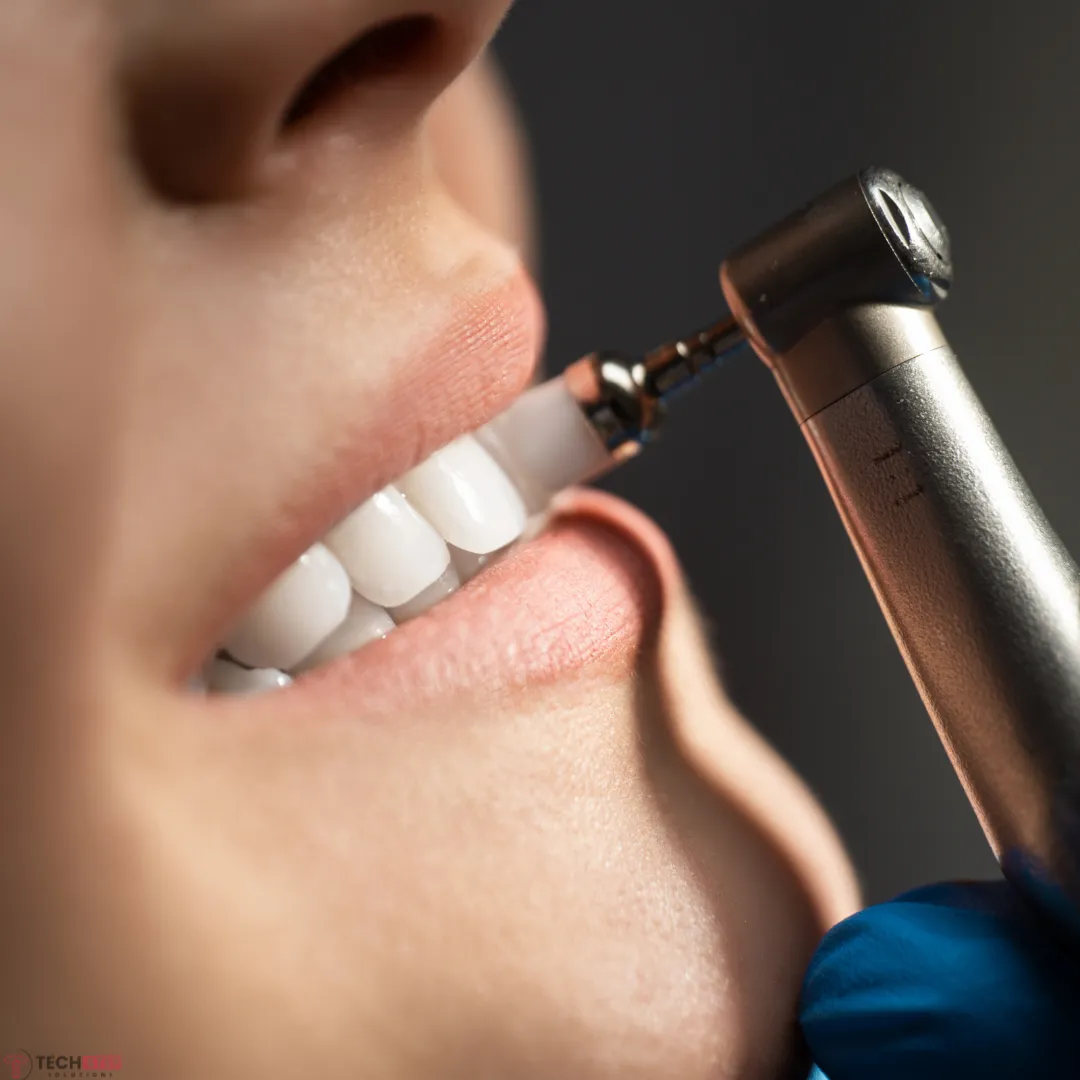
Professional teeth cleaning is a preventive procedure that removes soft plaque and hardened tartar from accessible tooth surfaces and around the gumline. A dental hygienist uses specialized instruments for dental scaling, followed by teeth polishing when appropriate. This supports healthier teeth and gums. Unlike whitening, cleaning does not change natural tooth color. Regular cleaning is not the same treatment as scaling and root planing for established periodontal disease.

Your Dental Cleaning Visit Made Simple

Process of Dental Cleaning

Step 1: Dental Examination

Your dentist or hygienist reviews your history, checks gum health, and looks for areas needing attention.

Step 2: Plaque and Tartar Removal

Hand instruments or an ultrasonic scaler remove deposits from teeth and along the gumline.

Step 3: Polishing and Rinsing

Teeth polishing removes some surface stains, and rinsing clears loose debris.

Step 4: Personalized Home-Care Advice

You'll receive practical guidance on brushing, flossing, and your next visit.

Small Preventive Visits, Meaningful Oral Health Benefits

dental cleaning

Routine cleaning supports good oral hygiene and helps lower risks between appointments.

Cleaner Tooth Surfaces:

Tartar removal clears deposits a toothbrush cannot lift.

Gum Disease Prevention:

Reducing plaque supports gingivitis control and may lower gum inflammation.

Cavity Prevention:

Plaque control contributes to tooth decay prevention when paired with fluoride toothpaste and diet habits.

Fresher Breath:

Bacteria removal can help reduce odor caused by dental buildup.

A Polished Smile:

Removing certain surface stains leaves teeth feeling smoother without weakening healthy tooth enamel.

A Noticeably Fresher Smile After Your Cleaning

After a routine dental cleaning, your teeth may feel smooth and your mouth refreshed. Some patients notice less gumline buildup and improved fresh breath.

Results are usually subtle rather than dramatic: a cleaning cannot repair cavities, reverse gum recession, or permanently eliminate discoloration. Sensitive teeth may feel temporarily tender. Tell your clinician about discomfort so your care can be adjusted. Consistent at-home habits help those clean-mouth results last.

Everyday Signs It Is Time for a Professional Cleaning

Dental Cleaning Before and After

Routine cleaning can be a suitable option for many patients with healthy gums. You may especially benefit if you notice deposits around back teeth, stains from coffee or tea, or difficulty cleaning between crowded teeth.

Bleeding gums deserve an evaluation, not simply a more vigorous brushing routine. Persistent bleeding or deep gum pockets may suggest periodontal disease and call for a different treatment plan. Your dental examination determines whether routine gumline cleaning is appropriate.

Understanding Dental Cleaning Costs in Magnolia

The cost of a dental cleaning appointment depends on your clinical needs, whether an examination or X-rays are required, and your insurance benefits. Fluoride or other recommended preventive services may affect the total.

If you are comparing affordable dental cleaning options, ask for an estimate before booking and confirm what your plan covers. Routine cleaning and periodontal therapy have different costs. Rise Dentistry Magnolia can discuss available payment arrangements and coverage questions with you.

A Comfortable Cleaning Experience at Rise Dentistry Magnolia

Rise Dentistry Magnolia offers dental cleanings as part of its preventive services, with registered dental hygienists and an approach that considers comfort, including patients with sensitivity.

The practice also provides broader Family Dentistry services, making coordinated care easier for households. Explore Rise Dentistry Magnolia for additional treatments, office information, and appointment options.

The goal is straightforward: explain findings clearly and recommend care suited to your gum health rather than a one-size-fits-all procedure.

FAQs

When should you schedule your next professional dental cleaning?

Many people attend about every six months, but your dentist may recommend a different schedule based on cavity risk and gum health.

Routine cleaning targets preventive buildup; deep cleaning involves scaling and root planing beneath the gums when indicated for periodontitis.

Most people feel pressure or vibration rather than pain. Mention sensitive areas before treatment so your clinician can adjust the technique.

A standard cleaning often takes around 30–60 minutes. An examination, X-rays, or additional care may extend your visit.

Give Your Smile the Care It Deserves

Dental-Cleaning-in-Magnolia-TX

Searching for dental cleaning near me or a reliable teeth cleaning dentist? Visit Rise Dentistry Magnolia at 6519 Farm to Market Road 1488, Suite 505, Magnolia, TX 77354.

Call (281) 727-0288 to arrange your next Dental Cleaning in Magnolia, TX and ask about appointments that fit your schedule.

Frequently Asked Questions About Gum Bleeding After Dental Cleaning

Why do gums bleed after a dental cleaning?

Gum bleeding after a cleaning is usually caused by inflammation from plaque and tartar buildup along the gumline. When your hygienist removes these deposits, the irritated tissue may bleed briefly. Patients with early-stage gum disease (gingivitis) are more likely to experience this. If bleeding persists beyond a day or two, schedule a dental check-up so your dentist can evaluate your gum health.

How do I stop gum bleeding after a dental cleaning?

Apply gentle pressure with damp gauze for 10 to 15 minutes. Rinse with warm salt water (half a teaspoon of salt in eight ounces of water) two to three times a day. Avoid hot or spicy foods, alcohol-based mouthwash, and vigorous brushing for the first 24 hours. Use a soft-bristle toothbrush and continue gentle flossing. If bleeding does not slow within 24 hours, contact your dentist for a follow-up evaluation.

Is it normal for gums to bleed during a cleaning?

Some bleeding during a dental cleaning is common, especially if there is significant tartar buildup or if it has been a while since your last visit. Healthy gums with minimal plaque rarely bleed. Frequent bleeding during cleanings can be an early sign of gingivitis or periodontal disease. Talk to your dentist about a bleeding gums treatment plan if this happens at every appointment.

How long does bleeding last after a dental cleaning?

Minor bleeding and gum tenderness typically resolve within a few hours to one day after a routine cleaning. For deeper cleanings that address heavier tartar buildup, mild bleeding may last up to 48 hours. If bleeding continues beyond two days, increases in intensity, or is accompanied by swelling or fever, contact your dental office promptly for an assessment.

When should I call my dentist about bleeding after a cleaning?

Contact your dentist if bleeding has not stopped after 48 hours, if you notice heavy or spontaneous bleeding, or if you develop swelling, persistent pain, or fever. These could indicate an underlying gum condition that needs treatment. Patients on blood-thinning medications should mention this before their cleaning so the dental team can take appropriate precautions. Schedule a check-up if you have concerns.

Can regular cleanings reduce gum bleeding over time?

Yes. Consistent professional cleanings every six months remove plaque and tartar before they cause chronic inflammation. Over time, gum tissue becomes healthier and far less prone to bleeding. Pairing regular dental cleanings with daily brushing and flossing is the most effective way to prevent gingivitis. Family dentistry visits also help establish healthy habits for patients of all ages.