Swelling is temporary—learn the healing timeline and book your follow-up visit today for a smooth, comfortable recovery!
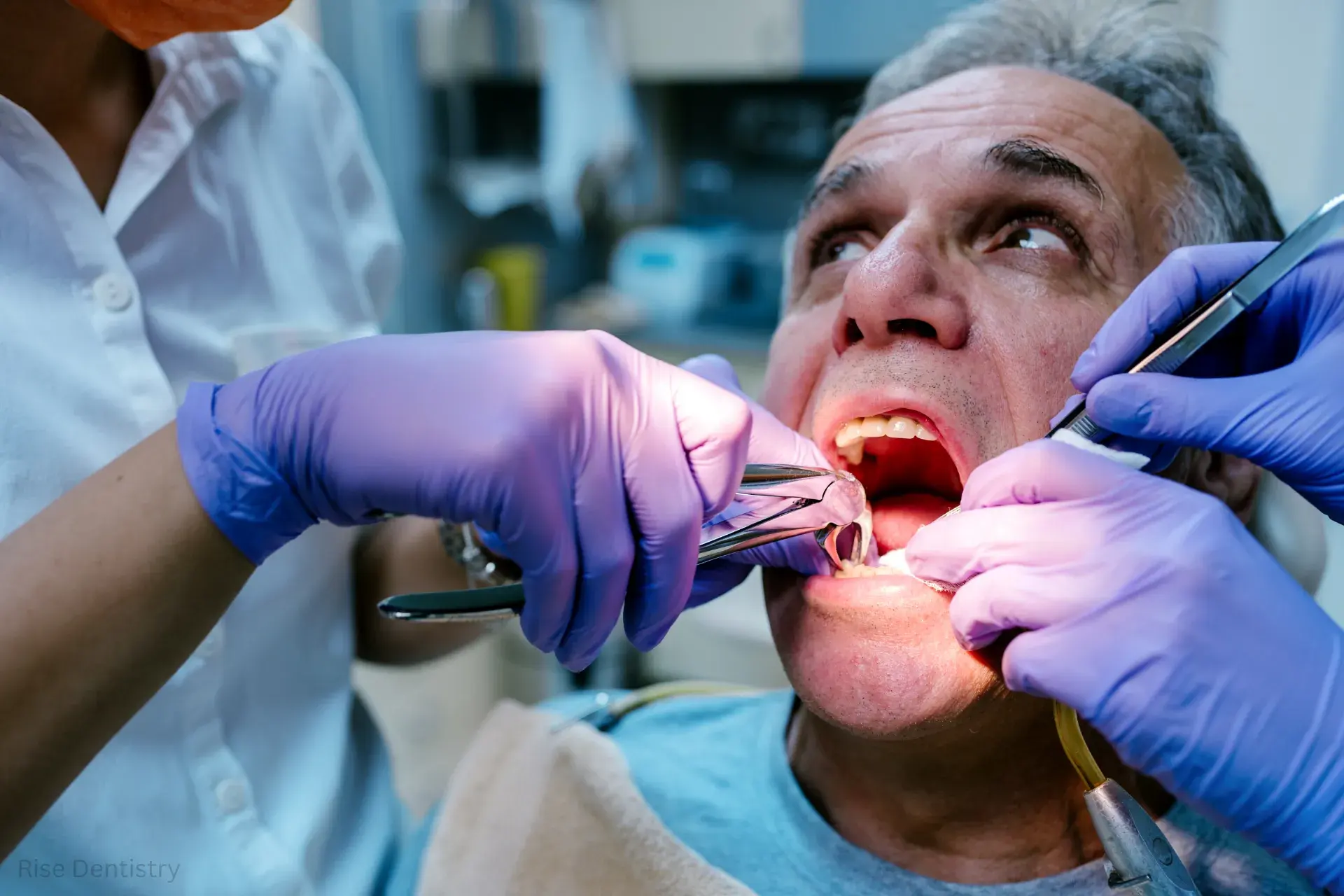
If you’ve recently had a tooth removed, you may be asking yourself: how long does swelling last after tooth extraction? In many cases, swelling becomes most noticeable during the first 48–72 hours and then gradually starts to settle. Mild facial puffiness, gum tenderness, or jaw discomfort may remain for several days, especially after a more involved extraction.
At Rise Dentistry, we help patients understand what to expect during tooth extraction recovery and when symptoms may need a closer look. The exact timeline depends on the tooth removed, procedure complexity, and your body’s healing response.
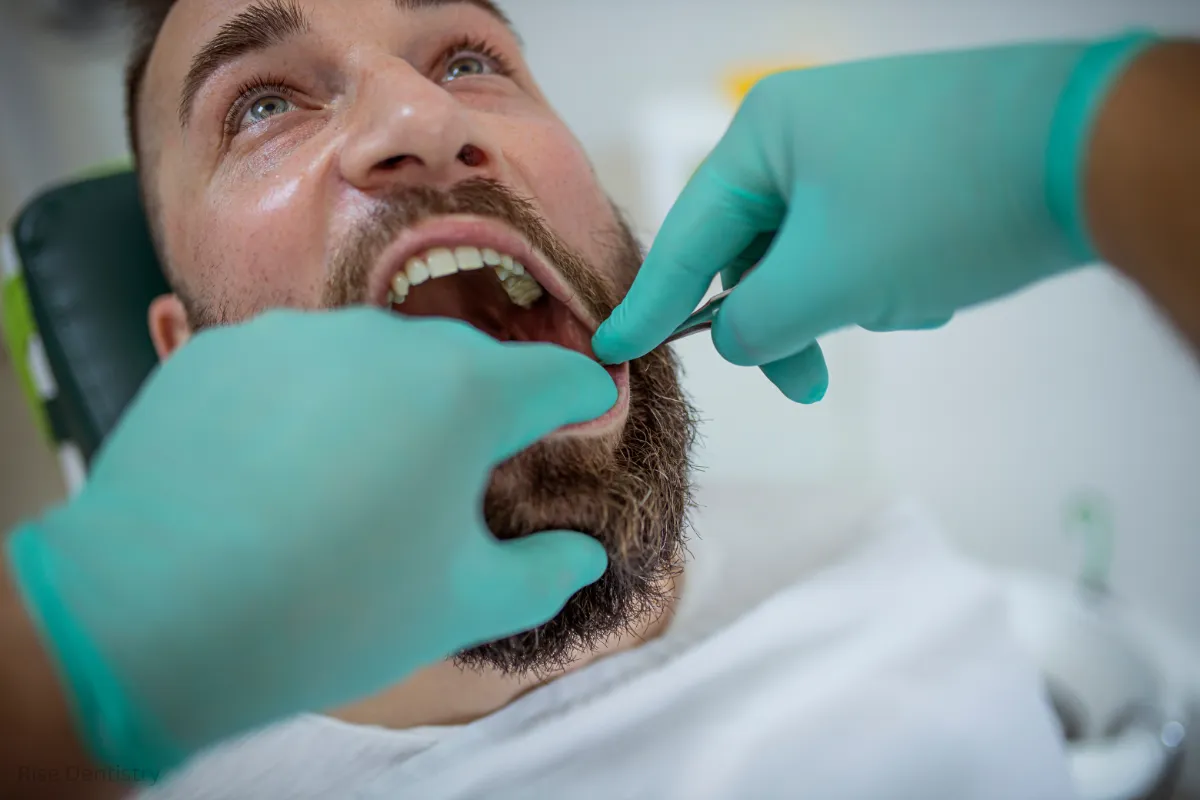
Swelling after tooth extraction usually increases during the first two to three days. This happens because the body creates an inflammatory response around the surgical area as early healing begins.
For many patients, swelling typically reaches its peak within the first 48–72 hours. After that, it should gradually improve rather than continue getting worse. More complex procedures, including removal of impacted wisdom teeth, may cause swelling to last longer.
The tooth extraction healing process happens in stages, and swelling can change as the tissues recover.
A blood clot formation begins inside the extraction site shortly after the tooth is removed. Mild soreness, bleeding, and early swelling are common during this stage.
Protecting the clot is important because it supports tissue healing and helps cover the underlying bone and nerves.
Post-operative swelling often becomes most noticeable during this period. You may also notice gum inflammation, cheek puffiness, or jaw tightness.
An ice pack after extraction or cold compress may help control swelling when used as directed during the first 48–72 hours.
Swelling should usually begin to decrease. Some facial puffiness or tenderness can still be present, especially after a difficult extraction or oral surgery.
Many patients feel significantly better within a week, although deeper healing continues beyond this point. Some swelling may take longer to fully resolve after complex surgery.

Not every patient experiences the same tooth extraction healing time. Several factors can influence how long swelling remains noticeable:
Here’s what to expect:
Following your dentist’s dental aftercare instructions can help support a smoother recovery.
Swelling occurs as a natural part of the body’s healing response following tissue injury. Removing a tooth affects gum tissue and, in some cases, the surrounding bone, so the body sends fluid and inflammatory cells to the area.
The amount of swelling can depend on whether you had a simple extraction or a surgical extraction. Removing impacted wisdom teeth, multiple teeth, or teeth requiring more surgical access can create a stronger inflammatory response.
Good tooth extraction aftercare can help manage discomfort and keep swelling under control.
Your dentist’s specific instructions should always take priority over general recovery advice.
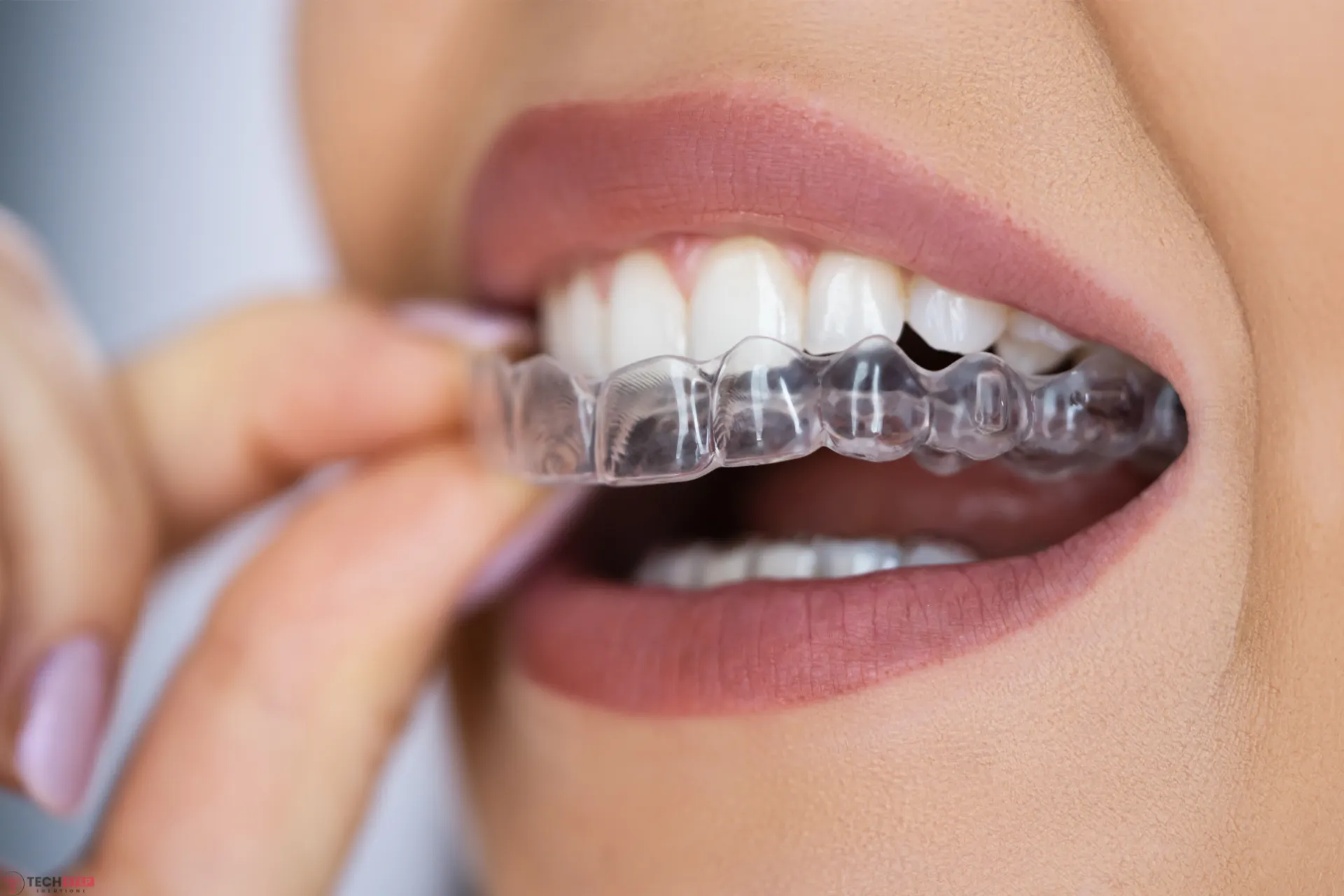
A cold compress is generally most useful during the first two to three days because it can help limit swelling and discomfort. Many dentists recommend applying it intermittently rather than continuously.
A warm compress may be more useful later, once the initial swelling has peaked, particularly for lingering muscle tightness or jaw stiffness. Follow the instructions given by your dental team before switching from cold to warmth.
Some swelling is expected, but the overall trend should move toward improvement. Swelling that keeps increasing after several days or returns after starting to settle may need professional evaluation.
Possible tooth extraction infection symptoms include:
A dentist should evaluate any suspected infection after tooth extraction. Severe or rapidly spreading facial swelling, especially with difficulty breathing or swallowing, needs urgent medical attention.
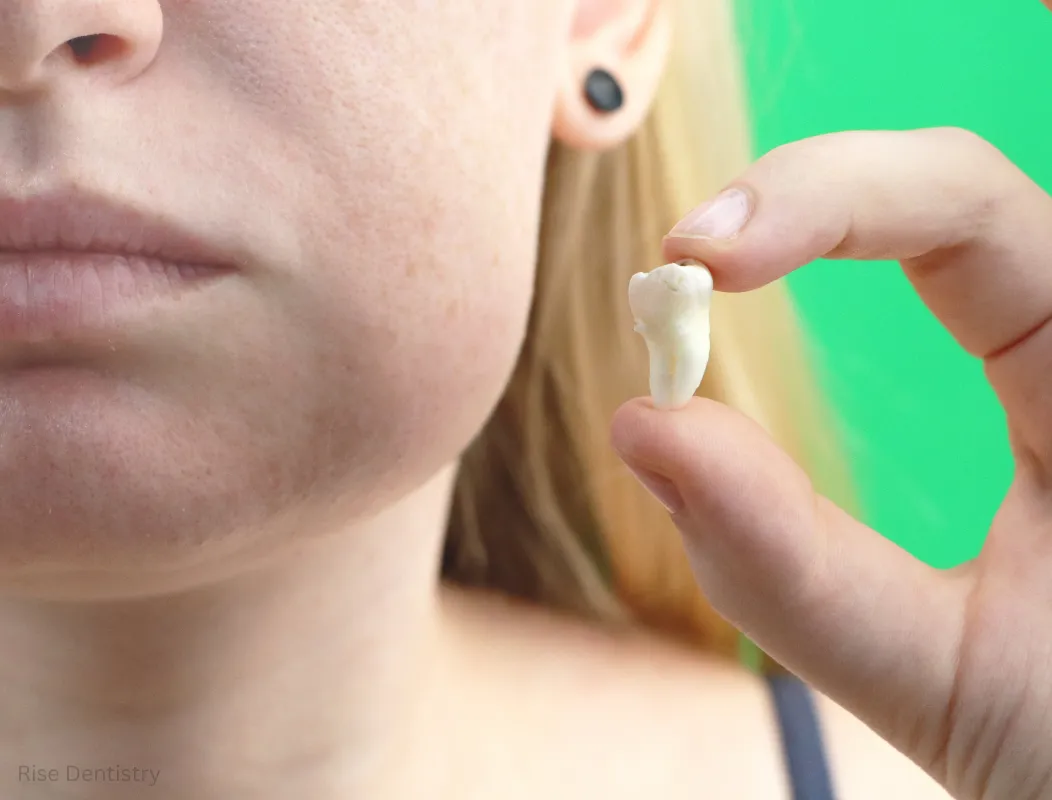
A dry socket occurs when the protective blood clot fails to form properly or becomes dislodged too early. This exposes underlying bone and nerves and can cause severe pain a few days after extraction.
Dry socket is usually associated more strongly with worsening pain, bad breath, or a foul taste than with major swelling. If your pain becomes significantly worse after initially improving, contact your dentist.
Rest, hydration, and gentle eating habits can support tooth extraction recovery. Avoid hard or crunchy foods that could irritate the surgical area, and follow your dentist’s instructions for brushing and rinsing around the site.
Patients receiving Tooth Extraction care should also avoid disturbing the clot with forceful rinsing, smoking, or unnecessary touching. Gentle aftercare gives the socket time to heal naturally.
Rise Dentistry provides restorative, preventive, and extraction-related dental care for patients in Magnolia, TX. Your dentist can evaluate healing, review symptoms, and determine whether swelling is part of normal recovery or needs additional treatment.
Patients who need ongoing routine dental care can also explore Family Dentistry for exams, preventive services, and long-term oral health support.
Swelling often peaks within 48–72 hours and gradually improves afterward. Mild swelling can last around five to seven days, while complex extractions may take longer to fully settle.
Swelling commonly reaches its highest point around the second or third day after the procedure.
To reduce swelling after tooth extraction, apply cold packs during the early recovery period, get adequate rest, keep your head elevated, eat a soft diet, and take medication according to your dentist’s instructions.
Reach out to your dentist if swelling continues to increase rather than improve, especially if you experience fever, worsening pain, bad taste, or discharge. If you develop difficulty breathing or swallowing, seek urgent medical attention.
Some swelling may still be present on day five, particularly after surgical extraction, but it should generally be improving. Your dentist should evaluate any swelling that persists or becomes worse over time.
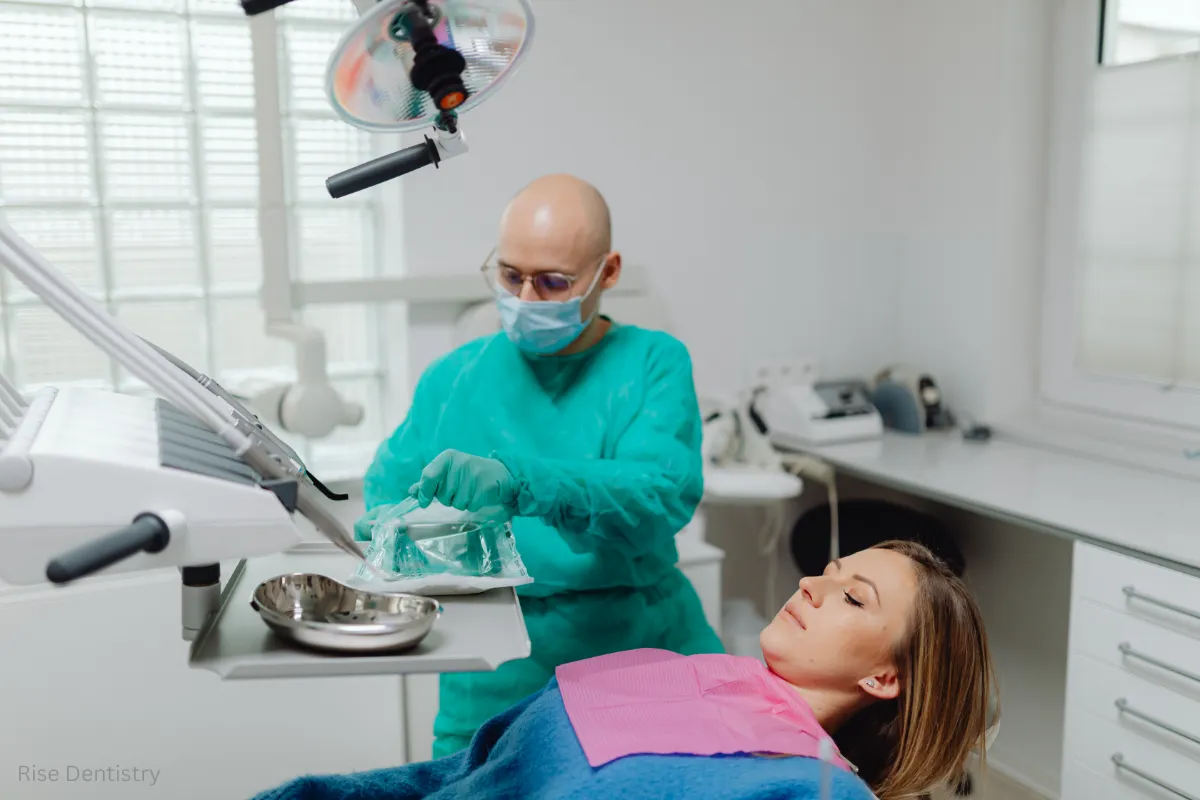
If you’re asking how long does swelling last after tooth extraction, paying attention to how your recovery progresses is one of the most important factors. Swelling usually increases during the first two to three days, then gradually decreases as healing continues.
If swelling is getting worse, lasts longer than expected, or is accompanied by signs of infection, contact Rise Dentistry for an evaluation and personalized guidance.
EXCELLENTTrustindex verifies that the original source of the review is Google. I called about needing to get only x-rays and they were able to get me in the same day! They were very nice and thorough.Posted on GoogleTrustindex verifies that the original source of the review is Google. Quick, clean, and friendly service! Definitely continuing my dental care here!Posted on GoogleTrustindex verifies that the original source of the review is Google. i can’t say enough good things about rise dentistry. i called for a consultation to remove my wisdom teeth. i was extremely embarrassed about the state of them but Dr. Sorathia was nothing but kind. he is extremely approachable and never made me feel bad. they managed to get me booked with the surgeon very promptly. one week after i’m no longer in pain and i will definitely return for my regular dental work.Posted on GoogleTrustindex verifies that the original source of the review is Google. "For years, I avoided the dentist due to my anxiety. Dr. Hassan sorathia and their team completely changed my perspective. The office has such a calming atmosphere, and the staff is compassionate and understanding. They explained every step of my treatment and made sure I was comfortable. I'm so grateful I found them and can now take care of my teeth without fear."Posted on GoogleTrustindex verifies that the original source of the review is Google. Rise was amazing! They extracted a wisdom tooth from me and the experience was completely pain free. Thank you so much!Posted on GoogleTrustindex verifies that the original source of the review is Google. I’m so grateful I found Dr. Sorathia and his wonderful staff at Rise Dentistry! From the moment I called, his office was incredibly accommodating and got me in immediately. He was professional, kind, and patient, and he truly understood my dental anxiety. I never felt rushed or pressured and he welcomed all my questions and explained each step of the process so I always knew what was happening. He made sure I understood all of my options, allowing me to make the most informed decision for my care. I left feeling comfortable, informed, and confident about my treatment. I will absolutely be returning to Dr. Sorathia and highly recommend him to anyone looking for a compassionate and thorough dentist.Posted on GoogleTrustindex verifies that the original source of the review is Google. I’m so glad I found this office! Staff is so kind and professional. They keep your comfort at the top of their priority list. Wish I had found them sooner! Can’t recommend this dentist enough!Posted on GoogleTrustindex verifies that the original source of the review is Google. Excellent Staff and Dr Sorathia very knowledgeable pleasant ambiance !

 .
.