Experiencing wisdom tooth pain? Call a dentist in Magnolia now for fast relief and proper care. Heal safely—manage pain and swelling early.
Worst Day of Pain After Wisdom Tooth Extraction: What You Can Expect
If you recently had a wisdom tooth removed, you may be wondering when discomfort will be at its strongest. For many patients, the worst day of pain after wisdom tooth extraction occurs within the first two to three days, when swelling, soreness, and peak inflammation may be more noticeable.
At Rise Dentistry, we help patients understand what to expect during wisdom tooth extraction recovery and when pain may need professional attention. Recovery varies from person to person, but knowing the usual pattern can make the healing process easier to manage.
When Does Pain Usually Peak After Wisdom Tooth Removal?
After wisdom tooth removal, discomfort often becomes more noticeable during the first 48–72 hours. Wisdom tooth extraction swelling, jaw stiffness, and soreness may increase as the body’s natural inflammatory response develops.
The amount of wisdom tooth extraction pain varies depending on the complexity of the procedure, number of teeth removed, and whether the teeth were impacted. In most uncomplicated cases, symptoms should gradually improve after the first few days.
Why Pain Often Feels More Intense During Days 2–3
Pain can feel stronger on days two and three because anesthesia has worn off and peak inflammation around the surgical area is more noticeable. This may lead to postoperative dental pain, tenderness, and jaw soreness.
This stage is usually temporary. As tissue healing progresses, discomfort should begin to decrease, although complex extractions may take longer to settle.
Wisdom Tooth Removal Recovery Timeline
Understanding the wisdom tooth removal recovery timeline can help you identify what may be normal at each stage.
First 24 Hours: Early Healing Begins
A blood clot forms inside the extraction site, helping protect the underlying bone as healing begins. Mild bleeding, tenderness, and swelling may be present during this stage.
Days 2–3: Swelling and Soreness May Peak
This is often the stage when wisdom teeth removal pain, facial swelling, and jaw tightness become most noticeable. A cold compress may help reduce early swelling when used as directed.
Days 4–7: Symptoms Often Begin to Improve
Pain and swelling should usually begin to ease. The wisdom tooth socket starts closing as new tissue forms, although some soreness may remain.
Following Weeks: Deeper Healing Continues
The gums may feel normal before healing underneath is complete. Bone healing takes longer than soft-tissue recovery.
Factors That Can Affect Your Recovery
Several factors can influence how quickly tooth extraction recovery progresses:
Extraction complexity:
- Deeply impacted teeth may require more surgical work.
Number of teeth removed:
- Multiple extractions may cause more soreness.
Personal healing response:
- Recovery varies between patients.
Oral hygiene:
- Keeping the mouth clean helps support healing.
Smoking habits:
- Smoking after extraction can interfere with recovery.
Post-op care:
- Following instructions helps protect the surgical site.
Wisdom Tooth Pain Relief During Recovery
Good aftercare can help make pain after wisdom tooth extraction more manageable while the area heals.
- Take prescribed or over-the-counter pain relievers only as directed.
- Use a cold compress to help reduce early swelling.
- Follow a soft food diet to avoid pressure on the area.
- Avoid strenuous activity during recovery.
- Follow personalized post-op care instructions.
Protecting the Extraction Site
Protecting the blood clot is important throughout the early healing period. If it becomes dislodged too soon, dry socket can develop and cause significant discomfort.
Avoid:
- Using straws
- Forceful rinsing or spitting
- Touching the socket
- Hard or crunchy foods
- Smoking after extraction
- Protein shakes (no straw)
If you are planning wisdom teeth removal, follow the instructions provided by your dental team.
Habits That Can Slow Wisdom Tooth Healing
Certain habits can cause irritation to the extraction site and may delay healing. Smoking after extraction, using straws, eating hard foods, or repeatedly touching the socket can disturb the blood clot.
Strenuous activity too soon after surgery may also increase bleeding or throbbing. Following your dentist’s post-op care instructions can help support smoother tooth extraction recovery.
Normal Pain vs. Signs of a Complication
Some soreness after extraction is expected, but symptoms should gradually improve. Persistent or worsening pain may sometimes indicate dry socket, infection, or another complication.
Contact your dentist if you notice:
- Severe or increasing pain
- Fever or chills
- Pus or drainage
- Persistent bad taste or odor
- Increasing facial swelling
- Difficulty swallowing
- Pain that improves and then suddenly becomes worse
A possible wisdom tooth extraction infection should be evaluated professionally rather than managed only with home remedies.
Supporting a Smooth Recovery at Home
Rest, hydration, and gentle eating habits can make recovery more comfortable. A soft food diet and avoiding pressure on the surgical area can help keep healing tissues protected.
Good oral hygiene is still important, but cleaning should be gentle around the socket. Return to normal foods and activities gradually as discomfort and swelling improve.
FAQs
Can I brush my teeth following wisdom teeth removal?
Yes, but brush carefully. Avoid scrubbing directly over the fresh extraction site during the early healing period. Follow your dentist's instructions for cleaning around the socket.
Is pain typically worse on day 2 or day 3 after wisdom tooth extraction?
Either day may feel more uncomfortable. Pain and swelling commonly peak around the second or third day, but the exact timing depends on the procedure and individual healing response.
How long does it take for a tooth extraction to heal?
Early gum healing often takes place over one to two weeks. Deeper bone healing may continue for a longer period, even after the area feels comfortable.
What should I eat during day 2 after wisdom teeth removal?
Choose soft foods such as yogurt, mashed potatoes, scrambled eggs, oatmeal, or lukewarm soup. Avoid any foods that are crunchy, sticky, spicy, or very hot.
How can I better manage pain following wisdom tooth extraction?
Use recommended pain relievers, rest, apply cold packs if advised, and follow your dentist's recovery instructions. Severe or increasing pain should receive a proper evaluation.
How long can swelling last after wisdom tooth removal?
Swelling often becomes more noticeable during the first two to three days before it begins to improve. More complex extractions may cause swelling to continue for a longer period.
Give Your Smile Time to Heal
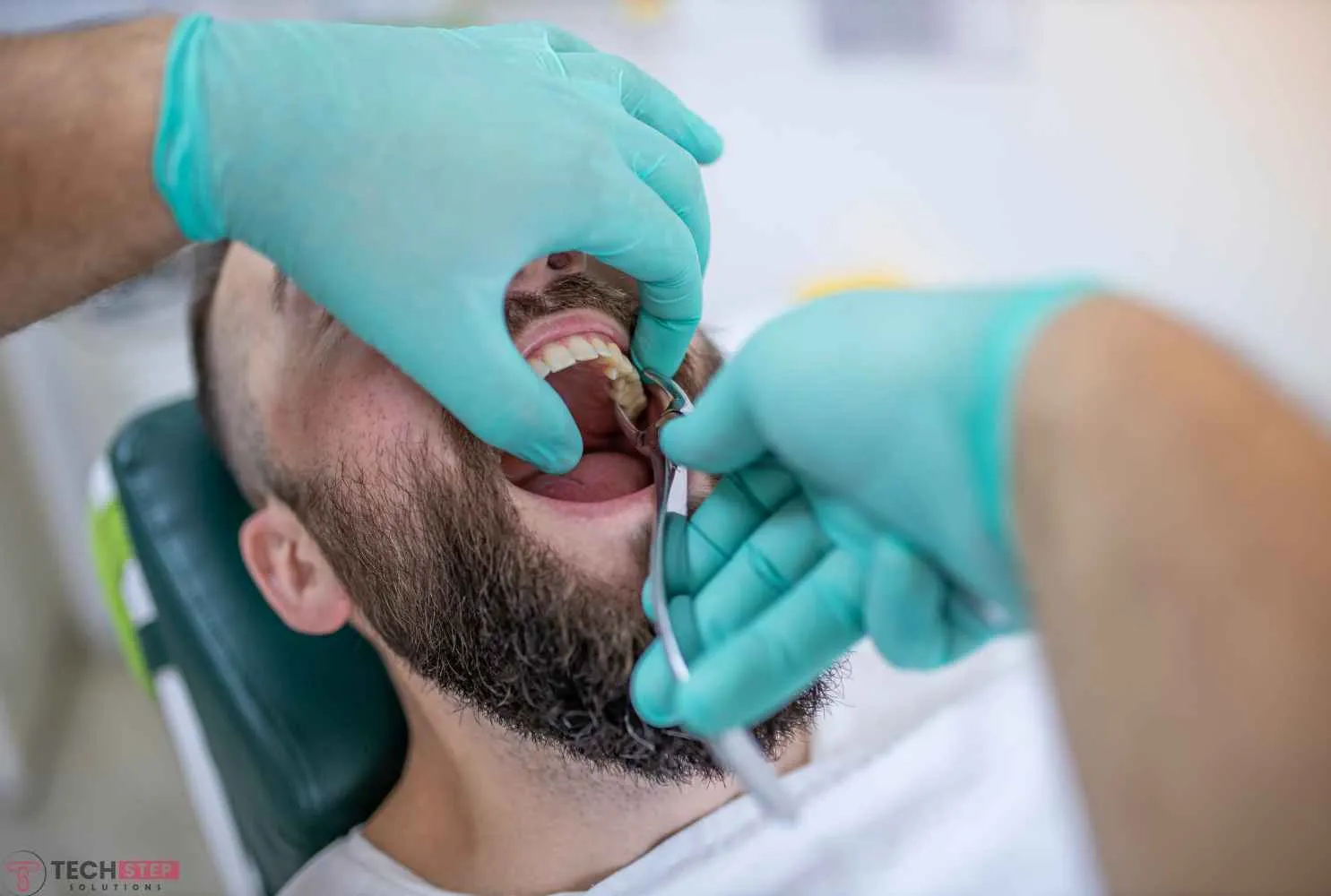
The worst day of pain after wisdom tooth extraction is often within the first two to three days, but every patient heals differently. The main sign of normal recovery is that pain and swelling gradually improve.
If discomfort becomes stronger, returns after improving, or is accompanied by signs of infection, contact Rise Dentistry for an evaluation.
MORE FROM OUR BLOG
You May Also Like