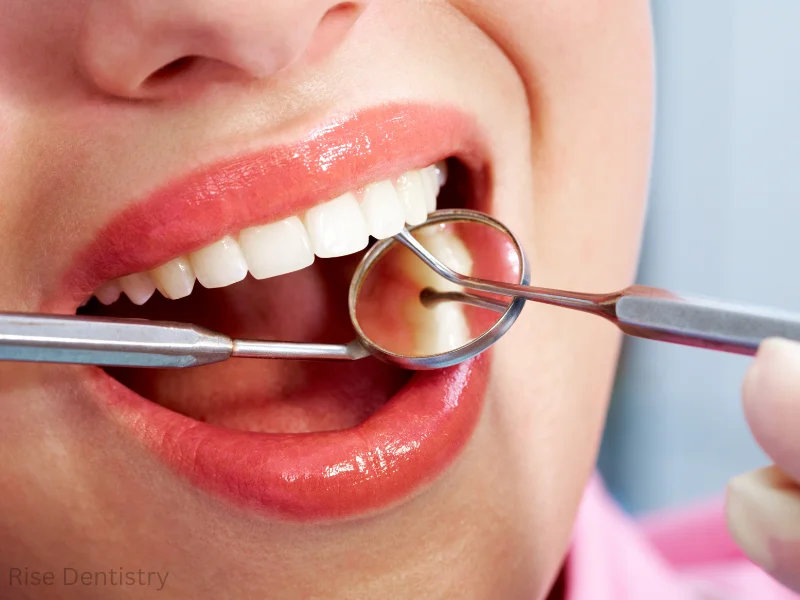
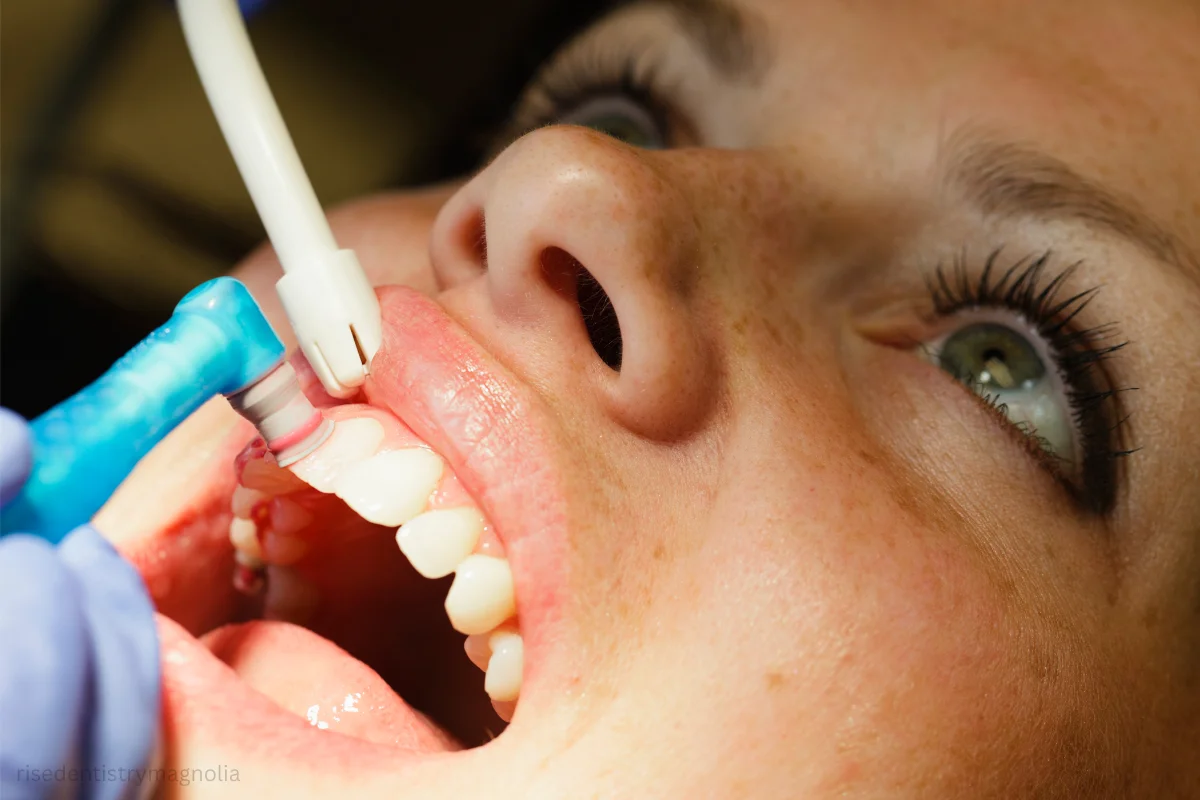
Dental cleanings typically take 30 to 60 minutes, depending on oral health. Book your appointment at Rise Dentistry today for a quick and comfortable cleaning experience!
How Long Does a Dental Cleaning Take? Quick Guide for Healthy Smiles
Many patients ask, how long does a dental cleaning take when scheduling their visit. At Rise Dentistry in Magnolia, TX, a routine dental cleaning typically takes 30 to 60 minutes, depending on your oral health and how much plaque or tartar buildup is present. For patients who keep up with regular visits, the process is usually quick, gentle, and comfortable.
Even with daily brushing and flossing, professional cleanings are essential. They remove hardened tartar along the gum line, polish your teeth, and help your dentist spot early signs of issues like cavities or gum disease before they worsen.
Visiting a trusted dentist in Magnolia every six months keeps your smile healthy, prevents bigger dental problems, and saves time on future treatments.
Average Time for Dental Cleaning Explained Clearly
The average time for dental cleaning is not as long as many expect. A routine cleaning often takes 30 to 40 minutes. When you schedule a more professional dental cleaning, the visit may last 45 to 60 minutes. This longer dental cleaning time allows for X-rays, an exam, and a complete review of your oral health. Both options are designed to keep your smile healthy while fitting into your day.
Several factors can affect how long the appointment lasts. Heavy plaque buildup or signs of gum disease may require extra attention, especially along the gum line. Patients with good oral health who brush and floss daily may finish faster, while those who delay visits often need more time. Braces, dental restorations, and even patient comfort can add to the duration. In most cases, though, your cleaning is finished in under an hour, leaving you with fresher teeth and protection against future tooth decay.
Types of Dental Cleaning and Their Timeframes
Routine Dental Cleaning
A routine dental cleaning takes 30–40 minutes. It removes plaque, polishes teeth, and keeps oral health in check for patients with healthy gums.
Dental Deep Cleaning
A dental deep cleaning or teeth deep cleaning lasts 45–60 minutes, sometimes over multiple visits. It includes scaling below the gum line and root planing.
Periodontal Cleaning
For advanced gum disease, a periodontal cleaning is needed. Sessions run longer and target infected areas to manage gum health.
Why Timing Matters
Different cleanings mean different dental cleaning times, but all protect against plaque, tooth decay, and gum problems.
Key Factors That Affect a Teeth Cleaning Appointment
Several things can change how long a cleaning takes:
Oral health condition
Heavy plaque buildup or tough stains take longer to clean compared to mild buildup.
Gum health
Patients with gum disease or periodontal issues often need a more detailed professional cleaning.
Braces or restorations
Cleaning around wires, crowns, or bridges requires extra care and time.
Patient comfort
Anxiety or sensitivity may slow down the teeth cleaning procedure.
Oral cancer screening
Quick but included in most visits, adding a few minutes to the session.
Each of these factors can extend cleaning time, making some appointments longer than others.
Step-by-Step Guide to the Teeth Cleaning Procedure
A teeth cleaning procedure follows simple steps that keep your smile healthy and fresh:
Step 1: Initial Exam
A dental hygienist checks your teeth and gums for signs of problems.
Step 2: X-rays
Taken once a year, these reveal hidden issues such as cavities, infection, or bone loss.
Step 3: Plaque and Tartar Removal
Build-up is cleared, especially along the gum line. A professional teeth cleaning may use both hand tools and ultrasonic devices.
Step 4: Polishing
A gritty paste smooths the tooth surface and removes minor stains.
Step 5: Flossing
Thorough flossing clears debris between teeth and shows the hygienist how well you care for your mouth.
Step 6: Fluoride Treatment
Quick application strengthens enamel and lowers the chance of tooth decay.
Step 7: Final Exam
A teeth cleaning dentist reviews X-rays, checks your bite, and may perform an oral cancer screening.
This complete teeth cleaning service ensures your teeth are clean, your gums are checked, and your oral health stays on track.
Benefits of Regular Dental Cleanings for Oral Health
Prevention
Lowers risk of tooth decay, gum disease, and detects oral cancer early.
Thoroughness
A professional dental cleaning reaches hidden spots along the gum line.
Freshness
A teeth cleaning service brightens your smile and improves breath.
Savings
Avoids costly treatments by catching problems sooner.
Detection
Spots early issues, supporting long-term oral health.
Regular visits keep your teeth healthier and your smile more confident.
Signs You May Need a Dental Cleaning Sooner
Persistent bad breath that doesn’t go away, often caused by plaque and bacteria buildup
Gums that bleed during brushing or flossing, which may indicate early gum disease
Visible tartar or hard deposits around teeth or along the gum line
Tooth sensitivity to hot or cold foods and drinks
A feeling of buildup or roughness on your teeth even after brushing
Scheduling a cleaning early helps prevent these issues from getting worse and protects your smile
Easy Aftercare for Strong Teeth
Avoid sticky, hard, or crunchy foods for a few hours after your cleaning, especially if fluoride was applied
Drink plenty of water to help rinse away bacteria and keep your mouth fresh
Continue brushing twice a day and flossing daily to maintain good oral health
Follow your dentist’s aftercare instructions if you experience mild sensitivity
Stay consistent with regular dental cleanings to prevent plaque buildup and keep gums healthy
FAQs
Is dental cleaning painful?
Cleanings are usually not painful. Sensitive gums may feel slight discomfort, but a teeth cleaning dentist can adjust for comfort.
How often should I get a dental cleaning?
Every six months is recommended. At a Family Dentistry office, families can schedule together. Some patients may need more frequent visits.
Does dental cleaning prevent gum disease?
Yes. A professional cleaning removes plaque along the gum line, reducing bacteria and lowering the risk of gum disease.
Will a cleaning remove all plaque and tartar?
A teeth cleaning service removes most buildup. Severe tartar may need a deep cleaning or scaling and root planing.
Can I eat immediately after a dental cleaning?
Yes. If fluoride is used, wait 30 minutes. Choose soft foods to avoid gum irritation right after.
Schedule Your Next Visit at Rise Dentistry in Magnolia, TX
Keeping up with regular dental cleaning visits makes a big difference for your smile. At Rise Dentistry in Magnolia, TX, we offer gentle care through our teeth cleaning service. Our team focuses on comfort while protecting your oral health. Consistent visits reduce the risk of gum disease, tooth decay, and other common problems.
We welcome patients of all ages through our Family Dentistry services, making it easy for your whole family to stay on track. Booking your next cleaning is simple and ensures your teeth stay strong and healthy. Call Rise Dentistry in Magnolia, TX today to schedule your appointment and enjoy the long-term benefits of regular cleanings.