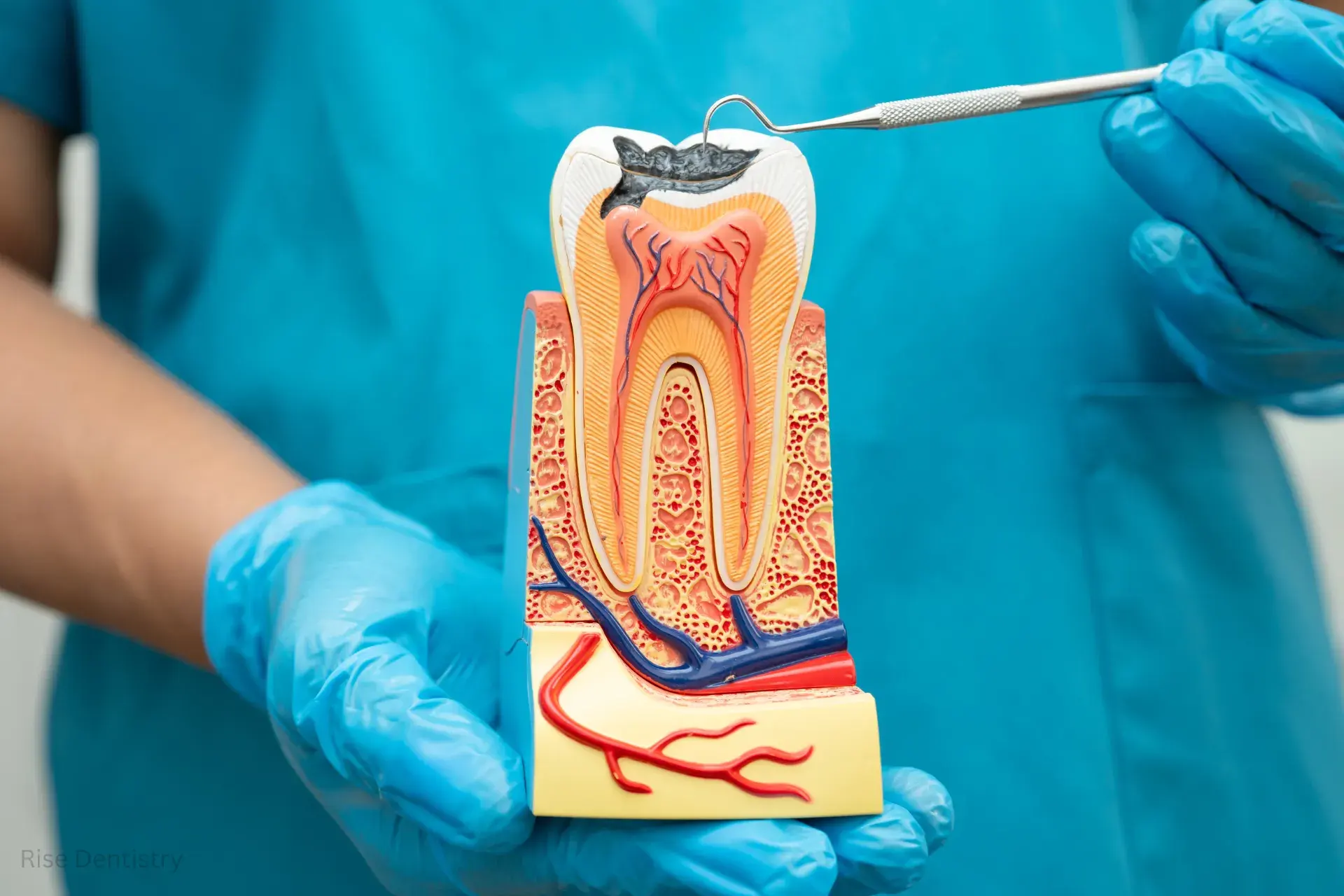

Confused about pulpotomy vs root canal? Both treatments save teeth but differ in approach. Get in touch with us to determine the best option for your dental health today!
If your child is dealing with tooth pain, you might be wondering about a pulpotomy vs. root canal. While both procedures are designed to save a tooth, they are used in different situations. A pulpotomy is commonly performed on baby teeth to remove infected pulp and stop further decay. A root canal, on the other hand, is typically recommended for permanent teeth when the pulp is severely infected or damaged. A trusted dentist in Magnolia can evaluate which treatment is most appropriate.
Both treatments focus on removing infected tissue to preserve the natural tooth and relieve discomfort. The main goal is to stop the spread of decay while maintaining proper function and oral health.
Your dentist in Magnolia will recommend the best option based on your child’s age and the condition of the tooth. Prompt treatment can help prevent tooth loss and reduce the risk of future dental complications.
A pulpotomy and a canal root are both procedures designed to treat damaged or infected teeth. Let’s look at each procedure in detail:
A pulpotomy is usually done on baby teeth to treat infection or decay. The procedure involves:
A canal root is performed on permanent teeth that are severely infected or damaged. The steps in this procedure include:
Both procedures serve to:
| Aspect | Pulpotomy | Root Canal |
|---|---|---|
|
Tooth Type |
Performed on primary (baby) teeth |
Performed on permanent (adult) teeth |
|
Extent of Treatment |
Removes infected pulp in the crown only |
Removes entire pulp, including the roots |
|
Purpose |
Preserves vital pulp and saves the tooth until it naturally falls out |
Removes all infected pulp to save the tooth and prevent further infection |
|
Materials Used |
The remaining pulp is preserved, and the space is sealed. A crown is placed. |
The space is cleaned, shaped, and filled with a rubber-like material. A crown is placed on top. |
|
Infected Pulp Removal |
Only the infected pulp in the crown is removed |
Infected pulp removal from the entire tooth, including the roots |
|
Vital Pulp Therapy |
Vital pulp therapy is used to maintain tooth vitality by preserving the healthy pulp |
Not applicable as the entire pulp, including healthy tissue, is removed |
When deciding between pulpotomy vs root canal therapy, consider the benefits and drawbacks of each treatment.
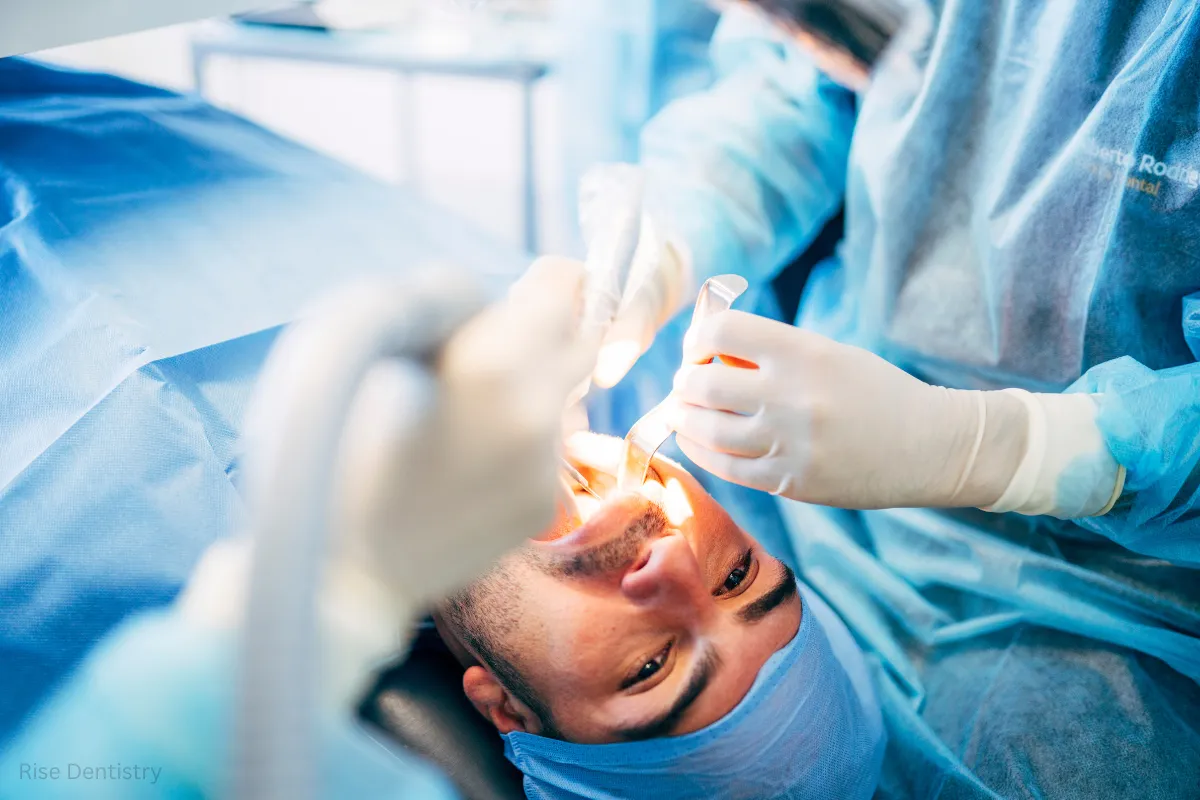
The pulpotomy cost is generally more affordable, ranging from $200 to $500. This price can vary based on location and the dentist’s office. It’s a less complex procedure, making it cheaper than a canalroot.
On the other hand, root canal cost is typically higher. The cost can range from $500 to $2,000 depending on the tooth and complexity of the procedure. Additional costs like crowns may also apply.
When comparing which is more expensive — pulpotomy or canal root , the canal root tends to be more costly due to the more detailed procedure and the follow-up care involved, such as crown placement.
Choosing the right treatment depends on your child’s age and the tooth’s condition. Here’s a breakdown:
A pulpotomy is ideal for baby teeth. It:
The pulpotomy cost is lower than a root canal, making it a cost-effective option for children.
A canal root is used for adult teeth that are severely infected. It:
A canal root is more expensive but necessary for permanent teeth.
For baby teeth, a pulpotomy is often the best choice, while a canal root is needed for adult teeth.
When it comes to pain after canal root and pain after pulpotomy, both procedures may cause some discomfort, but the experience is different.
A pulpotomy is generally less painful than a canal root . After the procedure, your child may feel some tenderness in the treated tooth. This pain typically persists for several days. Over-the-counter pain relievers are often enough to manage the pain, and recovery time is quicker.
A canal root may cause more discomfort, especially in the first few days. Since the entire pulp is removed, the procedure is more invasive. Pain after a canal root can last longer, but it can be managed with prescribed medication. Most patients feel better within a week.
Both procedures aim to preserve tooth vitality, and pain is temporary. If pain persists, it’s essential to contact your dentist.
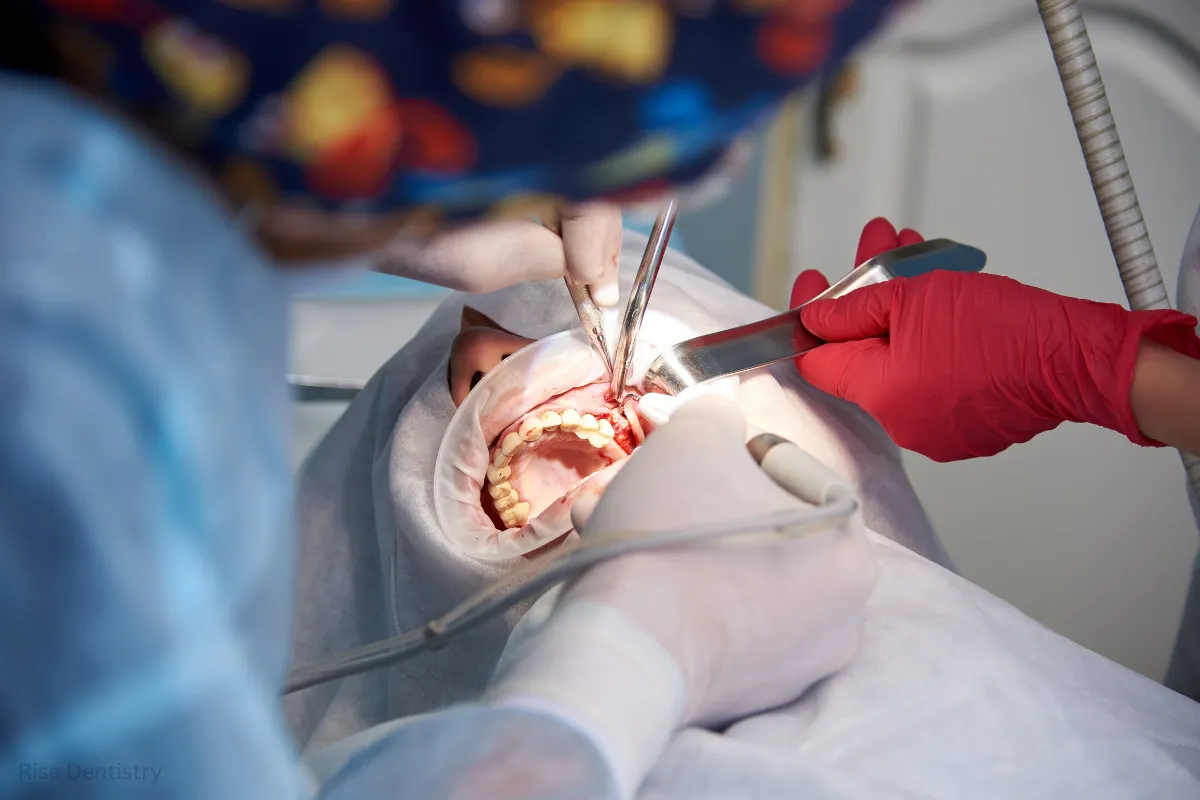
When it comes to your child’s dental health, it’s important to get the right treatment. Whether they need a pulpotomy or canal root, a professional dentist can determine the best option.
A trusted Family Dentistry provider at Rise Dentistry will assess your child’s tooth and recommend the most effective treatment. For more complex cases, pediatric endodontics specialists are available to provide expert care.
Consulting with a dentist ensures the health of your child’s teeth, helping them avoid more serious issues later on. Don’t wait for the problem to worsen—schedule a consultation today and get the care your child deserves.
It depends on the tooth. Pulpotomy is better for baby teeth, while a canal root is for permanent teeth.
A pulpotomy is needed when a baby tooth is infected. A canal root is used for adult teeth with deep infections.
Yes, if the infection spreads or the tooth becomes damaged, a canal root may be necessary.
Both treatments can last many years, but canal root teeth may last longer since they are permanent teeth.
A root canal is generally more expensive due to its complexity and the need for follow-up treatments.

Choosing the right treatment between pulpotomy vs root canal depends on the tooth’s condition and your child’s age. A pulpotomy is ideal for baby teeth with infection, as it preserves tooth vitality and prevents further damage.
For permanent teeth, a root canal is necessary. It removes the infected pulp and saves the tooth for the long term.
Both procedures are crucial in dental infection control, preventing tooth loss. Always consult with Rise Dentistry to determine the best treatment for your child’s dental health, ensuring the most effective solution for a healthy, lasting smile. If you need more information on Root Canal Treatment, reach out to us for expert guidance.


EXCELLENTTrustindex verifies that the original source of the review is Google. "For years, I avoided the dentist due to my anxiety. Dr. Hassan sorathia and their team completely changed my perspective. The office has such a calming atmosphere, and the staff is compassionate and understanding. They explained every step of my treatment and made sure I was comfortable. I'm so grateful I found them and can now take care of my teeth without fear."Posted onTrustindex verifies that the original source of the review is Google. Rise was amazing! They extracted a wisdom tooth from me and the experience was completely pain free. Thank you so much!Posted onTrustindex verifies that the original source of the review is Google. I’m so grateful I found Dr. Sorathia and his wonderful staff at Rise Dentistry! From the moment I called, his office was incredibly accommodating and got me in immediately. He was professional, kind, and patient, and he truly understood my dental anxiety. I never felt rushed or pressured and he welcomed all my questions and explained each step of the process so I always knew what was happening. He made sure I understood all of my options, allowing me to make the most informed decision for my care. I left feeling comfortable, informed, and confident about my treatment. I will absolutely be returning to Dr. Sorathia and highly recommend him to anyone looking for a compassionate and thorough dentist.Posted onTrustindex verifies that the original source of the review is Google. I’m so glad I found this office! Staff is so kind and professional. They keep your comfort at the top of their priority list. Wish I had found them sooner! Can’t recommend this dentist enough!Posted onTrustindex verifies that the original source of the review is Google. Excellent Staff and Dr Sorathia very knowledgeable pleasant ambiance !Posted onTrustindex verifies that the original source of the review is Google. Had a great experience, no wait time, in and out. Everyone was friendly, informative and professional.Posted onTrustindex verifies that the original source of the review is Google. So refreshing to meet an HONEST dentist who isn’t trying to upsell you anything. Just tells you the facts doesn’t try to sway your opinion, just lays out the options based on facts and allows you to choose for yourself what works best for you. I definitely highly recommend!Posted onTrustindex verifies that the original source of the review is Google. Fantastic service! Had a bad tooth that was absolutely killing me for several days. I load going to the dentist so I don’t have a normal one. Set the appointment in the morning and got in that same day. The dentist explained saving versus extracting the tooth and 35 minutes later I was going home. He was extremely thorough and telling me what he was going to do and with the post office instructions. The staff both out front and his assistants were fantastic!! absolutely could not have asked for a better experience and he will be my dentist going forward.

 .
.