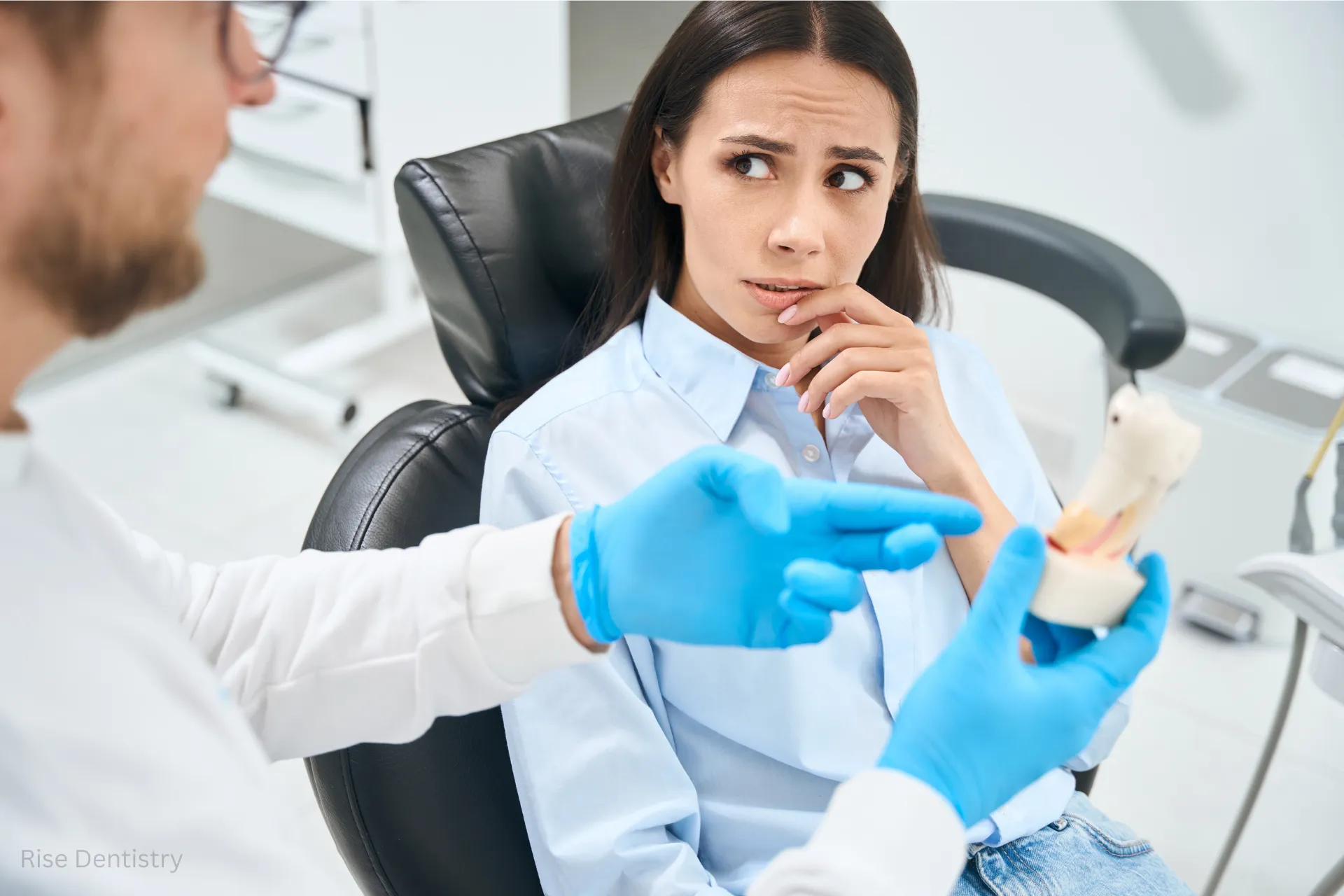

Worried about pain during a tooth extraction? Our gentle approach ensures minimal discomfort with effective pain management. Learn more and schedule a consultation today!
Is tooth extraction painful? It may seem scary, but it’s a routine procedure many people need. Whether due to severe decay, gum disease, or impacted teeth, removal is often the best solution. A trusted dentist in Magnolia can determine the right treatment for your oral health.
Worried about pain? Modern techniques make extractions comfortable. Local anesthesia fully numbs the area, and sedation is available for anxious patients. An experienced dentist in Magnolia ensures the procedure is smooth and stress-free.
Afterward, mild tooth extraction discomfort or soreness is normal. These symptoms are temporary and manageable with proper care. Most people feel back to normal within a few days.

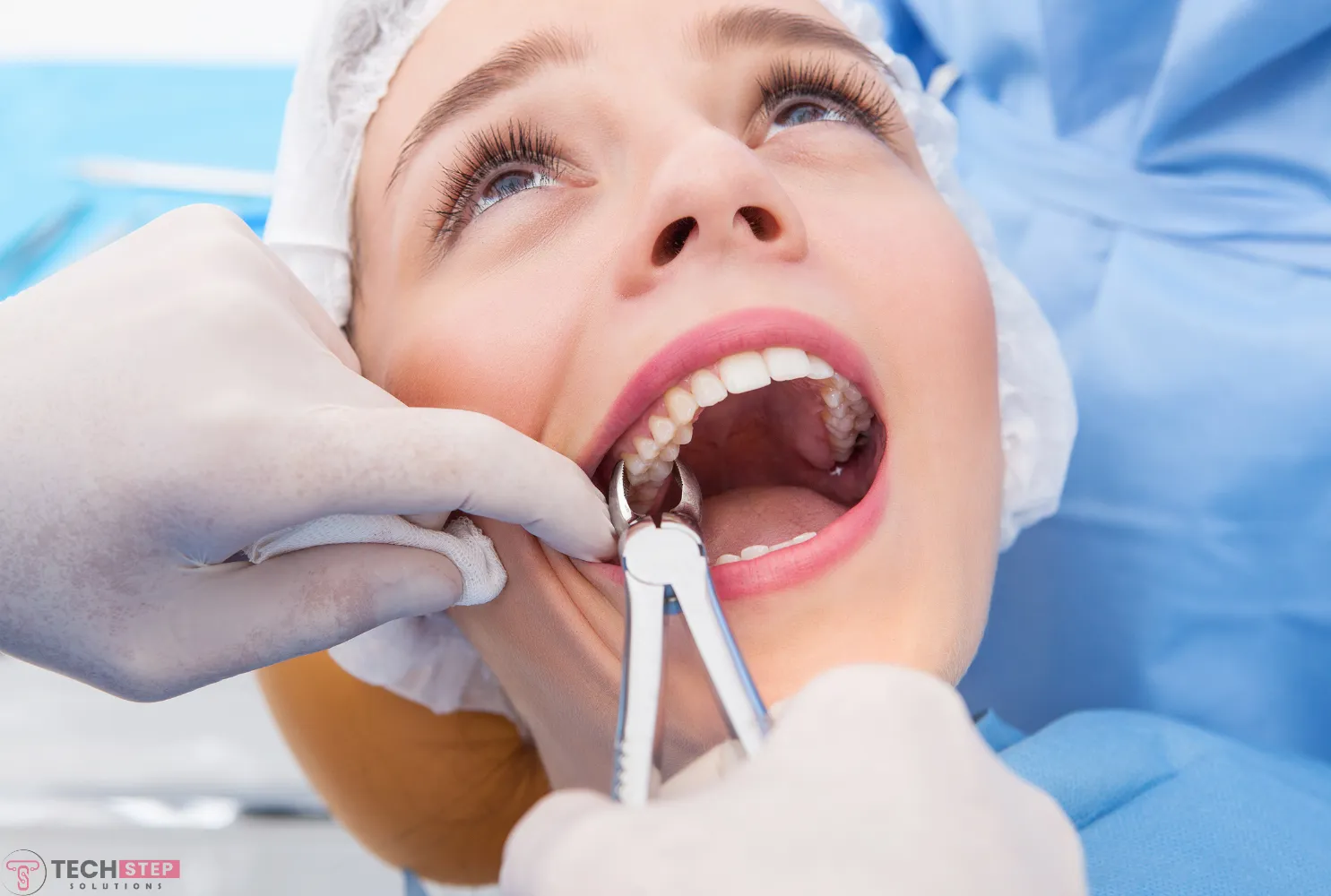
Modern dentistry ensures minimal discomfort during an extraction. Your dentist will use local anesthesia to numb the area, so you won’t feel pain during the procedure. For those with anxiety, sedation options like laughing gas or oral sedatives can help you relax.
After the extraction, you may experience molar pulled pain or tooth pulled pain, but this is normal and usually temporary. Pain after teeth removal typically lessens within a few days.
The extraction procedure pain level can vary based on the complexity of the tooth removal. However, pain relievers can manage any discomfort and speed up recovery.
Extractions are generally painless due to modern anesthesia methods. The type of anesthesia during tooth removal used depends on the procedure and your comfort level:
Local anesthesia targets the area around the tooth, ensuring you don’t feel any pain during the procedure. You stay awake, but feel no pain during the procedure. This is perfect for simple extractions.
For patients with anxiety, sedation anesthesia helps you relax. Nitrous oxide (laughing gas) is commonly used, allowing you to stay awake while feeling calm and comfortable.
For complex extractions, such as wisdom teeth removal or other surgical tooth extraction pain, general anesthesia is used. This puts you to sleep, ensuring you feel no discomfort.
Your dentist will choose the best option based on your specific needs and the complexity of the extraction.
After an extraction, some discomfort is normal. Here’s what you can expect during your recovery:
You may experience soreness after tooth pulled and throbbing pain around the extraction site. This pain usually lasts for a few days, with the most discomfort felt in the first 48 hours.
Tooth extraction pain afterwards can be managed with pain relievers. Though some discomfort is expected, it will gradually ease as your mouth heals.
If the extraction was near your cheeks, you might feel that your cheek hurts after tooth extraction. Swelling around the site can cause discomfort in the surrounding areas.
While toothache after removal is normal, no pain after tooth extraction is unrealistic. The pain is expected to lessen and become more manageable within a few days.
Day 3 is typically the worst for most patients after an extraction. The pain tends to peak due to swelling and inflammation, which are at their highest point during this time. The body’s healing process causes increased discomfort, but this usually improves as the days go on.
Experiencing extreme pain after an extraction is not common, but it can happen. If the pain is more intense than expected, or lasts longer than usual, it could indicate a complication. Here’s what you should know:
If the pain becomes unbearable or doesn’t subside after a few days, contact your dentist. Bad pain after tooth extraction that persists could be a sign of infection or dry socket, requiring immediate attention.
When a tooth is beyond repair due to severe decay or damage, extraction may be the only option to prevent infection and protect surrounding teeth.
If gum disease is left untreated, it can cause infections and tooth loss. Extracting the affected tooth prevents the spread of infection.
Impacted teeth, like wisdom teeth, can cause pain, swelling, and infection. Extraction eliminates these issues and improves dental health.
Timely extraction prevents infection from spreading and reduces chronic pain, protecting other teeth and improving oral health. With proper care, dental extraction pain tolerance improves quickly, and recovery is manageable.
After an extraction, some discomfort is normal. However, certain signs may indicate a complication that needs attention.
If you experience excessive pain that doesn’t improve with pain relievers or worsens after a few days, call your dentist. This could be a sign of a condition like dry socket.
Swelling is common, but if it becomes extreme or lasts more than a few days, it may signal an infection.
A fever above 100.4°F (38°C) or drainage of pus from the extraction site are signs of infection and require immediate care.
If your tooth extraction involved wisdom teeth or was more complex, extra care is needed. Always follow up with your dentist to ensure proper healing and avoid complications.
Here are some common questions about tooth extraction pain:
It's possible to feel nauseous after the procedure, especially if you were sedated. However, this should pass within a few hours.
Yes, many patients experience the most pain and swelling around Day 3, when inflammation peaks.
Over-the-counter painkillers like ibuprofen or those prescribed by your dentist can manage pain.
Antibiotics may be prescribed to prevent infection, especially after complex extractions or wisdom teeth removal.
Pain varies, but it’s manageable with medication and usually decreases after a few days.

Tooth extraction pain is typically temporary and manageable. By following your dentist’s aftercare instructions, you can reduce swelling and discomfort. Pain relievers and cold compresses can help during the first few days.
With proper anesthesia during the procedure, pain should be minimal. After the extraction, some discomfort is normal but can be managed with prescribed medications and home remedies, like salt water rinses.
Remember, the pain will subside as the swelling goes down. If you have concerns or need personalized advice, Rise Dentistry, your trusted Family Dentistry provider, is here to help. We’re committed to ensuring your recovery is as comfortable and smooth as possible.

EXCELLENTTrustindex verifies that the original source of the review is Google. "For years, I avoided the dentist due to my anxiety. Dr. Hassan sorathia and their team completely changed my perspective. The office has such a calming atmosphere, and the staff is compassionate and understanding. They explained every step of my treatment and made sure I was comfortable. I'm so grateful I found them and can now take care of my teeth without fear."Posted onTrustindex verifies that the original source of the review is Google. Rise was amazing! They extracted a wisdom tooth from me and the experience was completely pain free. Thank you so much!Posted onTrustindex verifies that the original source of the review is Google. I’m so grateful I found Dr. Sorathia and his wonderful staff at Rise Dentistry! From the moment I called, his office was incredibly accommodating and got me in immediately. He was professional, kind, and patient, and he truly understood my dental anxiety. I never felt rushed or pressured and he welcomed all my questions and explained each step of the process so I always knew what was happening. He made sure I understood all of my options, allowing me to make the most informed decision for my care. I left feeling comfortable, informed, and confident about my treatment. I will absolutely be returning to Dr. Sorathia and highly recommend him to anyone looking for a compassionate and thorough dentist.Posted onTrustindex verifies that the original source of the review is Google. I’m so glad I found this office! Staff is so kind and professional. They keep your comfort at the top of their priority list. Wish I had found them sooner! Can’t recommend this dentist enough!Posted onTrustindex verifies that the original source of the review is Google. Excellent Staff and Dr Sorathia very knowledgeable pleasant ambiance !Posted onTrustindex verifies that the original source of the review is Google. Had a great experience, no wait time, in and out. Everyone was friendly, informative and professional.Posted onTrustindex verifies that the original source of the review is Google. So refreshing to meet an HONEST dentist who isn’t trying to upsell you anything. Just tells you the facts doesn’t try to sway your opinion, just lays out the options based on facts and allows you to choose for yourself what works best for you. I definitely highly recommend!Posted onTrustindex verifies that the original source of the review is Google. Fantastic service! Had a bad tooth that was absolutely killing me for several days. I load going to the dentist so I don’t have a normal one. Set the appointment in the morning and got in that same day. The dentist explained saving versus extracting the tooth and 35 minutes later I was going home. He was extremely thorough and telling me what he was going to do and with the post office instructions. The staff both out front and his assistants were fantastic!! absolutely could not have asked for a better experience and he will be my dentist going forward.

 .
.