
Discover the longevity of tooth crowns and how to care for them at Rise Dentistry. Book your consultation today for durable, lasting results!
Wondering how long does a tooth crown last? The lifespan of a dental crown depends on various factors, including the material used and the condition of the underlying tooth. Crowns made of porcelain or ceramic can last around 10-15 years, while metal crowns may last longer.
Good care and habits play a vital role in extending the crown’s longevity. Regular oral hygiene, including brushing, flossing, and routine dental visits, can significantly enhance the crown’s durability. If the crown fits well and the natural tooth beneath remains healthy, it can stay stable and functional for many years.
For personalized advice on dental crowns, consult a dentist in Magnolia to ensure proper care and maintenance for a lasting result.

Dentists recommend capping teeth when a tooth becomes too weak to hold a filling. A crown protects the entire tooth and restores normal function. It covers the damaged structure completely and helps you chew with comfort. This full coverage prevents further cracks and stops small issues from becoming bigger problems.
Crowns are often suggested for teeth with deep decay or large fractures. Dentists also use them after root canal treatment to protect the weakened area. Sometimes a crown helps support a bridge or improves the natural appearance of a worn tooth.
The condition of the natural tooth under the crown plays a major role in how long it lasts. A healthy base gives better strength and stability. Your oral hygiene routine also influences the dental crown lifespan. Good habits help prevent decay around the crown edges. This keeps the crown secure and allows it to function well for many years.
Crown materials affect how long your restoration remains strong and functional. Each type offers unique strength, durability, and appearance. Your dentist chooses a crown material based on your tooth’s condition, bite, and cosmetic goals. Some materials focus on toughness, while others prioritize a natural appearance. Knowing the differences helps ensure better dental crown longevity.
Ceramic and porcelain crowns look natural and blend well with teeth. They need careful tooth prep for crown. With proper care, they last 5–15 years. Their smooth surface and shape make them ideal for front teeth.
Metal crowns are very strong and rarely chip. They can last 20–30 years, especially on back teeth. Their durability makes them a top choice for chewing-heavy areas.
Zirconia crowns resist cracks and wear. They can last 15 years or more, offering high resistance and long-term reliability for any tooth.
A temporary crown protects the tooth for a short period. Its temporary crown lifespan is usually a few weeks. It shields the underlying tooth until the permanent crown is ready.
When deciding between veneers and crowns, it’s important to understand their differences in coverage, strength, and durability. Each option serves a specific purpose depending on your tooth’s condition and cosmetic needs.
| Feature | Veneers — Cosmetic Enhancement | Crowns — Full Coverage & Protection |
|---|---|---|
|
Coverage |
Covers only the front surface of a tooth |
Covers the entire tooth, providing complete protection |
|
Thickness |
Thinner than crowns, mainly for appearance |
Thicker design offers greater strength and durability |
|
Purpose |
Ideal for correcting color, shape, or minor chips |
Ideal for teeth with large decay, cracks, or weakness |
|
Durability |
Less durable, may need replacement sooner |
Can last many years with proper care |
|
Suitability / Support |
Suitable when the underlying tooth is healthy and strong |
Provides long-term support and helps maintain dental crown life expectancy |
Knowing how long does a tooth crown last helps, but some crowns need replacement sooner. Regular checkups can catch problems early. Crowns may fail due to wear, damage, or underlying tooth issues. Watching for warning signs prevents bigger dental problems.
Early recognition keeps your natural tooth healthy and ensures the crown continues to function well.
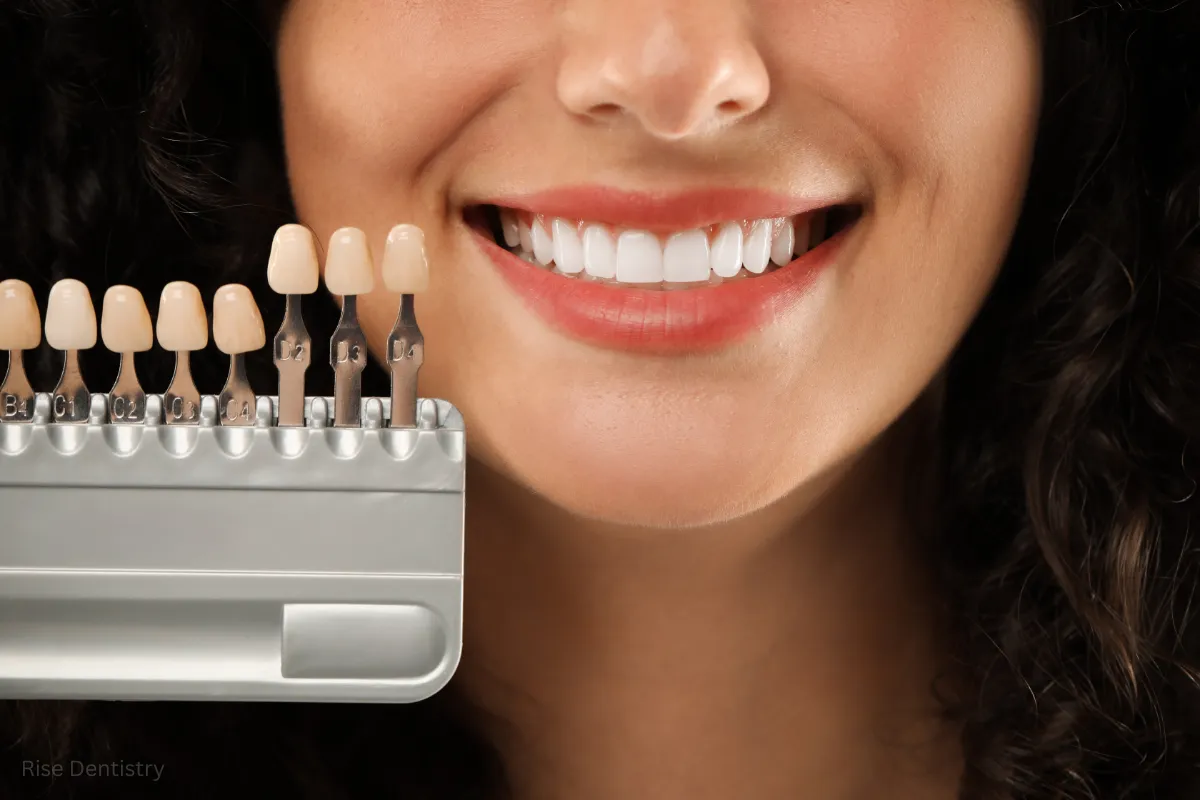
Good oral hygiene is essential for crown longevity. Brushing twice daily, flossing once a day, and regular dental checkups prevent decay around the crown.
Habits like Bruxism, grinding, or clenching can wear down a crown quickly. Using a night guard and avoiding hard objects protects the crown. Stress can also worsen these habits.
The health of the underlying tooth affects durability. Strong teeth support the crown better. Limiting sugary foods and acidic drinks further helps the crown last longer and protects your natural tooth.

After crown care, getting a crown is essential to ensure it lasts as long as possible. Simple daily habits and regular check-ups can make a big difference in protecting both the crown and the underlying tooth.
Yes, crowns may need replacement over time due to wear, damage, or decay affecting the underlying tooth.
Signs include pain, sensitivity, loose fit, cracks, chips, or gaps that let food and bacteria in.
With proper care, strong oral hygiene, and regular dental visits, some crowns can last many decades.
Costs vary depending on the material, complexity, and dentist. Your dentist can provide a personalized estimate.
Crowns are designed to be long-lasting but are not permanent. They may need replacement after years of use.
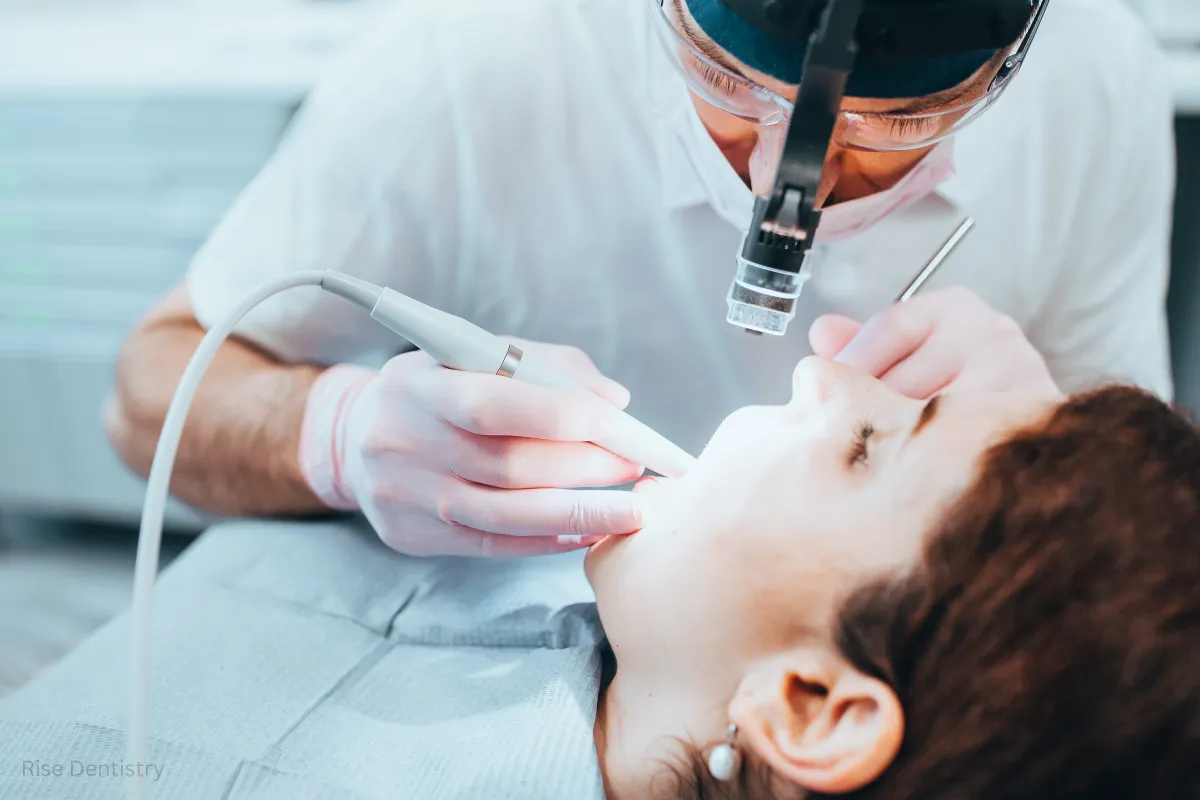
A new crown can last 10–15 years, sometimes 20 years or even 30 years, depending on care and habits. Good oral hygiene, avoiding hard foods, and regular dental visits are essential for maintaining durability and protecting the underlying tooth. Early attention to chips, cracks, or looseness can prevent bigger dental issues.
At Rise Dentistry, we provide expert Cosmetic Dentistry services to help patients extend the life of their Tooth Crown. Our team guides proper cleaning, routine check-ups, and timely replacements when needed. Caring for your Tooth Crown ensures long-term oral health and preserves your natural tooth. Consistent care allows your restoration to remain functional, comfortable, and aesthetically pleasing for many years.
EXCELLENTTrustindex verifies that the original source of the review is Google. "For years, I avoided the dentist due to my anxiety. Dr. Hassan sorathia and their team completely changed my perspective. The office has such a calming atmosphere, and the staff is compassionate and understanding. They explained every step of my treatment and made sure I was comfortable. I'm so grateful I found them and can now take care of my teeth without fear."Posted onTrustindex verifies that the original source of the review is Google. Rise was amazing! They extracted a wisdom tooth from me and the experience was completely pain free. Thank you so much!Posted onTrustindex verifies that the original source of the review is Google. I’m so grateful I found Dr. Sorathia and his wonderful staff at Rise Dentistry! From the moment I called, his office was incredibly accommodating and got me in immediately. He was professional, kind, and patient, and he truly understood my dental anxiety. I never felt rushed or pressured and he welcomed all my questions and explained each step of the process so I always knew what was happening. He made sure I understood all of my options, allowing me to make the most informed decision for my care. I left feeling comfortable, informed, and confident about my treatment. I will absolutely be returning to Dr. Sorathia and highly recommend him to anyone looking for a compassionate and thorough dentist.Posted onTrustindex verifies that the original source of the review is Google. I’m so glad I found this office! Staff is so kind and professional. They keep your comfort at the top of their priority list. Wish I had found them sooner! Can’t recommend this dentist enough!Posted onTrustindex verifies that the original source of the review is Google. Excellent Staff and Dr Sorathia very knowledgeable pleasant ambiance !Posted onTrustindex verifies that the original source of the review is Google. Had a great experience, no wait time, in and out. Everyone was friendly, informative and professional.Posted onTrustindex verifies that the original source of the review is Google. So refreshing to meet an HONEST dentist who isn’t trying to upsell you anything. Just tells you the facts doesn’t try to sway your opinion, just lays out the options based on facts and allows you to choose for yourself what works best for you. I definitely highly recommend!Posted onTrustindex verifies that the original source of the review is Google. Fantastic service! Had a bad tooth that was absolutely killing me for several days. I load going to the dentist so I don’t have a normal one. Set the appointment in the morning and got in that same day. The dentist explained saving versus extracting the tooth and 35 minutes later I was going home. He was extremely thorough and telling me what he was going to do and with the post office instructions. The staff both out front and his assistants were fantastic!! absolutely could not have asked for a better experience and he will be my dentist going forward.

 .
.