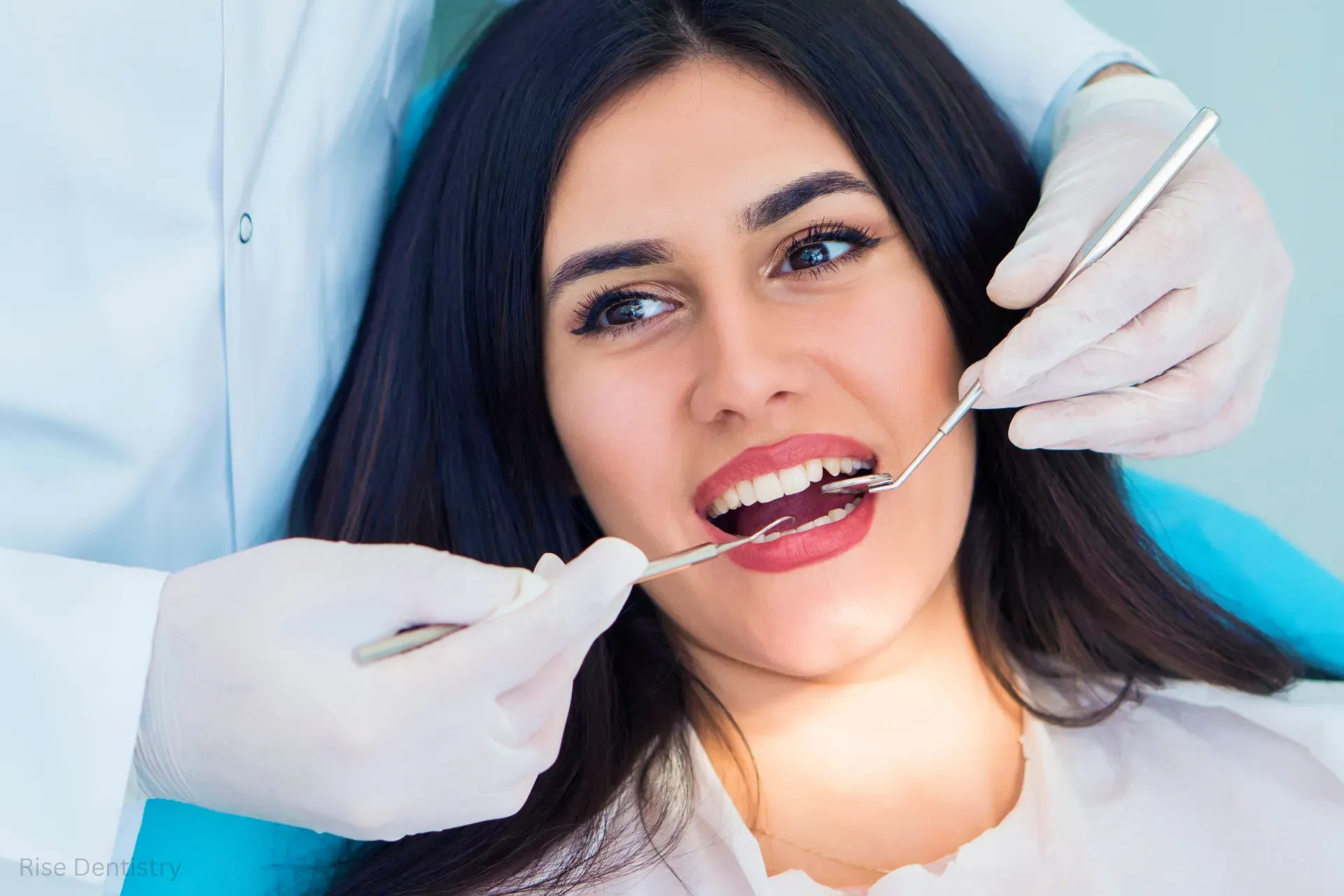

A dental bridge typically lasts 5 to 15 years, depending on materials and care. Schedule a consultation at Rise Dentistry to learn more about maintaining your bridge’s longevity.
Wondering how long does a dental bridge last? The lifespan of a dental bridge varies depending on the type of restoration, the condition of your supporting teeth, and your oral hygiene habits. On average, a dental bridge can last anywhere from 5 to 15 years with proper care.
Good oral hygiene, including regular brushing, flossing, and routine dental checkups, is crucial to prolonging the life of your dental bridge. Maintaining healthy supporting teeth also plays a significant role in the longevity of the restoration.
For personalized advice and expert care, visit a dentist in Magnolia to ensure your dental bridge stays strong and functional for years to come.
A restoration can last for many years, but several key factors determine how long it stays strong and functional.
Your abutment teeth anchor the bridge. If these teeth weaken due to decay or gum disease, the bridge becomes less stable and may fail sooner.
Bridge materials affect durability:
Shorter bridges last longer, while long span bridge dental designs experience more bite pressure and may wear faster.
Good hygiene, avoiding hard foods, and regular checkups significantly extend your bridge’s lifespan.
The type of bridge you receive has a significant influence on the expected lifespan:
Uses crowns placed over healthy teeth. Durable and long-lasting, especially when supporting a single missing tooth. Ideal for strong abutments.
Anchored on one tooth instead of two. While effective for specific cases, it may not last as long as a traditional bridge due to uneven pressure.
It features metal or porcelain supports that are attached to the back surfaces of nearby teeth. Best for front teeth where bite force is weaker.
Supported by dental implants instead of natural teeth, providing the highest level of stability and the best fixed dental bridge lifespan. This option can often last far longer than tooth-supported designs.
Choosing the right bridge helps maximize durability and minimize complications.
The dental bridge process time begins with preparing the abutment teeth or placing implants. Abutment teeth are reshaped for crowns, while implant cases involve a brief surgical procedure.
After preparation, impressions are taken to create a bridge that fits your bite and restores natural function.
For traditional and cantilever bridges, the dental bridge recovery time is short. Most patients resume normal function within days, with mild sensitivity as the mouth adjusts.
Implant-supported bridges require longer dental bridge healing time because implants must fuse with the jawbone — a process that can take several months but provides excellent long-term stability.
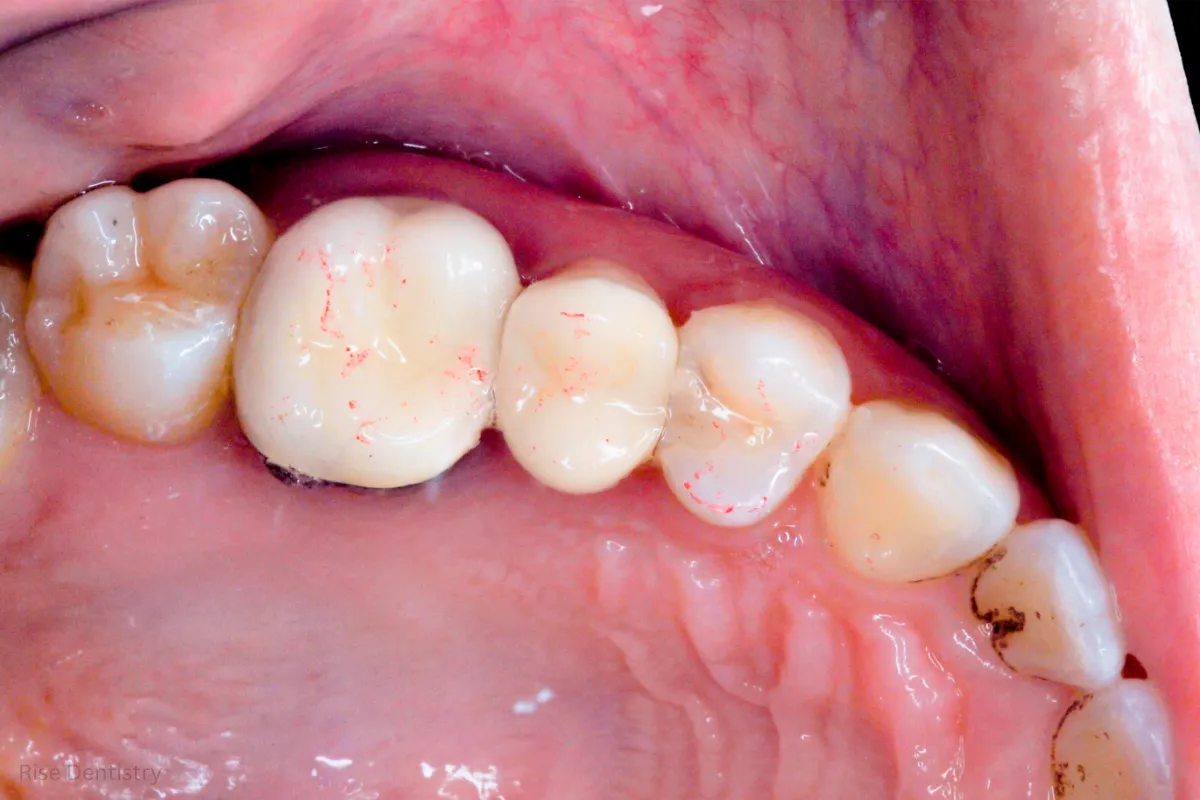
Practicing good tooth bridge care is essential for maintaining a dental bridge and helping it last as long as possible. To maximize longevity, make sure to follow these care tips:
Consistent maintenance and regular dental checkups greatly reduce the chances of damage and keep your bridge strong, functional, and comfortable for years.
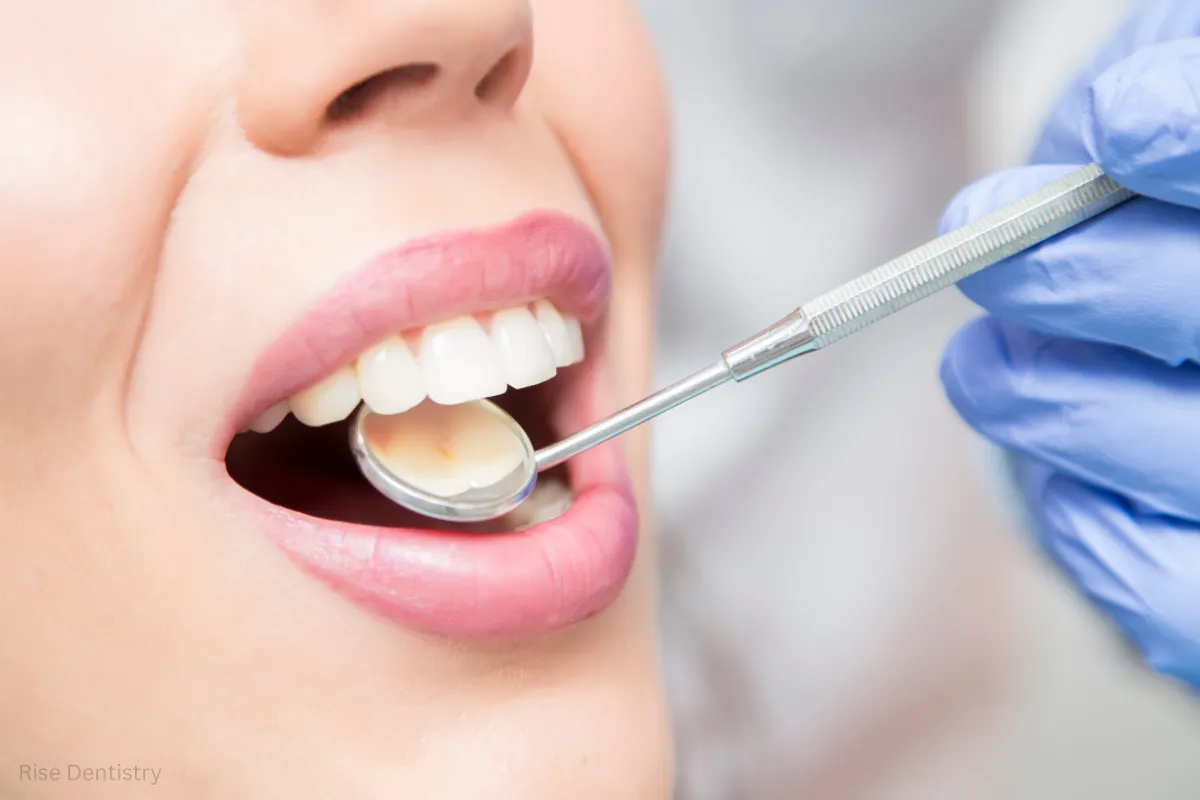
While dental bridges are durable, several factors can affect how long they last. The most common causes of failure include:
In many cases, early detection prevents failure. If you notice chips, mobility, or discomfort, bridge repair teeth treatment may help avoid complete replacement.
Both bridges and implants restore function and appearance, but their longevity differs. Traditional bridges rely on natural teeth as anchors, so their lifespan depends on the health of those supporting teeth. If the abutment teeth weaken over time, the fixed dental bridge lifespan may shorten, affecting the long-term timeline of how long the restoration lasts.
Dental implants, on the other hand, fuse directly to the jawbone and provide stability similar to natural tooth roots. For this reason, implant-supported bridges often last significantly longer than traditional options. They also reduce strain on healthy teeth and help prevent bone loss.
Overall, implants generally offer greater durability and long-term support, while bridges remain a reliable, affordable, and effective solution for many patients.
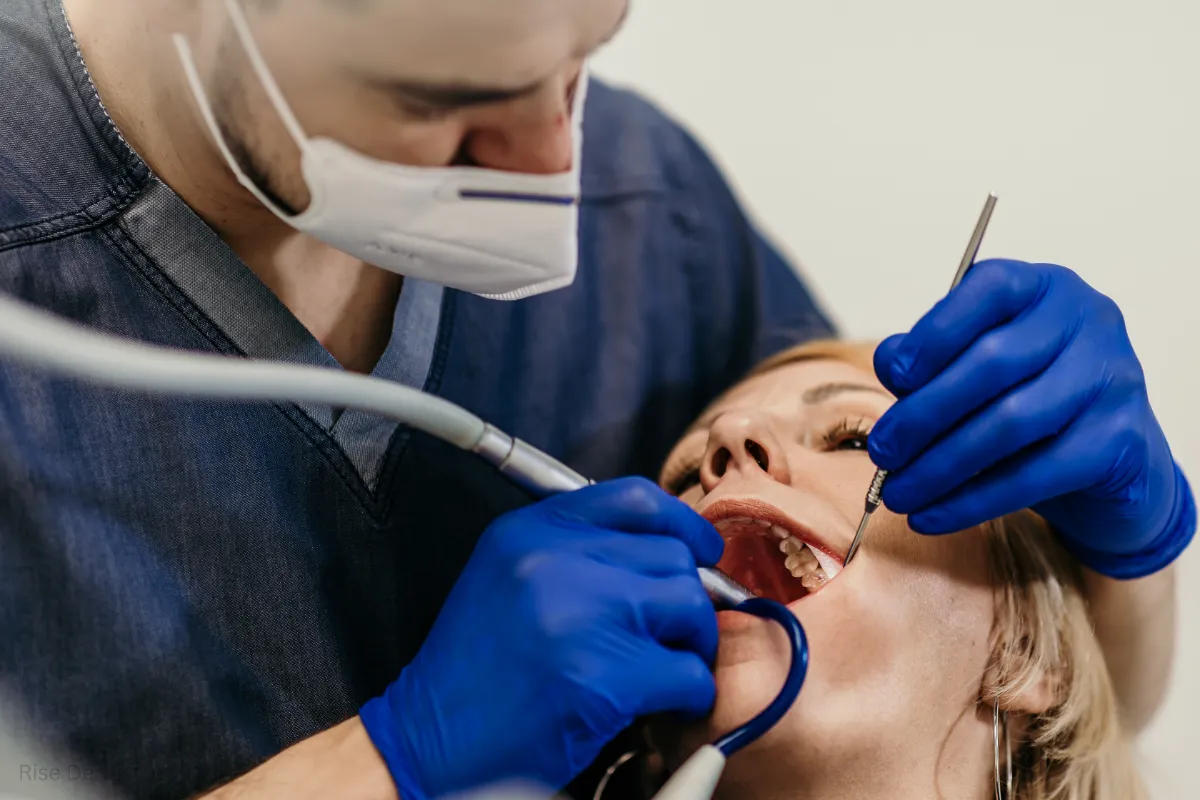
Bridges can last many years, but they are not permanent. You might require repairs or a replacement if you observe any of the following:
If you experience these symptoms, schedule a visit with Rise Dentistry. Early intervention can save the bridge — and protect your surrounding teeth.
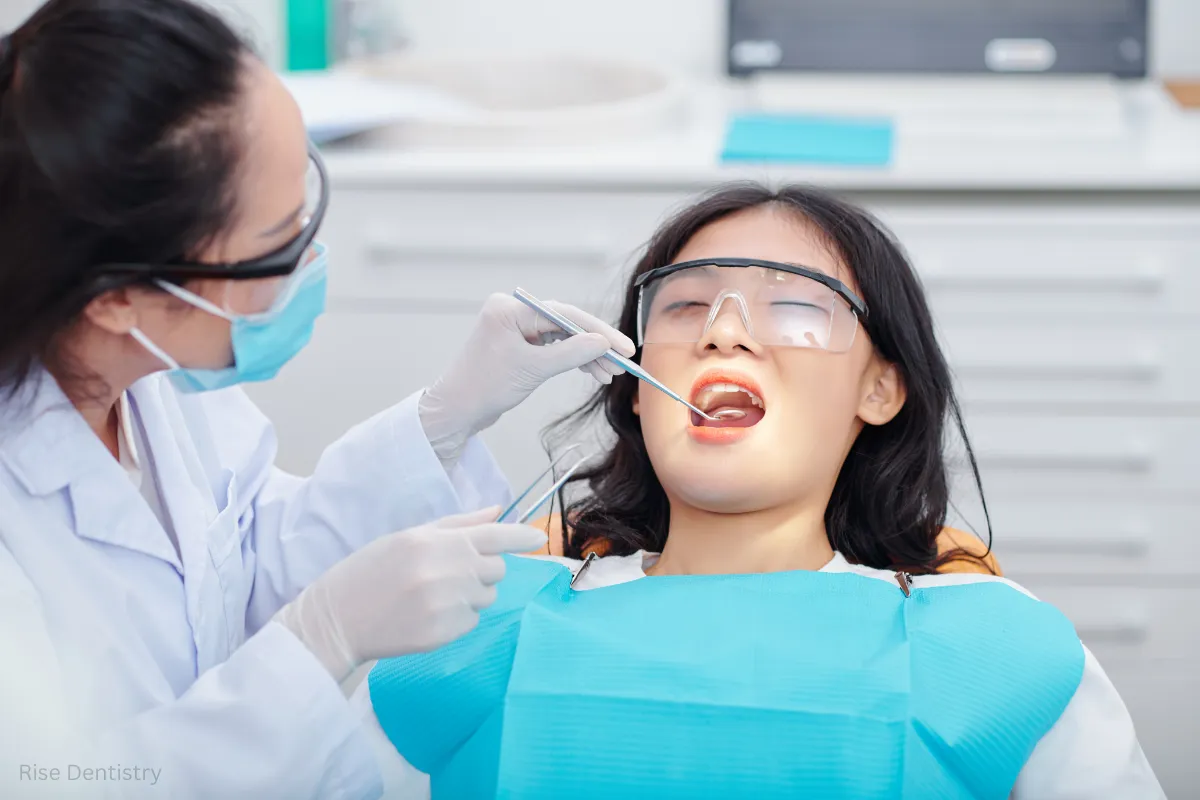
Most dental bridges last 5 to 15 years, depending on the type of restoration, daily habits, and your oral hygiene routine. Strong abutment teeth, high-quality materials, and consistent care play a major role in extending the overall longevity of your restoration.
Some patients may need replacement sooner if decay, gum disease, or wear develops around the bridge. Others enjoy decades of comfortable function with proper maintenance and routine checkups.
During your visits, your dentist will check your fixed dental bridge lifespan and determine whether repair or full replacement is needed to keep your smile healthy and supported.
Most bridges last between 5 and 15 years, though some can last 20 years or more with excellent care.
On average, every 10–15 years. Replacement depends on wear, decay, and the health of the abutment teeth.
Decay under the crowns, gum disease, or fractures in the restoration.
Yes, although rare. With exceptional tooth bridge care and strong oral hygiene, some bridges can last several decades.
Implants generally last longer and offer stronger support, but bridges remain an effective and reliable option for many patients.
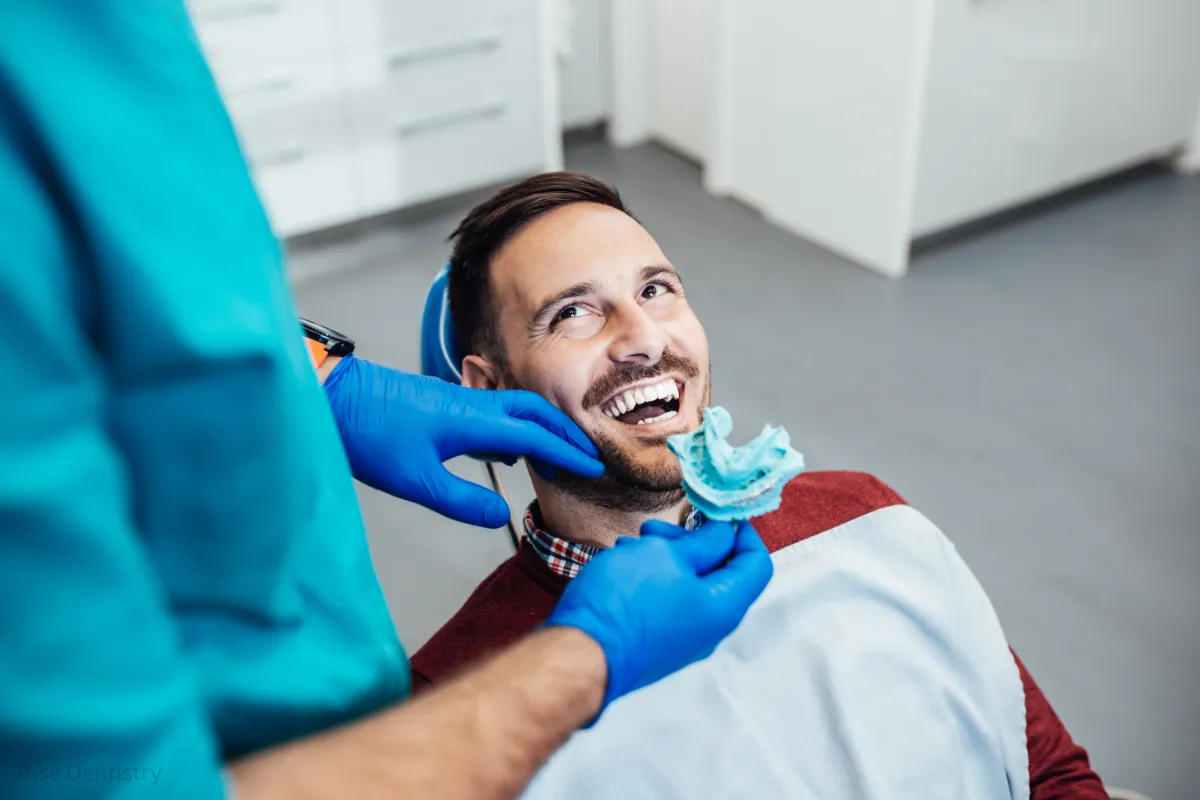
If you’re missing one or more teeth, a Dental Bridge can restore function, confidence, and your natural bite. Many patients ask how long does a dental bridge last, and with proper care and expert placement, it can provide long-lasting strength and durability.
Our team combines modern technology with patient-centered care to ensure your restoration feels comfortable and looks beautifully aligned with your smile. We also guide you through additional options in Cosmetic Dentistry to support your overall oral health goals.
Schedule a consultation today and let our experts help you achieve a healthier, more confident smile that lasts.

EXCELLENTTrustindex verifies that the original source of the review is Google. "For years, I avoided the dentist due to my anxiety. Dr. Hassan sorathia and their team completely changed my perspective. The office has such a calming atmosphere, and the staff is compassionate and understanding. They explained every step of my treatment and made sure I was comfortable. I'm so grateful I found them and can now take care of my teeth without fear."Posted onTrustindex verifies that the original source of the review is Google. Rise was amazing! They extracted a wisdom tooth from me and the experience was completely pain free. Thank you so much!Posted onTrustindex verifies that the original source of the review is Google. I’m so grateful I found Dr. Sorathia and his wonderful staff at Rise Dentistry! From the moment I called, his office was incredibly accommodating and got me in immediately. He was professional, kind, and patient, and he truly understood my dental anxiety. I never felt rushed or pressured and he welcomed all my questions and explained each step of the process so I always knew what was happening. He made sure I understood all of my options, allowing me to make the most informed decision for my care. I left feeling comfortable, informed, and confident about my treatment. I will absolutely be returning to Dr. Sorathia and highly recommend him to anyone looking for a compassionate and thorough dentist.Posted onTrustindex verifies that the original source of the review is Google. I’m so glad I found this office! Staff is so kind and professional. They keep your comfort at the top of their priority list. Wish I had found them sooner! Can’t recommend this dentist enough!Posted onTrustindex verifies that the original source of the review is Google. Excellent Staff and Dr Sorathia very knowledgeable pleasant ambiance !Posted onTrustindex verifies that the original source of the review is Google. Had a great experience, no wait time, in and out. Everyone was friendly, informative and professional.Posted onTrustindex verifies that the original source of the review is Google. So refreshing to meet an HONEST dentist who isn’t trying to upsell you anything. Just tells you the facts doesn’t try to sway your opinion, just lays out the options based on facts and allows you to choose for yourself what works best for you. I definitely highly recommend!Posted onTrustindex verifies that the original source of the review is Google. Fantastic service! Had a bad tooth that was absolutely killing me for several days. I load going to the dentist so I don’t have a normal one. Set the appointment in the morning and got in that same day. The dentist explained saving versus extracting the tooth and 35 minutes later I was going home. He was extremely thorough and telling me what he was going to do and with the post office instructions. The staff both out front and his assistants were fantastic!! absolutely could not have asked for a better experience and he will be my dentist going forward.

 .
.