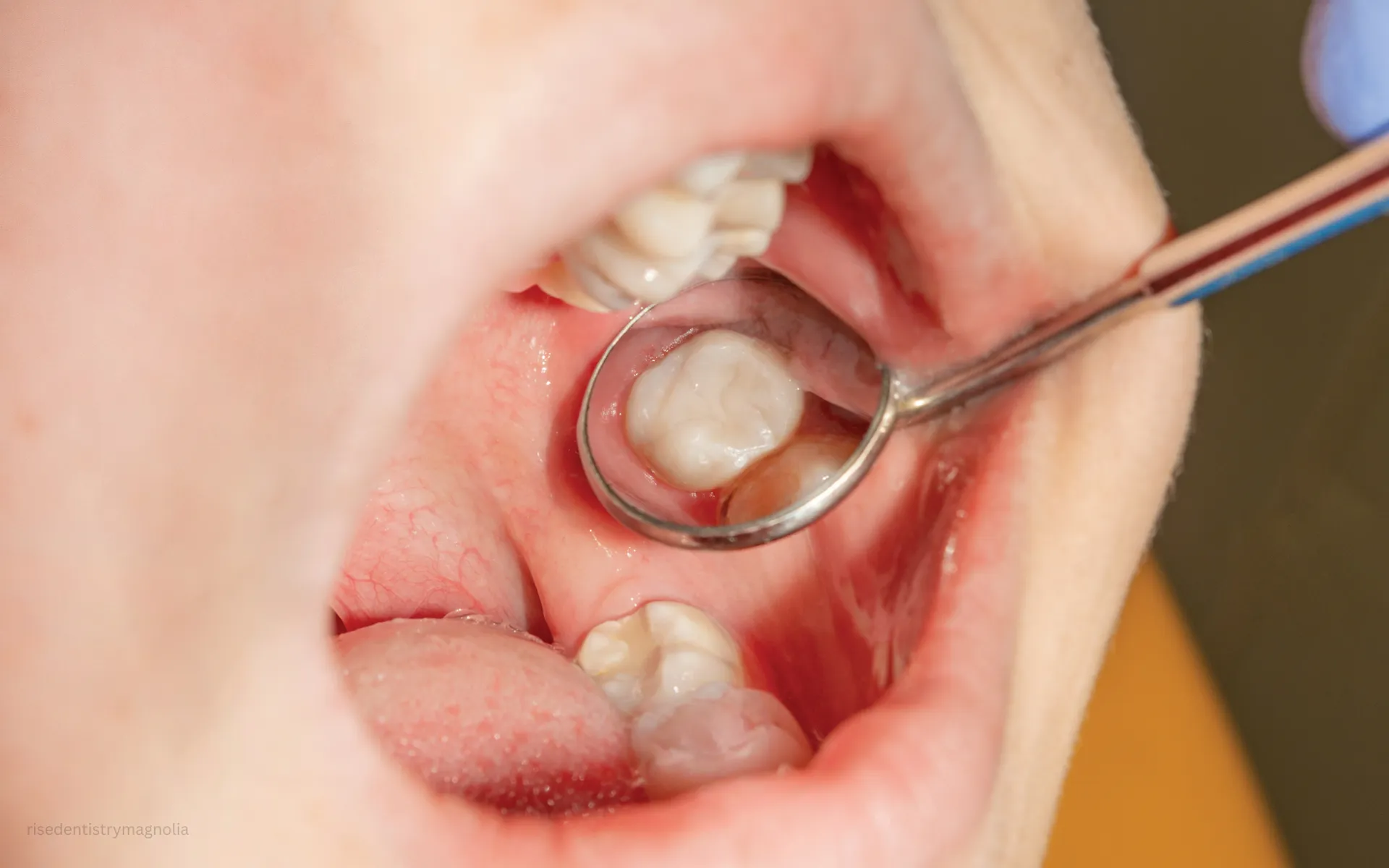

Worried about pain? Root canals are gentler than you think—book your appointment today for fast relief and expert care!
Many people ask, “Do root canals hurt?” It’s a common misconception that root canal treatment is extremely painful, but modern dental technology and advanced anesthesia make the procedure comfortable and stress-free. Most patients experience little to no pain, aside from slight pressure or mild discomfort during treatment.
The primary goal of a root canal is to relieve tooth pain and eliminate infection while preserving your natural tooth. After the procedure, you may notice mild soreness or sensitivity, but this typically fades within a few days. Following aftercare instructions from a trusted dentist in Magnolia will help ensure a smooth recovery and long-lasting oral health.
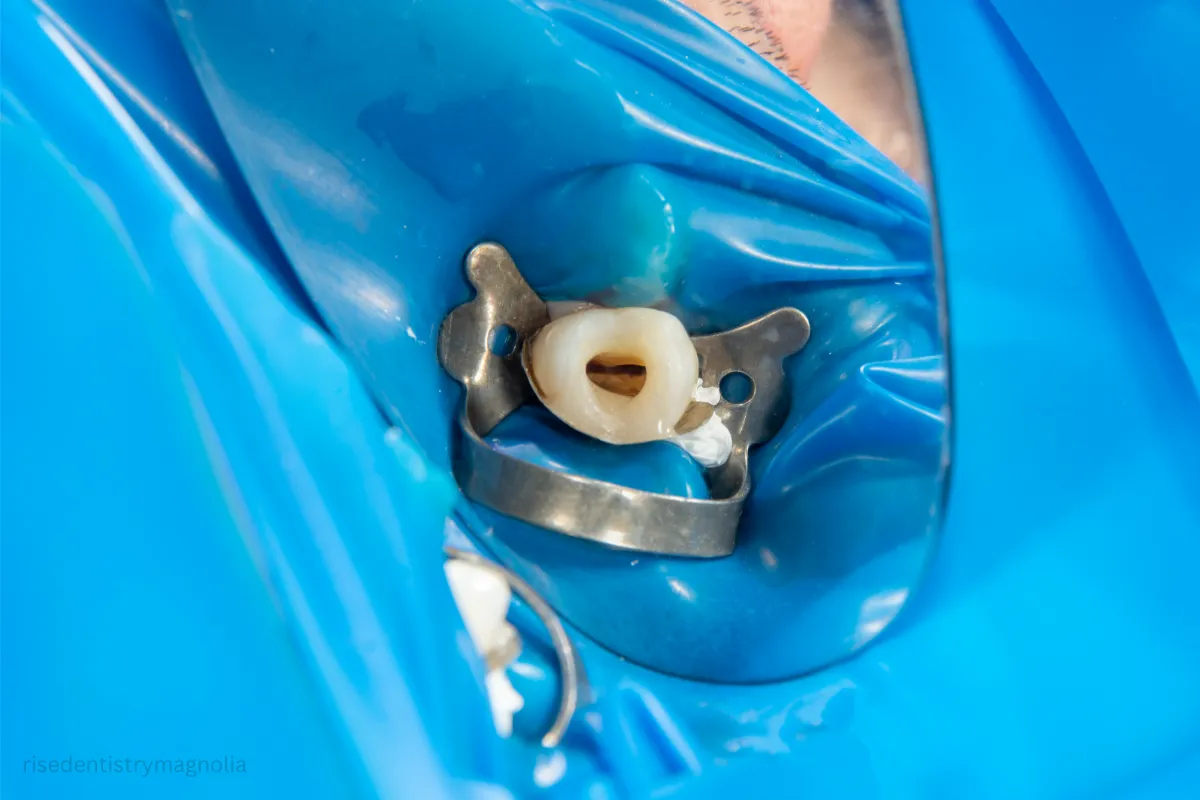
A Root Canal Treatment becomes necessary when a tooth is severely damaged or infected. Deep decay, cracks, or trauma can harm the inner pulp, causing persistent toothache pain. Many patients often ask, “Do Root Canals Hurt?”—with modern techniques and anesthesia, discomfort is usually minimal. Ignoring these problems can make the infection worse over time.
Untreated infection can spread to nearby teeth, gums, and even the jawbone. Structural damage inside the tooth can weaken it, increasing the risk of breakage or loss. Acting early helps prevent more serious complications.
The procedure works to relieve pain by removing damaged tissue and bacteria. It protects your natural tooth and stops infection from returning. Your dentist will guide you through proper care to ensure fast healing and long-lasting oral health.
Many people worry about root canal and pain, but most discomfort comes from the infection, not the procedure itself. Understanding the causes can help you feel more prepared.
Common causes of pain include:
During the procedure, you might feel pressure when your dentist works inside the tooth. This is normal and not painful. Anesthesia ensures you feel minimal pain during the treatment.
After treatment, mild discomfort, soreness, or sensitivity is common for a few days. Using pain relievers and following your dentist’s care instructions helps reduce discomfort and promotes healing.
Modern techniques and careful handling make the procedure as comfortable as possible, ensuring that the main pain comes from the infection, which the treatment is designed to relieve.
After a root canal, it’s normal to experience some pain or sensitivity. Understanding the root canal pain symptoms and root canal pain level can help you know what to expect.
Common pain levels and symptoms:
When to consider pain as severe:
Should any of these symptoms appear, get in touch with your dentist right away. Most mild pain is normal and will fade as your tooth heals.
After a root canal, proper care helps reduce root canal pain after procedure and ensures a smooth recovery. Following these tips can also prevent complications from a painful root canal treatment.
Post-procedure care tips:
Proper care combined with the dentist’s final restoration, such as a crown or filling, protects the tooth and minimizes future pain. Modern treatment techniques ensure the tooth is sealed, preventing infection and structural damage.
Following your dentist’s instructions closely helps you feel comfortable, reduces discomfort, and supports long-term oral health. With these steps, most patients recover quickly and enjoy lasting relief from tooth pain.

Healing after a root canal generally lasts between a few days and one week. During this period, mild soreness or mild sensitivity around the treated tooth is normal.
Your dentist may recommend over-the-counter pain relievers to manage discomfort. Avoid chewing hard foods and follow post-treatment instructions to support faster healing.
Most patients notice gradual improvement each day. Following proper care helps soreness fade quickly, making the tooth fully comfortable. Regular dental check-ups ensure recovery stays on track and prevent future complications.
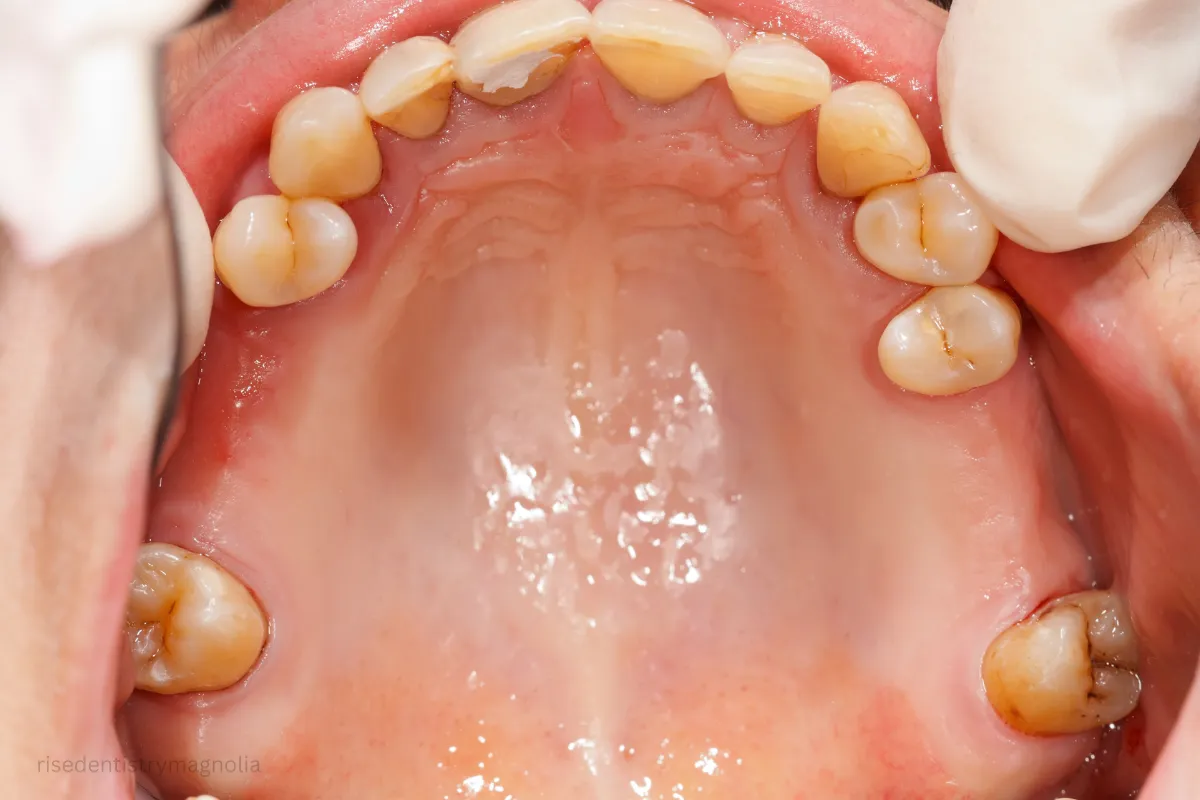
While most root canal procedures are comfortable, some factors can increase root canal treatment pain. The type of tooth plays a big role. Molars and back teeth are harder to treat and may cause more discomfort.
Complications like severe infection can make anesthesia less effective, causing the tooth to feel more sensitive. Cracks or fractures in the tooth may also require more detailed treatment, leading to mild soreness.
Inflammation or swelling around the gums and surrounding tissues can add temporary discomfort. Most of this pain is manageable with anesthesia and proper post-procedure care. Following your dentist’s guidance ensures a smooth and comfortable recovery.
Many patients ask, “Is a root canal more painful than a crown?” Modern advances make both procedures comfortable and safe.
During a root canal, anesthesia numbs the tooth completely. Modern technology and careful techniques ensure minimal discomfort. Most patients feel only pressure or mild sensitivity during the procedure.
Getting a crown may cause slight tenderness around the gums. Local anesthesia and digital impressions make the process smooth. Pain is usually less than the initial toothache that required treatment.
With proper care, both procedures relieve infection or damage and protect your natural tooth. Advances in technology, anesthesia, and procedure methods make recovery faster and more comfortab

After a root canal, some discomfort is normal, but certain symptoms may signal complications. Contact your dentist immediately if you notice swelling, severe pain, fever, or an uneven bite.
These signs could indicate an infection or issues with the treatment that need professional evaluation. Early attention helps prevent further damage and ensures the tooth heals properly.
Never ignore persistent or worsening pain. Your dentist can examine the tooth, identify the cause, and provide the necessary care to relieve discomfort. Prompt action protects your oral health and prevents more serious infections.
Most people experience very minimal discomfort while the procedure is being done. Any discomfort usually comes from the infection, not the treatment.
Recovery usually lasts from a few days up to a week. Mild soreness or sensitivity is normal and fades gradually.
Both procedures are comfortable with modern anesthesia. Pain is usually less than the toothache that required treatment.
Most patients rate the pain around 1–3, mainly from pressure or mild sensitivity.
Molars and back teeth are the most challenging due to multiple roots and complex canals.
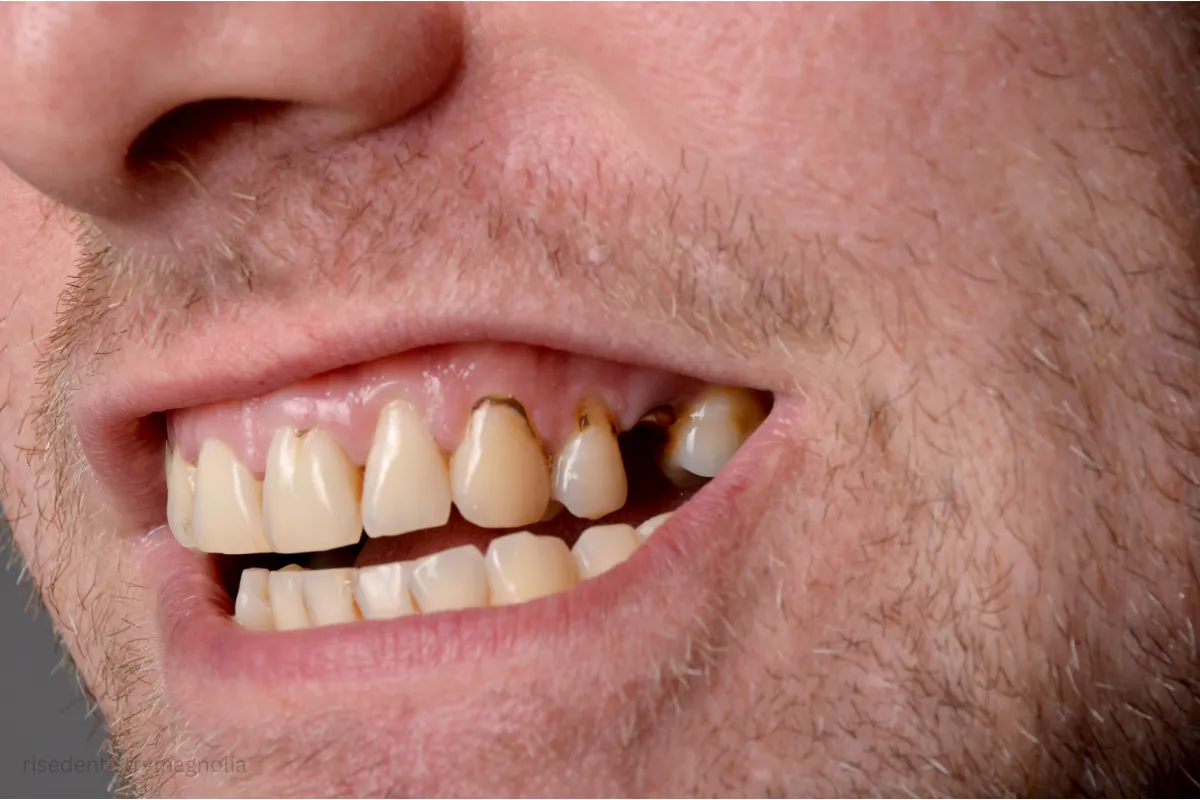
Modern Root Canal Treatment at Rise Dentistry is designed to be comfortable and safe. If you’re wondering, “Do Root Canals Hurt?” most patients report only minimal discomfort thanks to advanced technology and anesthesia.
The main goal is to relieve toothache pain and stop infection. Leaving an infected tooth untreated can cause severe pain, swelling, and further complications. A timely root canal protects your natural tooth and restores oral health.
Following your dentist’s instructions and attending regular check-ups ensures smooth recovery. If you are experiencing tooth pain or sensitivity, consult Rise Dentistry promptly. With proper care, most patients experience very little pain and leave the procedure feeling relieved and confident in their dental health.

EXCELLENTTrustindex verifies that the original source of the review is Google. "For years, I avoided the dentist due to my anxiety. Dr. Hassan sorathia and their team completely changed my perspective. The office has such a calming atmosphere, and the staff is compassionate and understanding. They explained every step of my treatment and made sure I was comfortable. I'm so grateful I found them and can now take care of my teeth without fear."Posted onTrustindex verifies that the original source of the review is Google. Rise was amazing! They extracted a wisdom tooth from me and the experience was completely pain free. Thank you so much!Posted onTrustindex verifies that the original source of the review is Google. I’m so grateful I found Dr. Sorathia and his wonderful staff at Rise Dentistry! From the moment I called, his office was incredibly accommodating and got me in immediately. He was professional, kind, and patient, and he truly understood my dental anxiety. I never felt rushed or pressured and he welcomed all my questions and explained each step of the process so I always knew what was happening. He made sure I understood all of my options, allowing me to make the most informed decision for my care. I left feeling comfortable, informed, and confident about my treatment. I will absolutely be returning to Dr. Sorathia and highly recommend him to anyone looking for a compassionate and thorough dentist.Posted onTrustindex verifies that the original source of the review is Google. I’m so glad I found this office! Staff is so kind and professional. They keep your comfort at the top of their priority list. Wish I had found them sooner! Can’t recommend this dentist enough!Posted onTrustindex verifies that the original source of the review is Google. Excellent Staff and Dr Sorathia very knowledgeable pleasant ambiance !Posted onTrustindex verifies that the original source of the review is Google. Had a great experience, no wait time, in and out. Everyone was friendly, informative and professional.Posted onTrustindex verifies that the original source of the review is Google. So refreshing to meet an HONEST dentist who isn’t trying to upsell you anything. Just tells you the facts doesn’t try to sway your opinion, just lays out the options based on facts and allows you to choose for yourself what works best for you. I definitely highly recommend!Posted onTrustindex verifies that the original source of the review is Google. Fantastic service! Had a bad tooth that was absolutely killing me for several days. I load going to the dentist so I don’t have a normal one. Set the appointment in the morning and got in that same day. The dentist explained saving versus extracting the tooth and 35 minutes later I was going home. He was extremely thorough and telling me what he was going to do and with the post office instructions. The staff both out front and his assistants were fantastic!! absolutely could not have asked for a better experience and he will be my dentist going forward.

 .
.