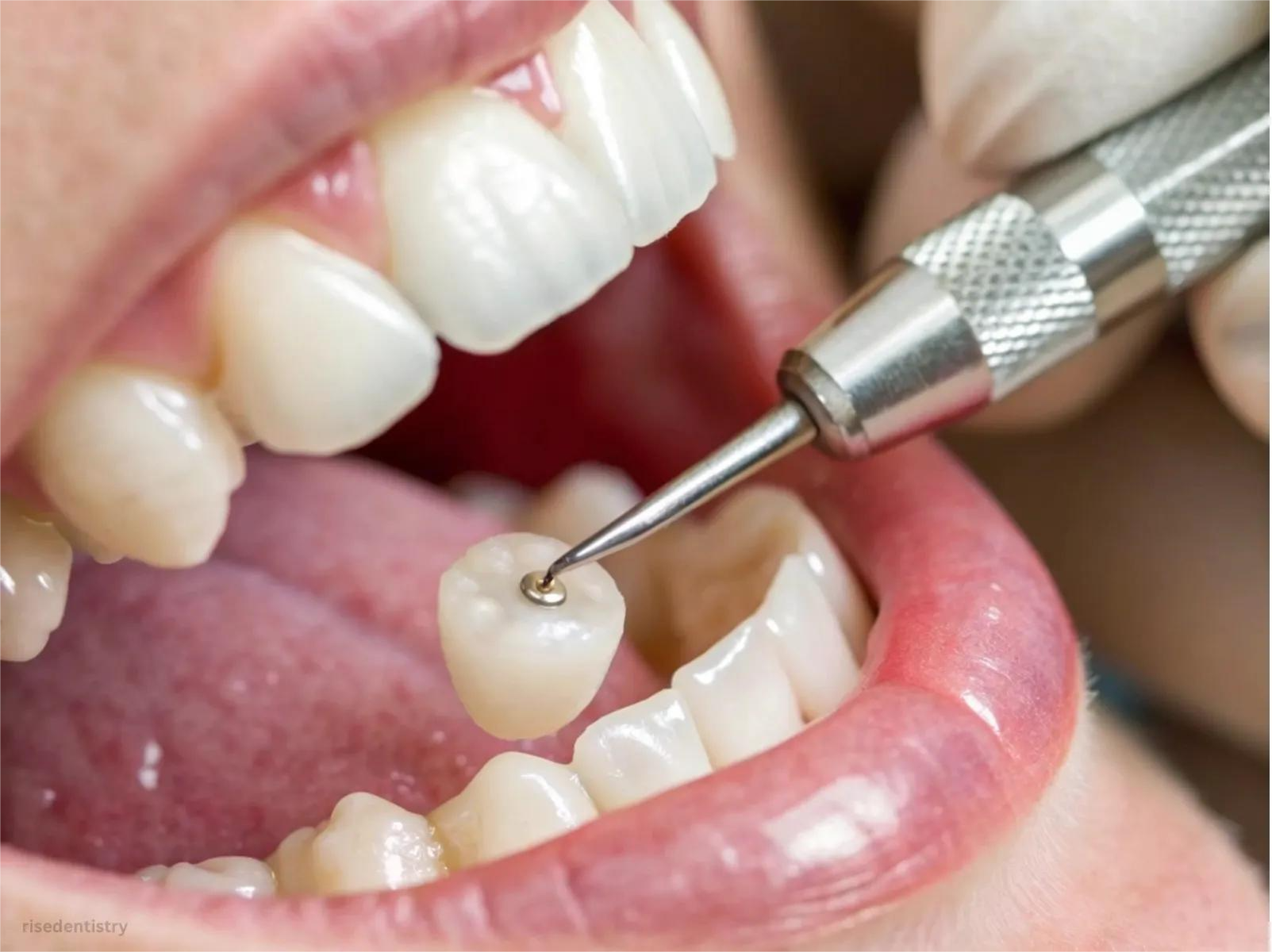

Trying to choose between bonding and veneers? Compare both options and book your consultation today for your perfect smile makeover!
When deciding between dental bonding vs veneers, patients often wonder which option will give a brighter, more balanced smile. Both are cosmetic dentistry treatments designed to enhance the appearance of natural teeth, whether for chips, gaps, discoloration, or uneven edges. A trusted dentist in Magnolia can help you choose the right solution for your goals and long-term dental health.
Dental bonding is a quick, affordable procedure using tooth-colored resin to fix minor imperfections, usually in a single visit with minimal enamel removal. Veneers are custom porcelain shells that create a more dramatic, long-lasting transformation, perfect for multiple cosmetic concerns.
Choosing between bonding and veneers depends on the extent of correction, durability, and desired results. A skilled dentist in Magnolia can recommend the best option to achieve a natural, confident smile.
Dental bonding is a quick cosmetic treatment that uses tooth-colored resin material applied over the tooth enamel. It improves the look of natural teeth by fixing:
It blends smoothly with the tooth and usually requires little removal of tooth structure.
Veneers are slim, custom-designed covers that attach to the front surface of your teeth. They improve the smile appearance and help with:
They offer a durable and very natural appearance.
| Category | Composite Bonding | Veneers |
|---|---|---|
|
What It Is |
A tooth-colored resin material added to part of the tooth. Works well for small fixes in composite bonding vs veneers comparisons. |
A thin shell placed over the full front surface. Offers a complete smile change. |
|
Coverage |
Helps repair small chips, minor wear, and bonding for gaps. |
Covers the whole tooth to correct shape issues and severe discoloration. |
|
Appearance |
Blends with natural teeth but may stain sooner. |
Creates a smoother, brighter, and more natural appearance. |
|
Durability |
Strong but less long-lasting. Can chip or stain over time. |
More durable and highly stain-resistant for many years. |
|
Best Choice For |
Quick improvements when comparing dental bonding vs. dental veneers. |
Long-term results when choosing bonding versus veneers or veneers vs dental bonding. |
Dental bonding uses a tooth-colored resin material placed over the tooth enamel. It blends well and works well for small improvements.
These points highlight the key dental bonding pros and cons
Porcelain veneers are thin ceramic shells that cover the full front surface of the tooth.
These factors explain the main dental veneers pros and cons
Resin suits minor fixes, while porcelain offers better durability and long-term smile appearance in cosmetic procedures.
Dental bonding is fast and usually completed in one appointment.
Bonding is comfortable and often needs no anesthesia, making it a simple choice when comparing dental bonding or veneers for minor fixes.
Veneers take longer because they create a bigger change
This process provides long-lasting improvement when choosing between veneers and bonding.
Understanding the cost dental bonding vs veneers helps you plan the right cosmetic treatment. Bonding is usually more affordable because it uses resin and requires minimal chair time. Veneers cost more due to custom lab work and stronger, longer-lasting materials.
These prices vary based on the material, dentist experience, and the number of teeth treated.
Common dental bonding vs veneers cost factors include:
Bonding is budget-friendly but may require more repairs over time. Veneers offer longer durability and stronger stain resistance, which is helpful when comparing teeth bonding vs veneers for long-term results.
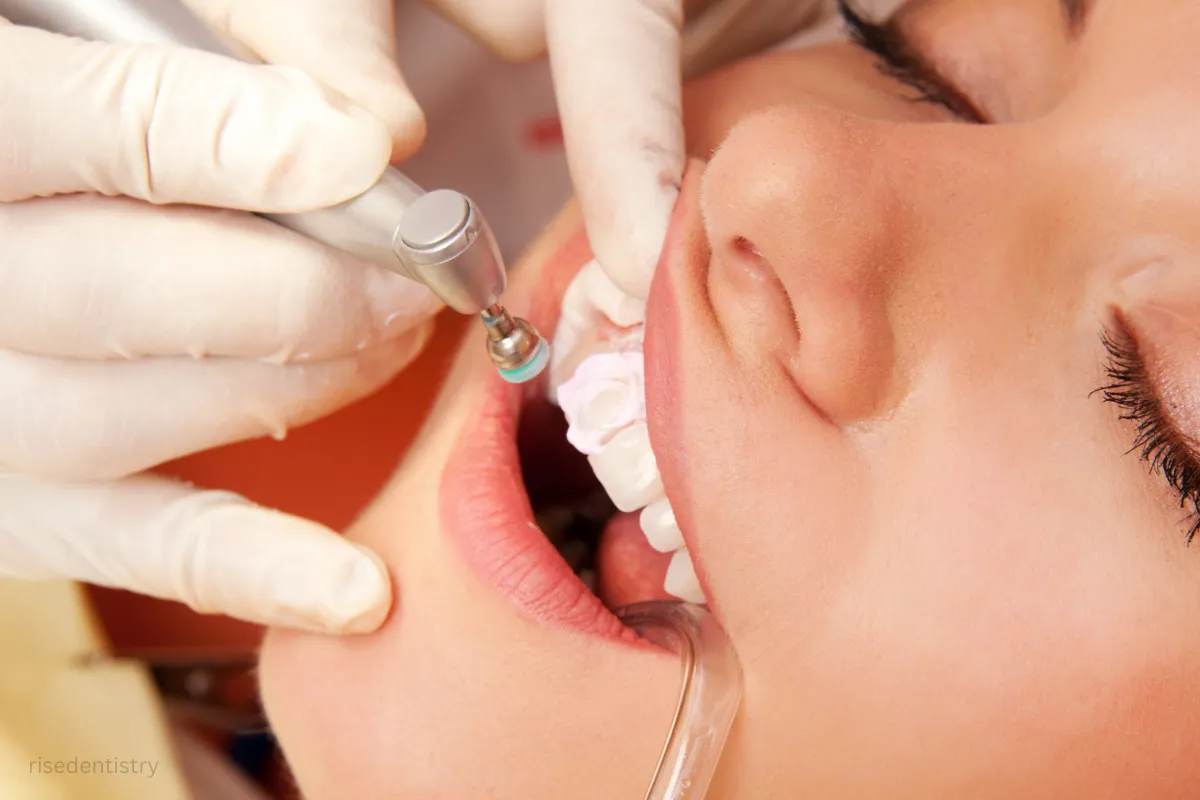
Many patients want a treatment that gives a natural appearance while improving small flaws. Dental bonding works well for minor imperfections like small chips or light gaps. It blends with the tooth and keeps the original shape mostly unchanged, giving subtle and natural-looking results.
Veneers create a more noticeable transformation. They cover the full front surface of each tooth and hide severe discoloration, uneven shapes, and worn enamel. Their smooth, reflective surface gives a bright and uniform finish. This makes veneers a strong choice for improving smile appearance on a larger scale.
Both options look natural in their own way. Bonding offers gentle refinements, while veneers deliver a complete, polished upgrade that lasts longer and enhances the entire smile.
Dental bonding is ideal for small cosmetic repairs and light structural issues. It works well for:
Bonding blends naturally and gives quick improvements.
Veneers correct bigger cosmetic concerns and create a full smile upgrade. They help with:
They cover the full front surface for a uniform, polished look.
Bonding suits smaller fixes, while veneers handle broader cosmetic changes.
Understanding the dental bonding pros and cons and dental veneers pros and cons helps patients choose the option that fits their needs.
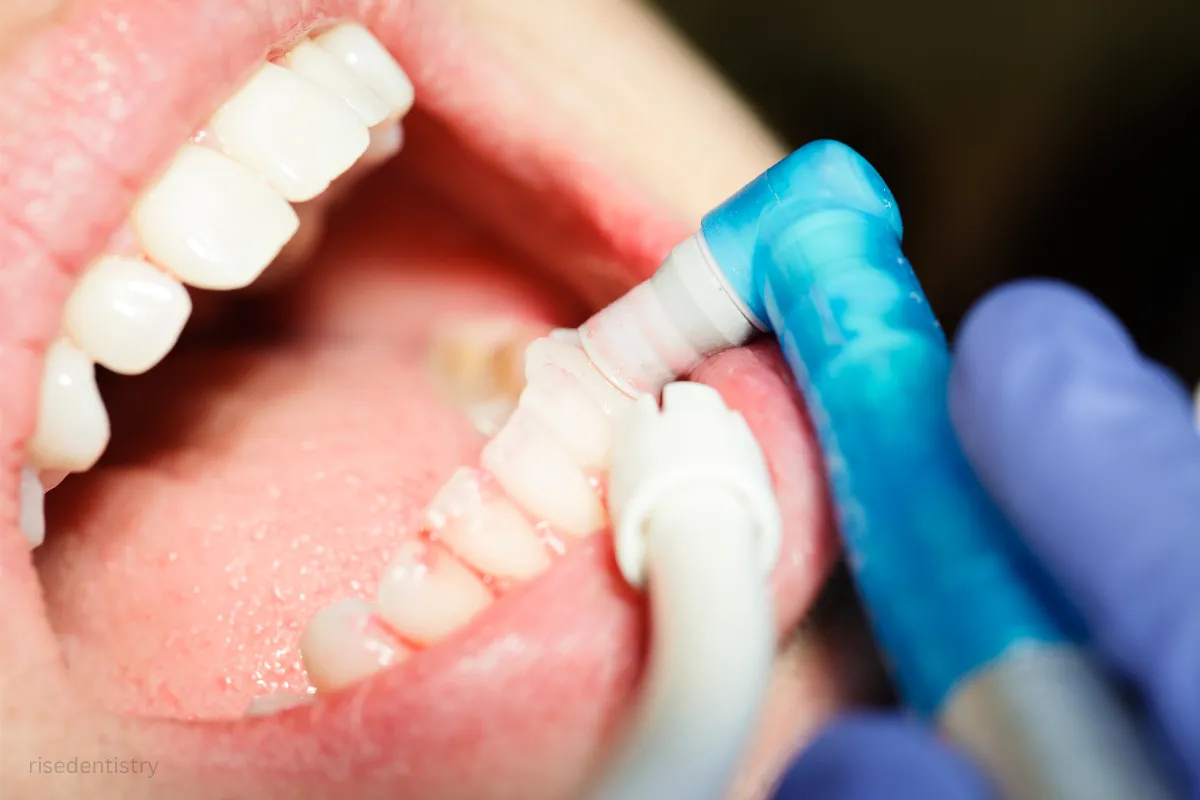
At Rise Dentistry, we help patients understand the difference between bonding and veneers so they can make the right choice. Every smile is unique, and each treatment offers its own benefits.
Our team provides complete Cosmetic Dentistry services, including Dental Bonding for quick fixes and Porcelain Veneers for long-lasting smile upgrades. We focus on natural-looking results and treatments that match your goals.
A consultation allows our dentists to check your teeth, explain your options, and guide you toward the most suitable solution. We make the process simple, comfortable, and designed to support your best smile.
Veneers last much longer than bonding. They resist stains and stay strong for many years.
Veneers cost more because they use stronger materials and involve lab work.
Bonding works well for small fixes. Veneers are better for bigger cosmetic changes.
Both treatments feel comfortable. Veneers may need light anesthesia during enamel shaping.
Yes. Bonding works for small gaps, while veneers fix larger spacing with full coverage.

Choosing the right treatment can make a big difference in how your smile looks and feels. Both Dental Bonding and Porcelain Veneers improve imperfections and support a natural, confident appearance. The best choice depends on your goals and the level of correction needed.
At Rise Dentistry, our Cosmetic Dentistry team guides you through each option with clear explanations. We focus on comfort, long-lasting results, and treatments that match your smile needs. Every patient receives personalized attention.
A consultation is the first step toward a brighter smile. Book your visit today and let our experts help you achieve a look you’ll love.
EXCELLENTTrustindex verifies that the original source of the review is Google. "For years, I avoided the dentist due to my anxiety. Dr. Hassan sorathia and their team completely changed my perspective. The office has such a calming atmosphere, and the staff is compassionate and understanding. They explained every step of my treatment and made sure I was comfortable. I'm so grateful I found them and can now take care of my teeth without fear."Posted onTrustindex verifies that the original source of the review is Google. Rise was amazing! They extracted a wisdom tooth from me and the experience was completely pain free. Thank you so much!Posted onTrustindex verifies that the original source of the review is Google. I’m so grateful I found Dr. Sorathia and his wonderful staff at Rise Dentistry! From the moment I called, his office was incredibly accommodating and got me in immediately. He was professional, kind, and patient, and he truly understood my dental anxiety. I never felt rushed or pressured and he welcomed all my questions and explained each step of the process so I always knew what was happening. He made sure I understood all of my options, allowing me to make the most informed decision for my care. I left feeling comfortable, informed, and confident about my treatment. I will absolutely be returning to Dr. Sorathia and highly recommend him to anyone looking for a compassionate and thorough dentist.Posted onTrustindex verifies that the original source of the review is Google. I’m so glad I found this office! Staff is so kind and professional. They keep your comfort at the top of their priority list. Wish I had found them sooner! Can’t recommend this dentist enough!Posted onTrustindex verifies that the original source of the review is Google. Excellent Staff and Dr Sorathia very knowledgeable pleasant ambiance !Posted onTrustindex verifies that the original source of the review is Google. Had a great experience, no wait time, in and out. Everyone was friendly, informative and professional.Posted onTrustindex verifies that the original source of the review is Google. So refreshing to meet an HONEST dentist who isn’t trying to upsell you anything. Just tells you the facts doesn’t try to sway your opinion, just lays out the options based on facts and allows you to choose for yourself what works best for you. I definitely highly recommend!Posted onTrustindex verifies that the original source of the review is Google. Fantastic service! Had a bad tooth that was absolutely killing me for several days. I load going to the dentist so I don’t have a normal one. Set the appointment in the morning and got in that same day. The dentist explained saving versus extracting the tooth and 35 minutes later I was going home. He was extremely thorough and telling me what he was going to do and with the post office instructions. The staff both out front and his assistants were fantastic!! absolutely could not have asked for a better experience and he will be my dentist going forward.

 .
.