
After wisdom teeth removal, wait 24 hours before gently brushing the rest of your teeth. Follow the right aftercare tips for proper healing. Contact Rise Dentistry for expert care!
After wisdom teeth removal, many patients wonder, “Can I brush my teeth after wisdom teeth removal?” It’s a common concern, especially in the first few days of recovery. The extraction site can feel sensitive, and patients often worry about disturbing the healing process. This is normal, as the area around the surgical site requires extra care to prevent complications.
While it’s important to maintain good oral hygiene after wisdom teeth removal, it must be done gently to protect the blood clot and promote healing. Brushing too aggressively can irritate the extraction site or cause unnecessary discomfort, so using the right technique is essential.
Rise Dentistry recommends a careful approach to brushing during the recovery period. By following proper aftercare instructions, you can clean your teeth safely without affecting the healing process. We guide our patients every step of the way, ensuring a smooth and stress-free recovery after wisdom tooth extraction.
Good oral hygiene is essential after surgery. The mouth becomes sensitive, and gentle care helps your body heal without complications.
Bacteria build up quickly after surgery. Light cleaning lowers the risk of infection, swelling, and discomfort.
A blood clot forms over the extraction site. It protects the bone and nerves. Gentle brushing and light rinsing help keep this clot in place.
Early healing is delicate. Simple dental aftercare steps, like soft brushing and proper rinsing, give your gums a clean, calm environment to recover safely.
Brushing needs to be done carefully during the first few days of recovery. Each day has different requirements, and following the correct day 1–3 instructions helps protect the healing area. Many patients feel unsure about when to brush teeth after wisdom removal, so a clear timeline makes the process easier.
Do not brush near the extraction site on the first day. Your mouth needs time to let a healthy blood clot develop. You may brush your other teeth gently, but avoid rinsing or spitting.
Light brushing can begin on day two. Stay away from the surgical area and keep all movements slow and soft to avoid irritation.
Your wisdom teeth taken out recovery becomes more stable on day three. Brush normally but avoid pressure near the back area. A warm saltwater rinse can help keep your mouth clean.
The first three days after surgery need careful brushing. Clear steps make recovery easier and protect the healing area.
Brushing must stay gentle after surgery. Your gums are healing, and soft steps help protect the sensitive area while keeping your mouth clean. These techniques also support better pain management during the early recovery phase.
Using gentle tools makes brushing safer during recovery. The right products help protect your gums and keep the healing area comfortable. Simple choices can make your brushing routine much easier.
These gentle tools help you clean your mouth safely while supporting smooth healing.
You can keep your mouth clean after surgery without touching the healing spot. Gentle steps help maintain oral hygiene after wisdom tooth extraction and protect the clot.
Brushing during recovery should feel gentle and comfortable. If brushing causes pain or irritation, the healing area might be affected. Watching for certain signs helps protect your mouth and prevents further problems.
Good habits during recovery help your socket heal safely. Simple steps protect the area and reduce irritation while your mouth recovers.
Many patients feel unsure about brushing after surgery, especially during the first few days. These concerns are completely normal. Understanding them helps you stay calm and protects the healing area.
With gentle movements and the right technique, brushing becomes safe and easy even during recovery.
Many patients have similar questions during recovery. Clear answers can help you brush safely and protect the healing area. Here are helpful explanations to guide you through this stage.
Most patients can brush normally after three to four days. Avoid the extraction spot until it feels comfortable.
Yes, brushing too hard can disturb the clot. Keep movements slow and gentle to protect blood clot protection during healing.
A mild toothpaste is safe after the first day. Avoid strong or mint-burning formulas because they may irritate the healing area.
Use a warm saltwater rinse after 24 hours. Clean the rest of your teeth normally, staying far from the surgical area.
Stop brushing if bleeding increases. Contact your Family Dentistry provider if bleeding continues or feels unusual.
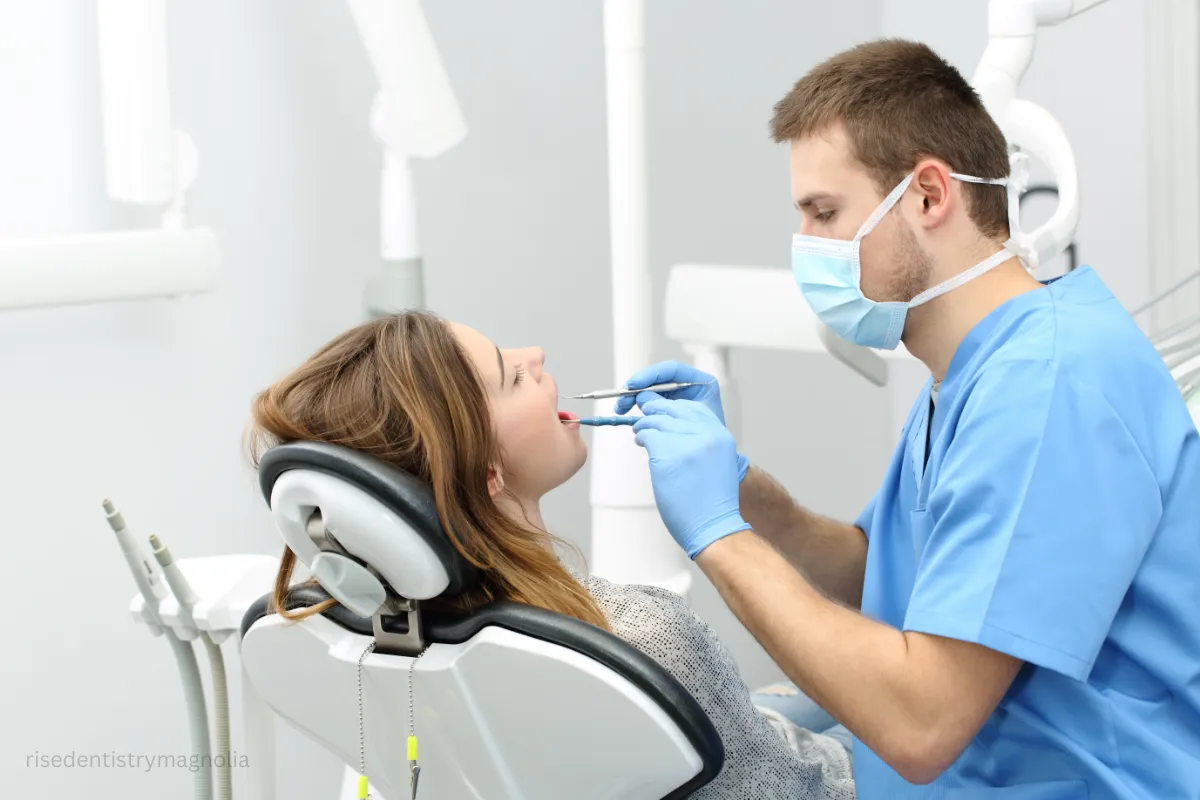
Brushing after surgery becomes easy when you follow gentle steps. Light movements, soft tools, and slow rinsing help protect the extraction site and keep the blood clot protection strong. Daily hygiene is still important, but it must stay within the safe guidelines your dentist recommends.
Many patients feel scared to brush teeth after extraction, and that is normal. With patience and careful cleaning, brushing becomes comfortable again. Your mouth heals better when you stay calm and follow the routine.
Rise Dentistry is here to support your healing. Our team specializes in Wisdom Teeth Removal and Family Dentistry, offering guidance whenever you need it. Contact us if brushing causes pain, bleeding, or discomfort.
EXCELLENTTrustindex verifies that the original source of the review is Google. "For years, I avoided the dentist due to my anxiety. Dr. Hassan sorathia and their team completely changed my perspective. The office has such a calming atmosphere, and the staff is compassionate and understanding. They explained every step of my treatment and made sure I was comfortable. I'm so grateful I found them and can now take care of my teeth without fear."Posted onTrustindex verifies that the original source of the review is Google. Rise was amazing! They extracted a wisdom tooth from me and the experience was completely pain free. Thank you so much!Posted onTrustindex verifies that the original source of the review is Google. I’m so grateful I found Dr. Sorathia and his wonderful staff at Rise Dentistry! From the moment I called, his office was incredibly accommodating and got me in immediately. He was professional, kind, and patient, and he truly understood my dental anxiety. I never felt rushed or pressured and he welcomed all my questions and explained each step of the process so I always knew what was happening. He made sure I understood all of my options, allowing me to make the most informed decision for my care. I left feeling comfortable, informed, and confident about my treatment. I will absolutely be returning to Dr. Sorathia and highly recommend him to anyone looking for a compassionate and thorough dentist.Posted onTrustindex verifies that the original source of the review is Google. I’m so glad I found this office! Staff is so kind and professional. They keep your comfort at the top of their priority list. Wish I had found them sooner! Can’t recommend this dentist enough!Posted onTrustindex verifies that the original source of the review is Google. Excellent Staff and Dr Sorathia very knowledgeable pleasant ambiance !Posted onTrustindex verifies that the original source of the review is Google. Had a great experience, no wait time, in and out. Everyone was friendly, informative and professional.Posted onTrustindex verifies that the original source of the review is Google. So refreshing to meet an HONEST dentist who isn’t trying to upsell you anything. Just tells you the facts doesn’t try to sway your opinion, just lays out the options based on facts and allows you to choose for yourself what works best for you. I definitely highly recommend!Posted onTrustindex verifies that the original source of the review is Google. Fantastic service! Had a bad tooth that was absolutely killing me for several days. I load going to the dentist so I don’t have a normal one. Set the appointment in the morning and got in that same day. The dentist explained saving versus extracting the tooth and 35 minutes later I was going home. He was extremely thorough and telling me what he was going to do and with the post office instructions. The staff both out front and his assistants were fantastic!! absolutely could not have asked for a better experience and he will be my dentist going forward.

 .
.