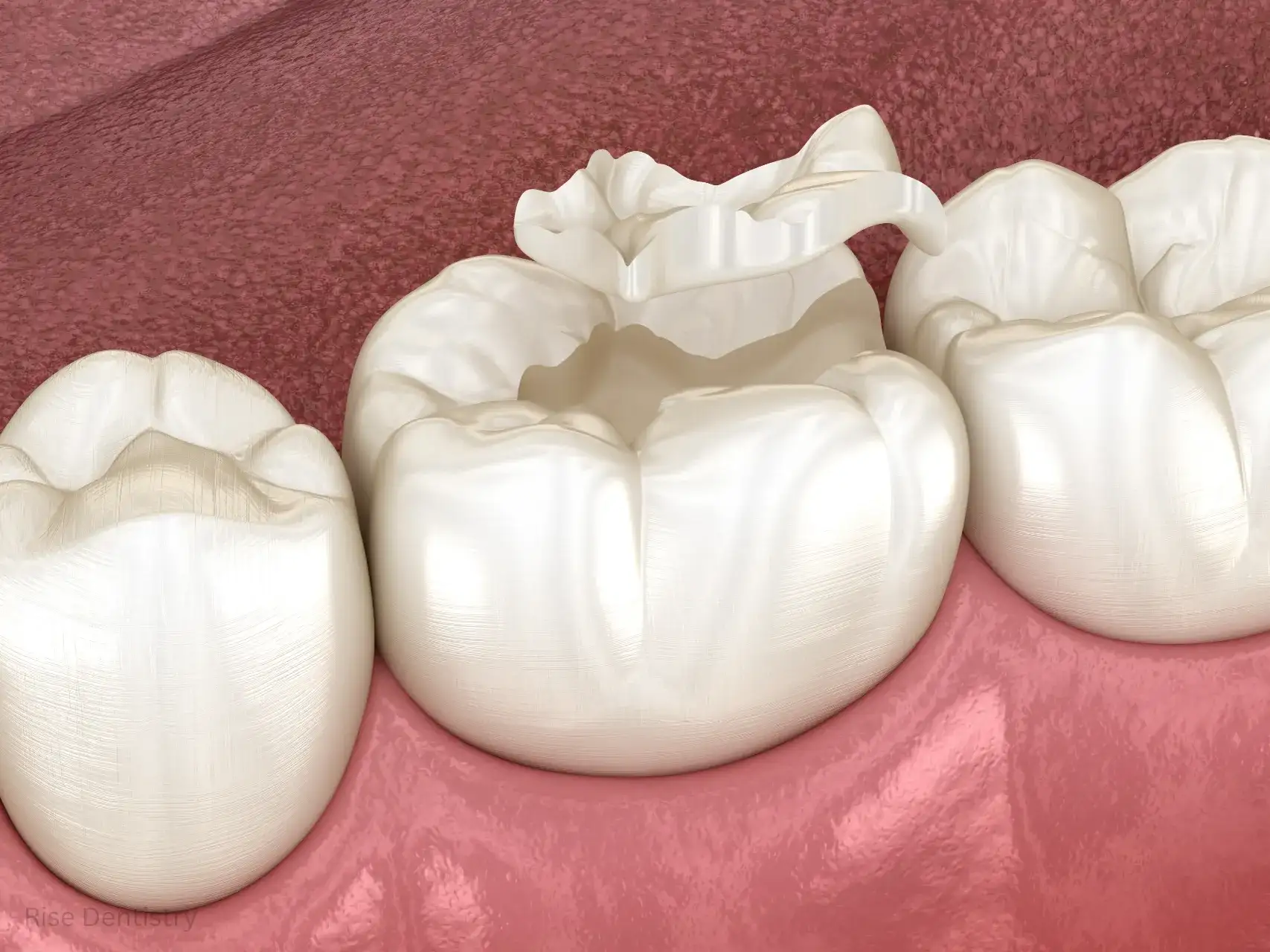

Dental sealants are a safe and effective way to protect your teeth—book your consultation today to learn more and keep your smile healthy!
Many parents wonder, “Are dental sealants safe?” and the answer is yes. Sealants are a quick, painless, and effective way to protect the grooves of back teeth from cavities. A trusted dentist in Magnolia can apply these dentist-approved coatings to help prevent decay in kids and teens.
By blocking food and bacteria from settling in hard-to-reach areas, sealants reduce the risk of cavities and support long-term oral health. Regular visits to your dentist in Magnolia ensure sealants stay intact, keeping your child’s smile healthy.
This simple preventive step is safe, reliable, and highly recommended for maintaining strong, cavity-free teeth during the most vulnerable years.
Dental sealants are applied as thin layers on the biting surfaces of molars. These grooves trap food and bacteria. A sealant on molars covers these areas and prevents dental sealants for cavities from becoming necessary.
They help by:
Sealants are widely used in pediatric dentistry. They protect baby teeth and new permanent molars, helping avoid early decay.
Dentists use safe sealant material such as resin-based or glass ionomer. Both offer strong bonding and proven effectiveness.
Sealants create a light protective layer over the biting surfaces of molars. This layer blocks food and bacteria from settling in deep grooves. It also helps in reducing cavity risk.
Most sealants use safe ingredients, such as:
Both materials bond firmly to the tooth and create long-lasting protection.
Parents often wonder, “Are dental sealants safe?” Most family dentists recommend sealants, especially for children and developing teeth. They protect new molars and even baby teeth with deep grooves. These teeth guide permanent teeth, so keeping them healthy matters.
Adults can also benefit from adult sealants. They protect teeth with deep pits or early signs of decay. Sealants lower cavity risk and support long-term oral health.
Many patients look for “safer options,” but none of these support healing after extraction.
While concerns about tooth sealant dangers are common, the risks are low and rarely cause issues.
Minor side effects can include:
These reactions usually go away quickly.
Research confirms that dental sealant side effects are minimal. Sealants are safe for children and adults.
Dentists use safe materials with proven long-term safety.
Overall, the benefits of dental sealants outweigh the minor risks. They are an effective and safe way to prevent cavities.
Sealants protect back teeth from food and bacteria. This helps with dental sealants for cavities and reduces cavity risk.
Key benefits of sealants include:
These advantages make sealants a trusted preventive option.
The cons are minimal:
The teeth sealants pros and cons show that the benefits far outweigh the cons. Sealants are an effective, long-lasting way to protect teeth.
Sealants usually last between two to five years. Their long-term safety makes them a trusted option for protecting teeth.
The durability of sealants depends on:
Sealants may need reapplication if they wear thin or crack. Regular dental check-ups ensure they remain effective.
Some worry about the dangers of dental sealants.
Fact: Dentists approve sealants as a safe method for cavity prevention.
Concerns about chemical exposure are common.
Fact: Modern non-toxic sealants are safe. The chemical exposure is minimal and doesn’t pose risks.
Some think only children can use sealants.
Fact: Adults with deep grooves or higher cavity risk can also benefit from sealants.
There’s a belief that sealants harm enamel.
Fact: No proven tooth sealant dangers exist when applied correctly.
Sealants are safe, effective, and a simple way to reduce cavity risk.
Sealants are not helpful for baby teeth issues like decay or weak enamel. They won’t bond well and won’t protect the tooth.
Avoid sealants on partially erupted molars. The coating cannot fully cover the chewing surface, reducing protection.
Sealants may need reapplication if they wear thin or crack. Regular dental check-ups ensure they remain effective.
If a tooth has deeper damage or decay, a chemical sealant may not work. Another treatment may be a better choice.
At Rise Dentistry, we prioritize your family’s health by offering dentist-approved sealants that prevent cavities.
We use only the best materials to ensure long-lasting protection for your child’s teeth. Our team is dedicated to providing gentle, effective care to keep your family’s smiles healthy.
The best time for sealants is when baby teeth are replaced with permanent molars. This is typically around ages 6-14.
Dental sealant side effects are rare but may include mild sensitivity. Chemical exposure from sealants is minimal, and there are no proven dangers of dental sealants when applied properly.
Adults with deep grooves or high cavity risk can benefit from teeth sealants. They can be effective for cavity prevention in older patients too.
Dental sealants for cavities are effective at preventing new decay. However, if not applied correctly, a cavity can form under the sealant.
Long-term safety is well established, and sealants effectively reduce cavity risk by protecting the tooth surface.

Are dental sealants safe? Yes, they are. Dental sealants are a safe, effective way to prevent cavities, especially for children. The risks are minimal, and the benefits far outweigh any concerns. Sealants create a protective barrier against decay, keeping teeth healthy for years.
At Rise Dentistry, we prioritize your family’s oral health with Family Dentistry services and dentist-approved sealants. Our team uses the safest materials to ensure long-term protection for your child’s teeth.
If you have any questions or want to learn more, we encourage you to schedule a consultation. Protect your family’s smiles with our trusted dental sealant options today!
EXCELLENTTrustindex verifies that the original source of the review is Google. "For years, I avoided the dentist due to my anxiety. Dr. Hassan sorathia and their team completely changed my perspective. The office has such a calming atmosphere, and the staff is compassionate and understanding. They explained every step of my treatment and made sure I was comfortable. I'm so grateful I found them and can now take care of my teeth without fear."Posted onTrustindex verifies that the original source of the review is Google. Rise was amazing! They extracted a wisdom tooth from me and the experience was completely pain free. Thank you so much!Posted onTrustindex verifies that the original source of the review is Google. I’m so grateful I found Dr. Sorathia and his wonderful staff at Rise Dentistry! From the moment I called, his office was incredibly accommodating and got me in immediately. He was professional, kind, and patient, and he truly understood my dental anxiety. I never felt rushed or pressured and he welcomed all my questions and explained each step of the process so I always knew what was happening. He made sure I understood all of my options, allowing me to make the most informed decision for my care. I left feeling comfortable, informed, and confident about my treatment. I will absolutely be returning to Dr. Sorathia and highly recommend him to anyone looking for a compassionate and thorough dentist.Posted onTrustindex verifies that the original source of the review is Google. I’m so glad I found this office! Staff is so kind and professional. They keep your comfort at the top of their priority list. Wish I had found them sooner! Can’t recommend this dentist enough!Posted onTrustindex verifies that the original source of the review is Google. Excellent Staff and Dr Sorathia very knowledgeable pleasant ambiance !Posted onTrustindex verifies that the original source of the review is Google. Had a great experience, no wait time, in and out. Everyone was friendly, informative and professional.Posted onTrustindex verifies that the original source of the review is Google. So refreshing to meet an HONEST dentist who isn’t trying to upsell you anything. Just tells you the facts doesn’t try to sway your opinion, just lays out the options based on facts and allows you to choose for yourself what works best for you. I definitely highly recommend!Posted onTrustindex verifies that the original source of the review is Google. Fantastic service! Had a bad tooth that was absolutely killing me for several days. I load going to the dentist so I don’t have a normal one. Set the appointment in the morning and got in that same day. The dentist explained saving versus extracting the tooth and 35 minutes later I was going home. He was extremely thorough and telling me what he was going to do and with the post office instructions. The staff both out front and his assistants were fantastic!! absolutely could not have asked for a better experience and he will be my dentist going forward.

 .
.