Crown preparation is usually comfortable with modern anesthesia. Most patients feel pressure, not pain. Book your consultation at Rise Dentistry for stress-free, gentle care today.
Getting a dental crown can help restore a weakened, damaged, or worn tooth, but many patients have concerns before starting treatment. The most common question patients ask is, does preparing a tooth for a crown hurt? Generally, the procedure is performed comfortably, as dentists use local anesthesia to numb the treatment area and help minimize discomfort.
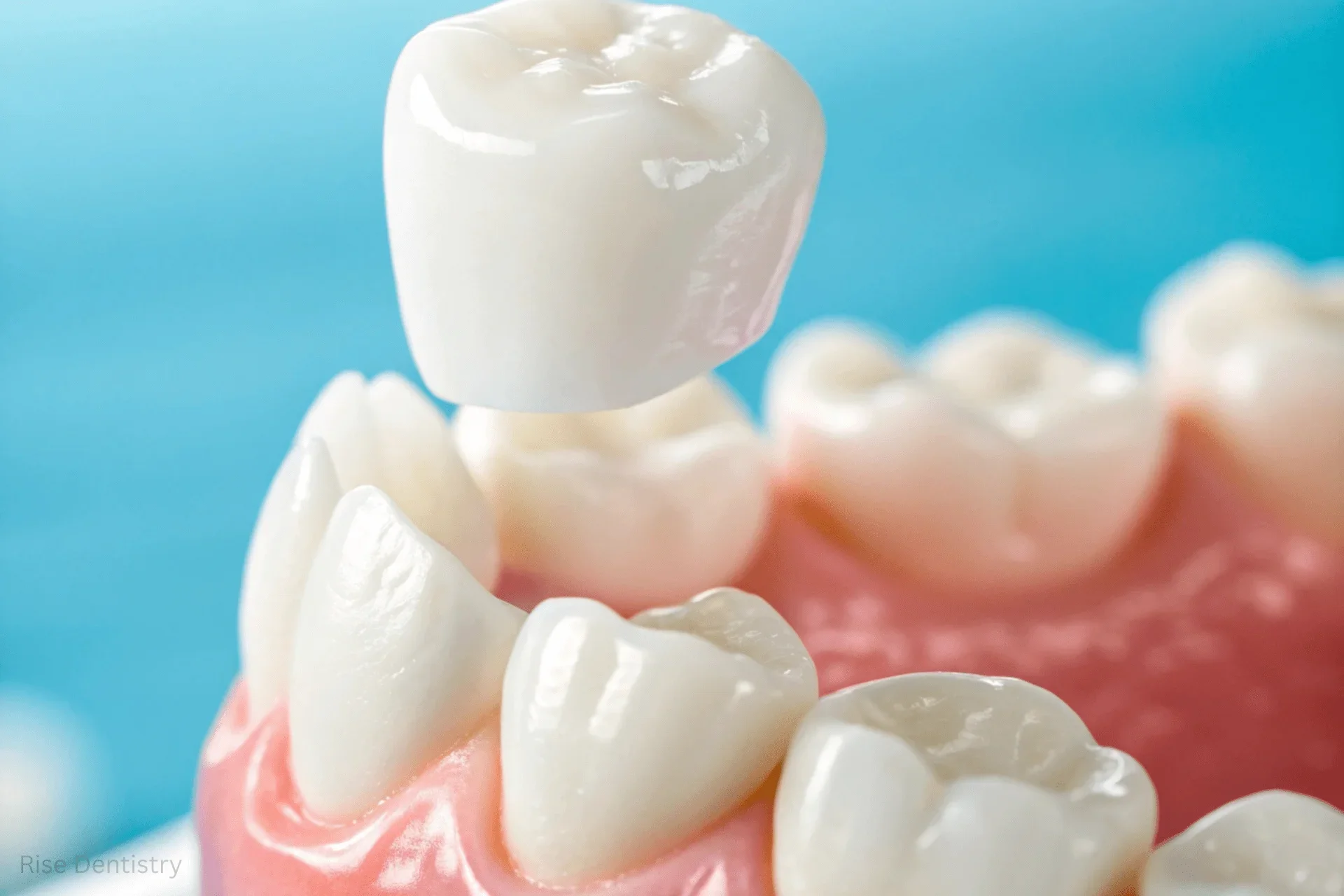
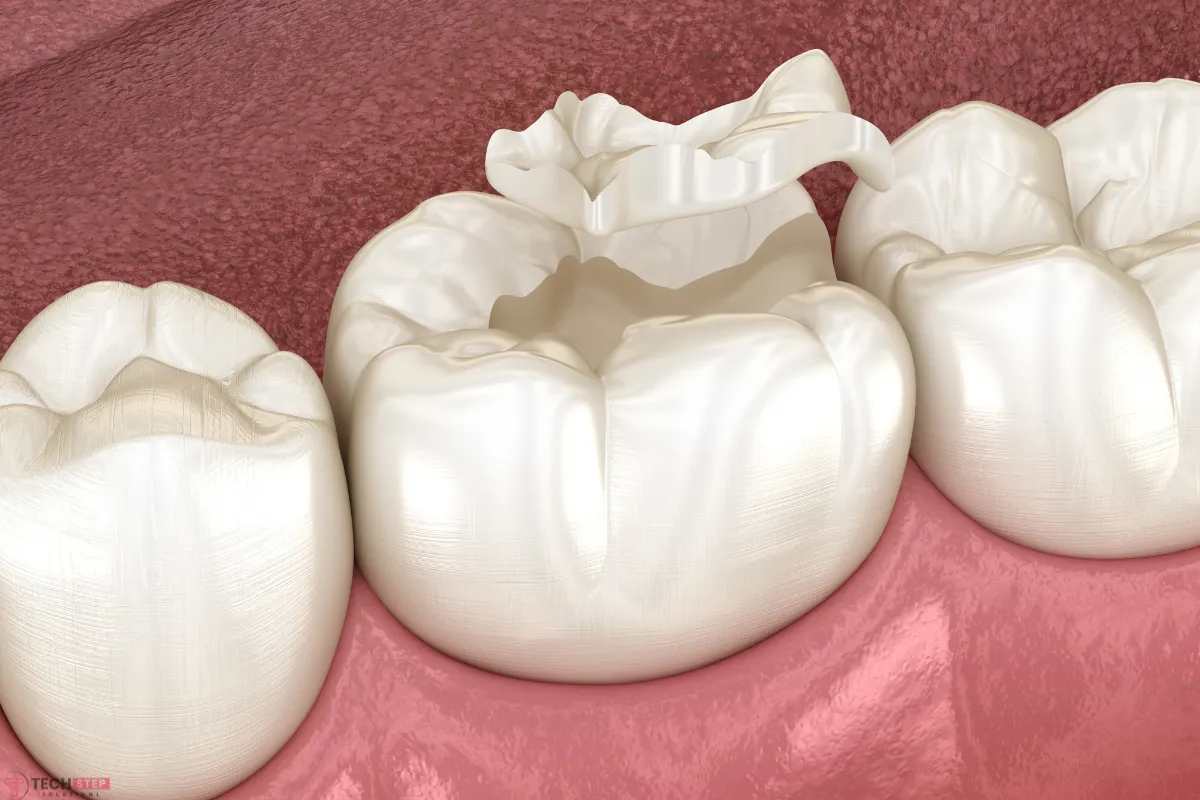
A dental crown is a restoration designed to cover a tooth and enhance its strength, function, and appearance. During the dental crown procedure, your dentist carefully reshapes the tooth to provide adequate space for the crown to fit properly and securely. Knowing what happens from preparation through final placement can make your dental appointment feel more predictable and comfortable.
Before beginning treatment, your dentist examines the condition of your tooth and determines whether a crown is the right option. A crown may be recommended for a tooth affected by damage, decay, cracks, or weakness that requires additional support.
During the evaluation, your dentist examines the tooth before crown placement to assess its tooth structure and determine the appropriate amount of preparation required. The goal is to preserve as much healthy tooth structure as possible while creating a strong foundation for the restoration.
A dental crown can be used for damaged tooth repair, helping restore the tooth’s strength while providing added protection.
The answer to does preparing a tooth for a crown hurt is usually no. Most patients experience little to no discomfort during the procedure, as the dentist uses numbing before crown procedure with local anesthesia to help keep the treated tooth and surrounding area comfortable.
During crown preparation, your dentist carefully reshapes the tooth surface, removing a small amount of enamel to create the necessary space for the crown. You may feel pressure, vibration, or movement, but sharp pain is uncommon when the area is properly numbed.
After the anesthesia wears off, some patients may notice mild crown prep pain or sensitivity. This discomfort is generally short-lived and tends to ease as the tooth becomes accustomed to the treatment.
The process of getting crowns on teeth involves several steps to ensure proper fit, comfort, and function.
Your dentist begins by examining the tooth and reviewing the treatment options that may be appropriate for your needs. This step helps determine whether a crown is needed and what type of restoration will provide the best result.
The tooth preparation for crown reshapes the tooth to create a stable surface where the restoration can fit securely.
This process is carefully performed to maintain proper tooth structure while allowing enough space for the crown.
Proper crown preparation helps create a stable base for the final restoration and improves the success of the treatment.
After preparing the tooth, your dentist may place a temporary crown while your permanent restoration is being created. The temporary crown covers and safeguards the prepared tooth while you wait for the permanent restoration, allowing normal use with appropriate care.
Some patients may experience temporary crown pain or slight sensitivity during this stage, particularly when consuming hot, cold, or hard foods.
Once the final restoration is prepared, your dentist removes the temporary crown and secures the permanent crown in its proper position. The dentist checks the bite, appearance, and comfort before completing the crown fitting process.
Proper crown placement ensures the restoration feels natural and supports your oral function.
Although crown preparation is generally comfortable, some people may notice soreness afterward. Soreness after crown prep can happen because the tooth and surrounding tissues need time to adjust after treatment.
Possible reasons for discomfort include:
Tooth sensitivity after crown treatment may occur, particularly when you consume foods or drinks that are very hot or cold. If discomfort continues or becomes severe, contacting your dentist can help identify the cause.
The crown procedure recovery period can vary depending on your tooth’s condition and how your mouth responds following treatment. Many patients adjust quickly after the crown is placed.
To support recovery, consider:
A properly fitted crown supports natural tooth protection and helps maintain the strength of the restored tooth.
Yes, most traditional crowns require some level of preparation so they can fit securely over the tooth. However, the amount of preparation depends on factors such as tooth condition, crown type, and the amount of healthy structure available.
Dentists carefully balance removing enough material for proper crown fitting while protecting the remaining tooth. The goal is to provide effective dental restoration without unnecessary removal of natural tooth material.
Knowing what to expect before your visit can make the process easier. Before your dental appointment, discuss any concerns with your dentist, including questions about discomfort, recovery, or temporary restorations.
Helpful preparation steps include:
A clear understanding of the process can help reduce anxiety and make your experience more comfortable.
During crown preparation, your dentist carefully reshapes the tooth by removing a small amount of enamel to make room for the crown. The treatment area is usually numbed to help keep you comfortable throughout the procedure.
Most people experience little to no pain during a dental crown procedure because local anesthesia helps numb the treatment area. You may notice pressure or gentle vibrations as the dentist works on the tooth.
Preparing a tooth without anesthesia can lead to some discomfort during the procedure. Dentists generally use numbing methods to make the procedure more comfortable.
When only local anesthesia is used, you may be able to drive home after your appointment. However, your dentist can advise you based on your treatment and individual circumstances.
A tooth may hurt after crown prep because of temporary sensitivity, irritation, or adjustment to the restoration. Persistent pain should be evaluated by your dentist.

If you are wondering does preparing a tooth for a crown hurt, the procedure is generally comfortable because dentists use effective numbing techniques and carefully prepare the tooth. Some patients may notice sensitivity or mild crown prep pain, which generally becomes less noticeable as the tooth adapts following treatment.
A dental crown procedure can help repair damaged teeth, preserve natural tooth structure, and restore normal everyday function. At Rise Dentistry, our team helps patients understand each step of the process, from crown preparation and temporary crown placement to final crown fitting. If you need a Tooth Crown, we focus on providing comfortable care while helping restore the strength, appearance, and protection of your tooth.
EXCELLENTTrustindex verifies that the original source of the review is Google. I called about needing to get only x-rays and they were able to get me in the same day! They were very nice and thorough.Posted on GoogleTrustindex verifies that the original source of the review is Google. Quick, clean, and friendly service! Definitely continuing my dental care here!Posted on GoogleTrustindex verifies that the original source of the review is Google. i can’t say enough good things about rise dentistry. i called for a consultation to remove my wisdom teeth. i was extremely embarrassed about the state of them but Dr. Sorathia was nothing but kind. he is extremely approachable and never made me feel bad. they managed to get me booked with the surgeon very promptly. one week after i’m no longer in pain and i will definitely return for my regular dental work.Posted on GoogleTrustindex verifies that the original source of the review is Google. "For years, I avoided the dentist due to my anxiety. Dr. Hassan sorathia and their team completely changed my perspective. The office has such a calming atmosphere, and the staff is compassionate and understanding. They explained every step of my treatment and made sure I was comfortable. I'm so grateful I found them and can now take care of my teeth without fear."Posted on GoogleTrustindex verifies that the original source of the review is Google. Rise was amazing! They extracted a wisdom tooth from me and the experience was completely pain free. Thank you so much!Posted on GoogleTrustindex verifies that the original source of the review is Google. I’m so grateful I found Dr. Sorathia and his wonderful staff at Rise Dentistry! From the moment I called, his office was incredibly accommodating and got me in immediately. He was professional, kind, and patient, and he truly understood my dental anxiety. I never felt rushed or pressured and he welcomed all my questions and explained each step of the process so I always knew what was happening. He made sure I understood all of my options, allowing me to make the most informed decision for my care. I left feeling comfortable, informed, and confident about my treatment. I will absolutely be returning to Dr. Sorathia and highly recommend him to anyone looking for a compassionate and thorough dentist.Posted on GoogleTrustindex verifies that the original source of the review is Google. I’m so glad I found this office! Staff is so kind and professional. They keep your comfort at the top of their priority list. Wish I had found them sooner! Can’t recommend this dentist enough!Posted on GoogleTrustindex verifies that the original source of the review is Google. Excellent Staff and Dr Sorathia very knowledgeable pleasant ambiance !

 .
.