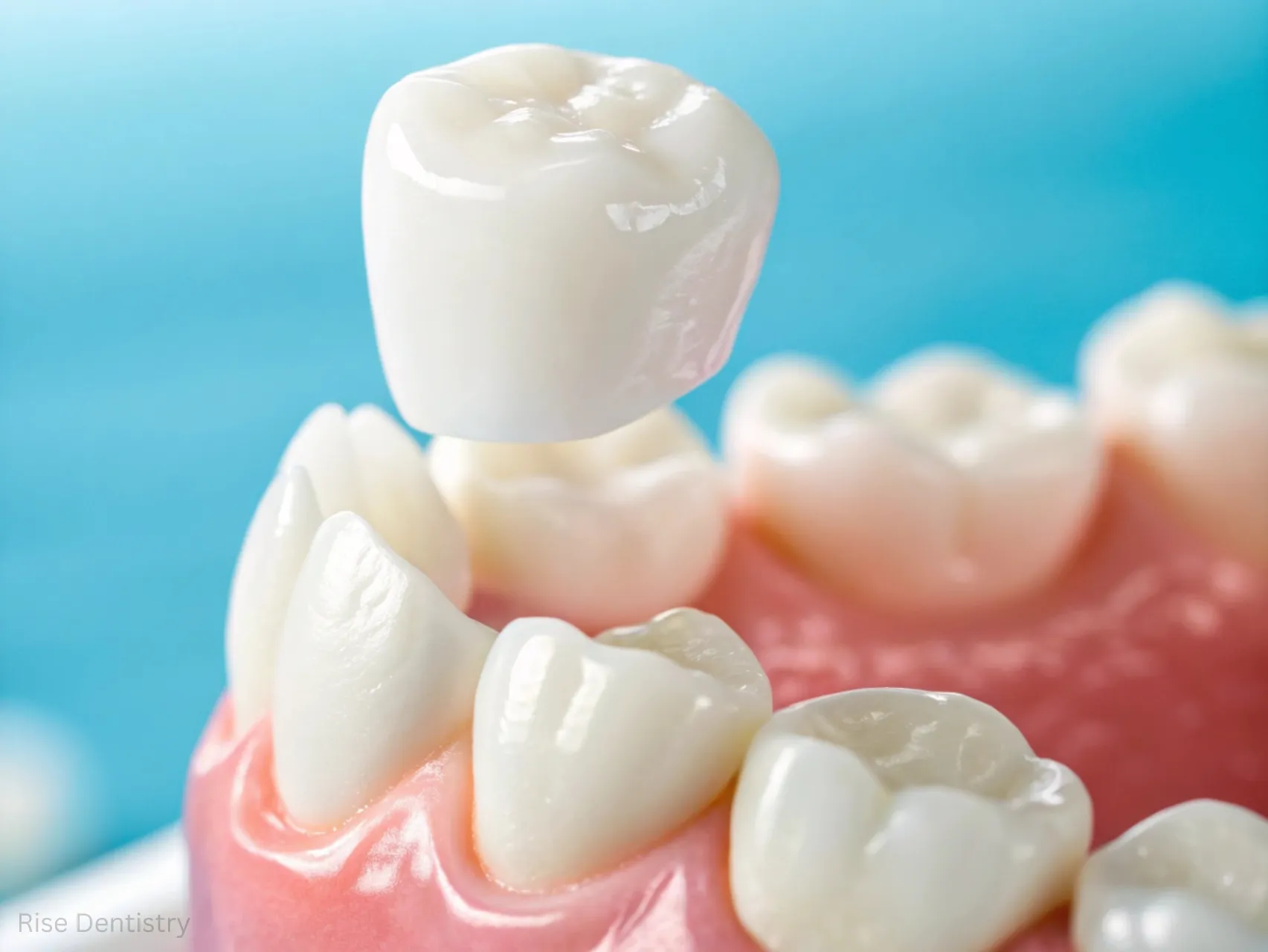
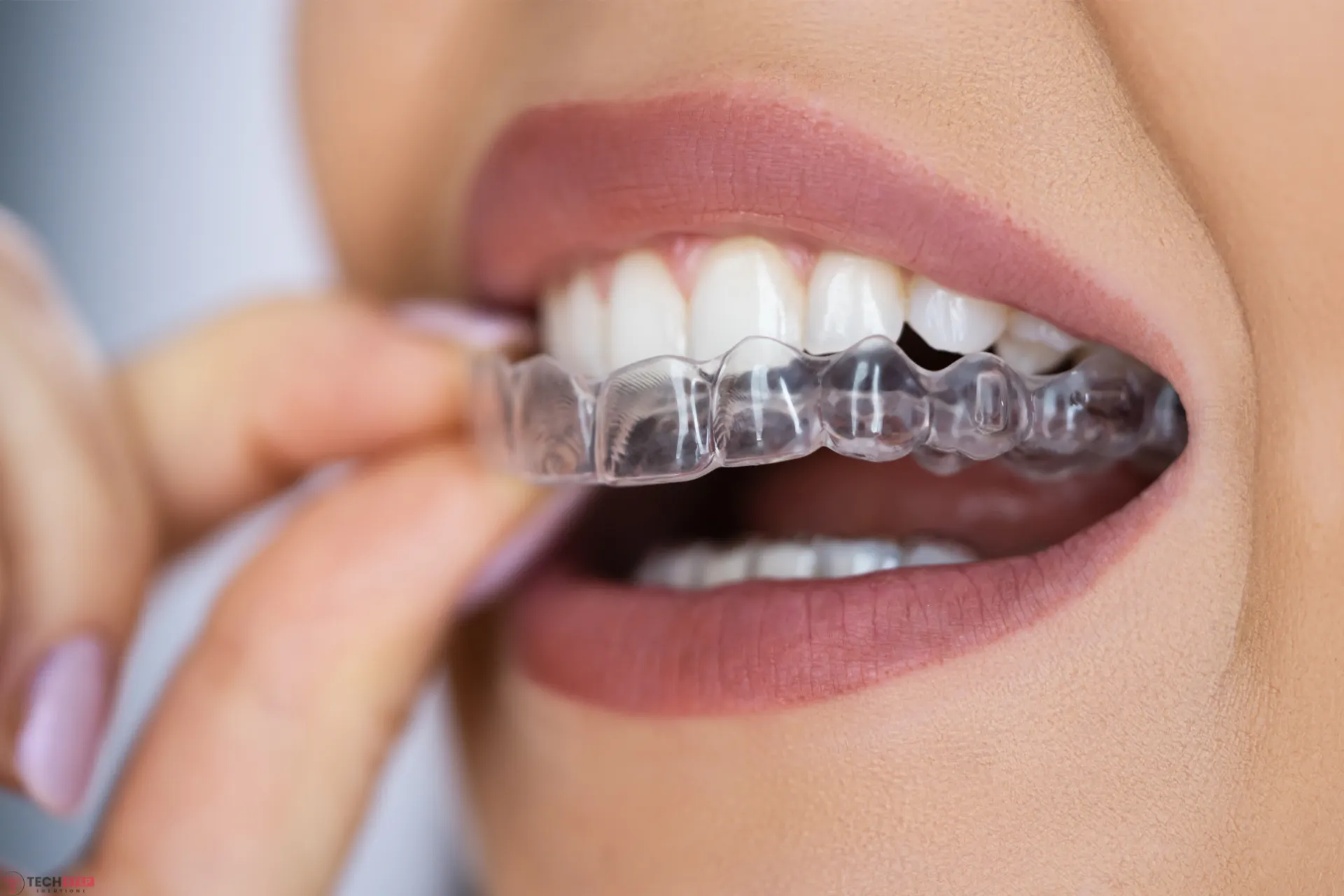
Not sure which option is right for your smile? Compare crowns and bonding—schedule your consultation with Rise Dentistry today!
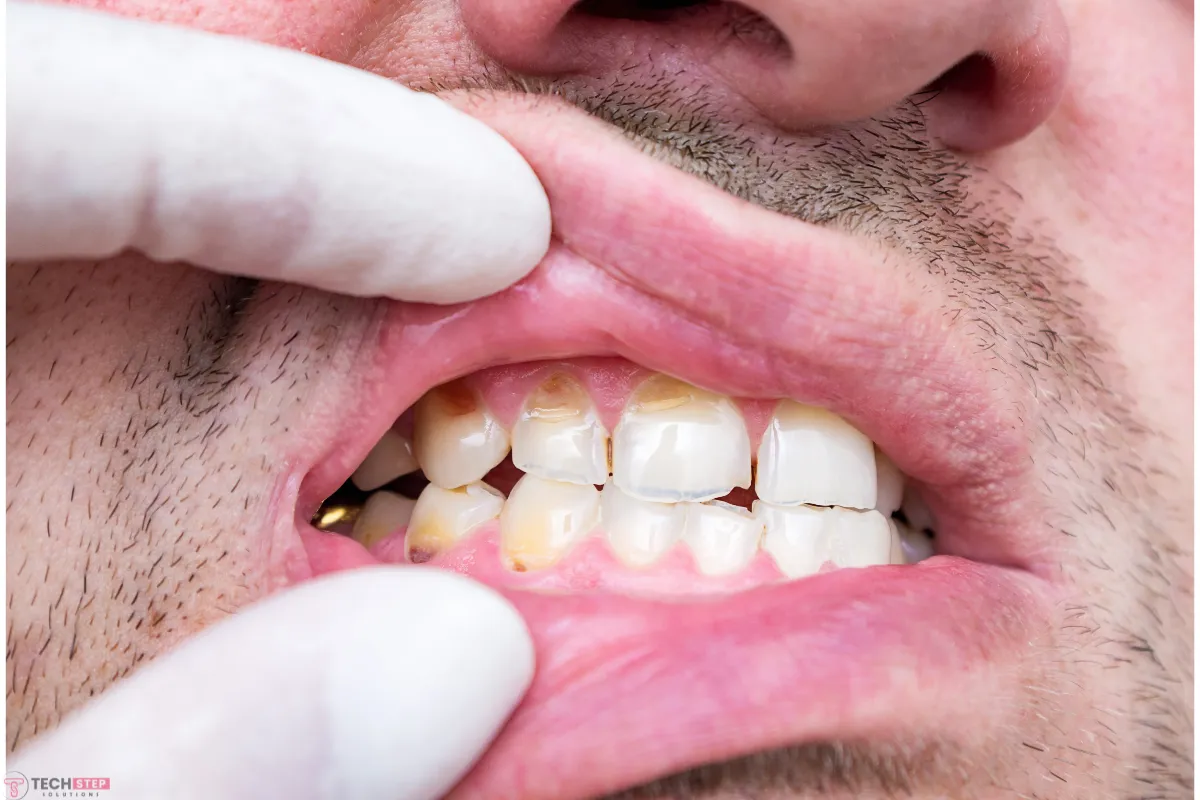
Teeth can become chipped or cracked due to various reasons like accidents, biting hard foods, or aging fillings. These issues can impact both your comfort and self-esteem. Fortunately, modern dental restoration techniques offer effective solutions, such as dental crowns vs bonding, to repair damaged teeth.
Choosing the right treatment ensures lasting oral health and enhances your smile. A well-restored tooth should not only look good but also function properly for tasks like chewing and speaking. Striking the right balance between durability and appearance is key.
When deciding between dental crowns vs bonding, it’s important to understand how each option works. While some cases may only need a temporary fix, others may require more durable protection. Knowing which solution is right for your needs can make the decision easier and stress-free.
The main difference between bonding and crowns lies in strength and coverage. Bonding repairs the surface of the tooth and restores minor chips or cracks. It is a quick, non-invasive procedure that improves appearance and function while preserving most of the natural tooth.
Dentists usually recommend tooth bonding for small flaws, surface cracks, or cosmetic adjustments. Bonding is ideal for minor issues and provides an affordable, natural-looking solution.
Crowns protect the entire tooth by covering it like a shell. They are used for deeper damage, structural weakness, or large fillings that bonding cannot support.
Crowns require precise placement and may take multiple visits. Their durability makes them long-lasting, often providing years of protection and restoring full functionality. They are preferred when teeth are extensively damaged or at risk of further decay.
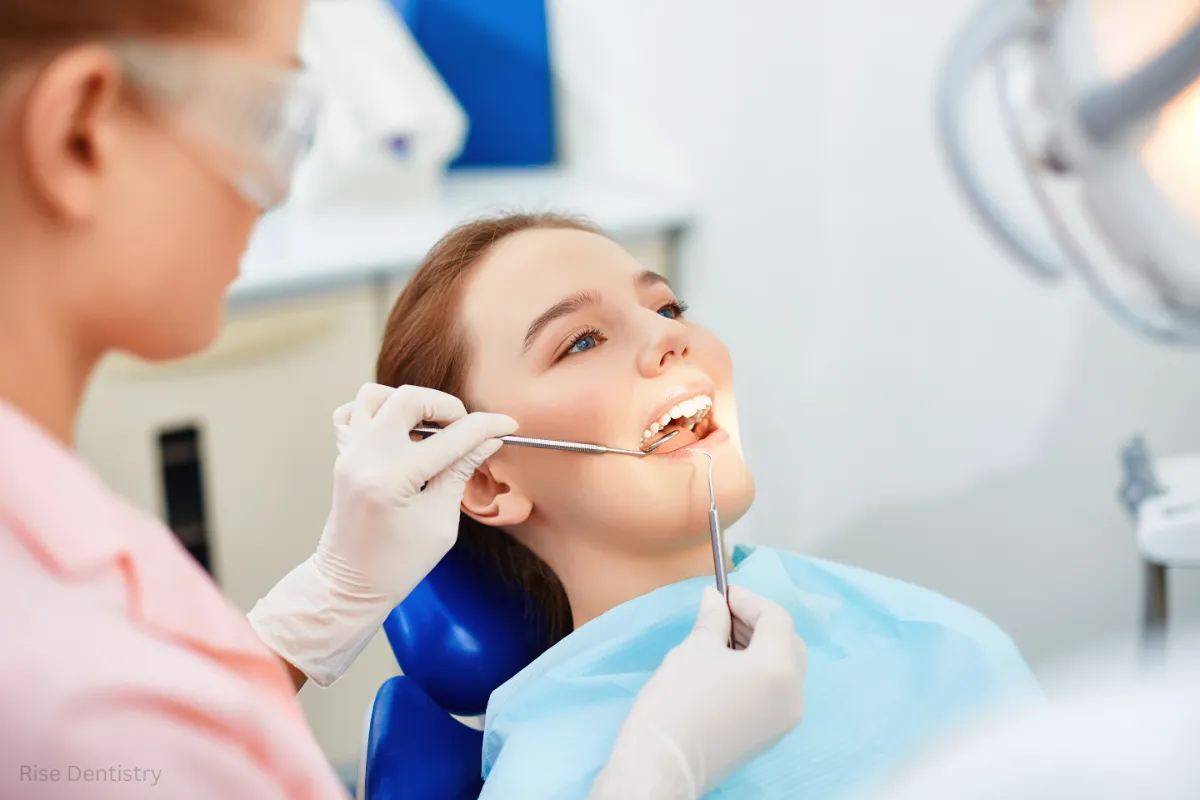
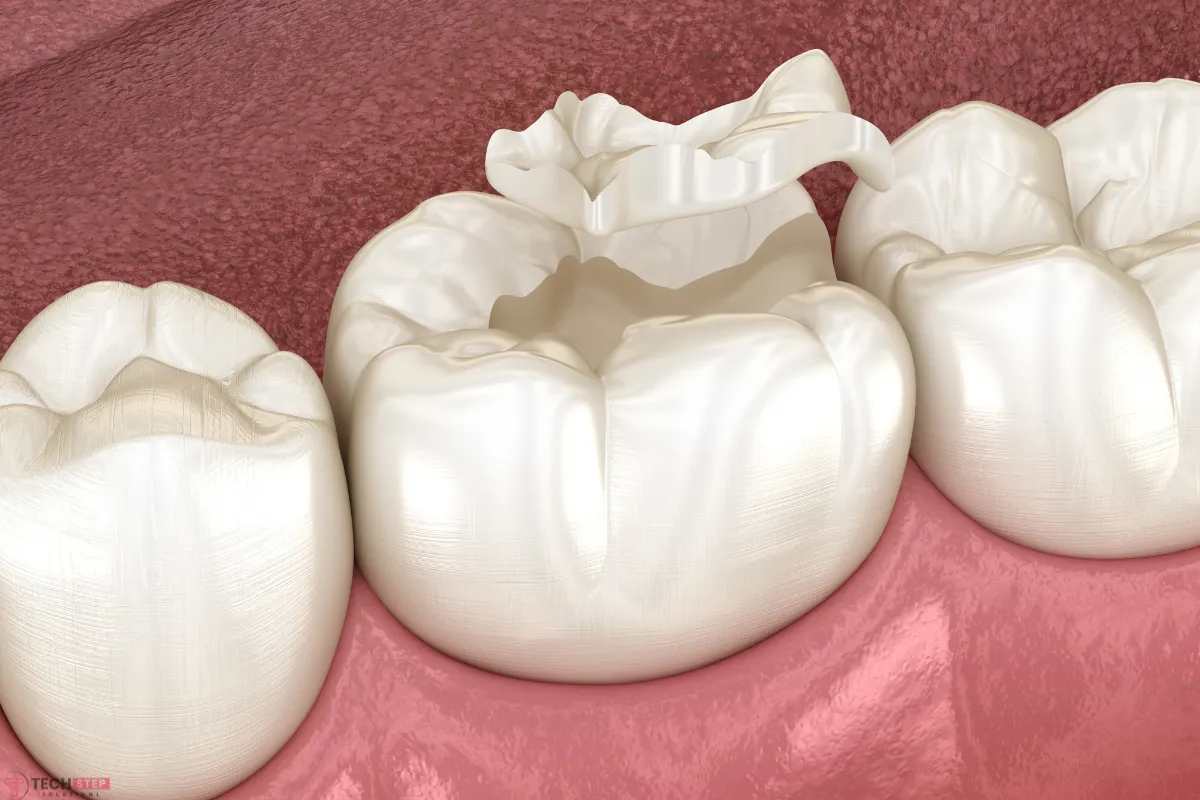
A dental crown is a cap that fully covers a damaged tooth, restoring both appearance and function. It protects teeth that are weak, cracked, or heavily decayed. Crowns are a reliable solution for maintaining oral health while improving your smile.
Crowns are especially helpful for teeth with large fillings, severe decay, or significant structural loss. By encasing the tooth, they prevent further damage and reduce the risk of fractures, giving long-term stability.
These restorations come in various materials, including metal, ceramic, and tooth-colored options that look natural. One of the key benefits is their long-lasting durability, often lasting many years when properly cared.
Bonding teeth is a procedure where a tooth-colored resin is applied directly to damaged or chipped teeth. It is shaped and hardened to restore both function and appearance. This method is quick, minimally invasive, and often completed in a single visit.
Bonding works best for minor issues such as small chips, cracks, or gaps. It is also ideal for cosmetic improvements like reshaping teeth or covering discoloration. The material is carefully matched to the natural color of your teeth for a seamless look.
The teeth bonding procedure is affordable compared to crowns. After cleaning and preparing the tooth, the resin is applied, shaped, and hardened with a special light. The result is a smooth, natural-looking restoration that improves your smile immediately.
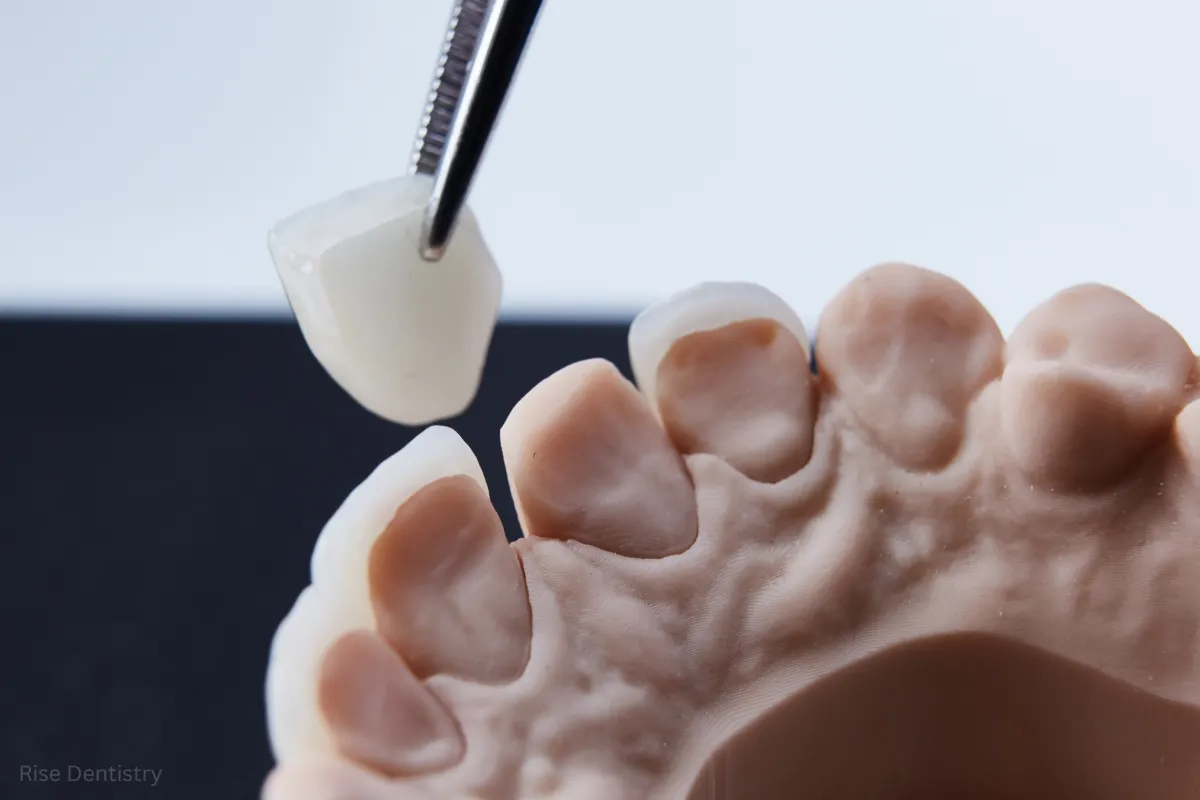
When deciding between bonding vs crown front tooth, aesthetics and strength play key roles. Front teeth are highly visible, so appearance is often the top priority.
Bonding offers a natural look for small chips or minor flaws. It preserves most of the original tooth and provides an affordable cosmetic solution.
Crowns provide stronger protection for teeth with more extensive damage. Patients usually weigh smile appearance, long-term durability, and overall oral health before choosing the best option.
Bonding is usually completed in one visit. Recovery is quick, and most patients experience minimal sensitivity.
Crowns require multiple visits, but they offer long-term durability. Recovery is straightforward, though minor sensitivity may occur initially.
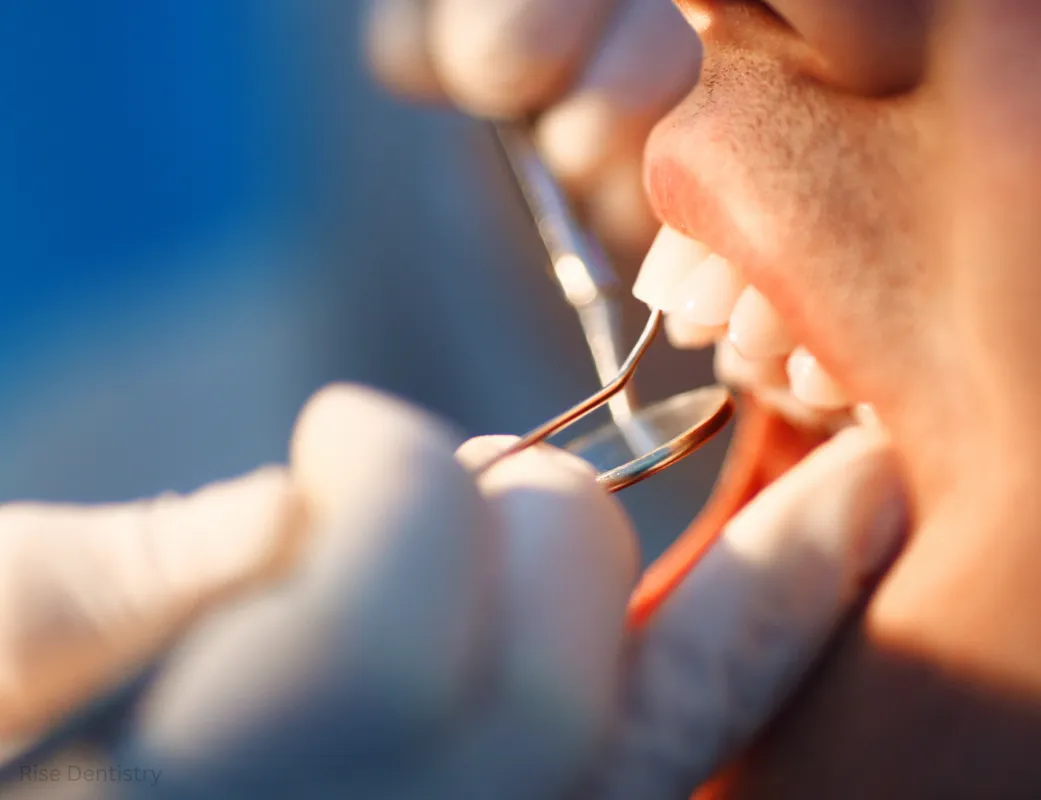
The teeth bonding cost usually ranges between $350 and $600 per tooth. This makes bonding an affordable choice for minor repairs. The procedure is quick, often completed in a single visit, and delivers a natural-looking smile.
In comparison, dental crowns prices are higher, typically between $1,000 and $3,500 per tooth. Crowns provide stronger protection and long-lasting results. Patients often consider short-term affordability versus long-term value when deciding. Insurance may help cover part of the cost, but crowns generally offer more durable restoration.
Pros:
Crowns provide excellent strength, full coverage, and superior durability. They protect teeth from further damage and can last many years with proper care.
Cons:
Higher cost and multiple dental visits are required for placement. For bonding teeth pros and cons, bonding is quick, affordable, and natural-looking but may chip sooner and have a shorter lifespan than crowns.
Pros:
Bonding is quick, affordable, and provides a natural appearance. It works well for minor cosmetic issues and is usually completed in one visit.
Cons:
Bonding has a shorter lifespan and is more prone to chipping compared to crowns.
The choice depends on tooth damage and goals. Bonding works well for small chips and cosmetic fixes. Crowns are better for teeth with extensive damage or structural weakness.
Yes, bonding is generally more affordable. It usually costs $350–$600 per tooth, while crowns range from $1,000–$3,500 per tooth.
Both can look natural. Bonding matches tooth color precisely for minor repairs. Crowns offer full coverage and tooth-colored materials for larger restorations.
Yes, crowns are stronger and more durable. Bonding is prone to chipping, especially under heavy pressure or grinding.
It depends on damage severity, cosmetic goals, and budget. Minor chips suit bonding. Extensive damage or weakened teeth require crowns for long-term protection.

Both bonding and crowns effectively restore damaged teeth, each offering unique benefits depending on the situation. The choice depends on tooth condition, cosmetic goals, and long-term durability.
Consulting a dentist ensures the best solution through personalized treatment planning. At Rise Dentistry, expert care with Dental Bonding protects oral health, improves function, and enhances your smile and confidence.
EXCELLENTTrustindex verifies that the original source of the review is Google. I called about needing to get only x-rays and they were able to get me in the same day! They were very nice and thorough.Posted on GoogleTrustindex verifies that the original source of the review is Google. Quick, clean, and friendly service! Definitely continuing my dental care here!Posted on GoogleTrustindex verifies that the original source of the review is Google. i can’t say enough good things about rise dentistry. i called for a consultation to remove my wisdom teeth. i was extremely embarrassed about the state of them but Dr. Sorathia was nothing but kind. he is extremely approachable and never made me feel bad. they managed to get me booked with the surgeon very promptly. one week after i’m no longer in pain and i will definitely return for my regular dental work.Posted on GoogleTrustindex verifies that the original source of the review is Google. "For years, I avoided the dentist due to my anxiety. Dr. Hassan sorathia and their team completely changed my perspective. The office has such a calming atmosphere, and the staff is compassionate and understanding. They explained every step of my treatment and made sure I was comfortable. I'm so grateful I found them and can now take care of my teeth without fear."Posted on GoogleTrustindex verifies that the original source of the review is Google. Rise was amazing! They extracted a wisdom tooth from me and the experience was completely pain free. Thank you so much!Posted on GoogleTrustindex verifies that the original source of the review is Google. I’m so grateful I found Dr. Sorathia and his wonderful staff at Rise Dentistry! From the moment I called, his office was incredibly accommodating and got me in immediately. He was professional, kind, and patient, and he truly understood my dental anxiety. I never felt rushed or pressured and he welcomed all my questions and explained each step of the process so I always knew what was happening. He made sure I understood all of my options, allowing me to make the most informed decision for my care. I left feeling comfortable, informed, and confident about my treatment. I will absolutely be returning to Dr. Sorathia and highly recommend him to anyone looking for a compassionate and thorough dentist.Posted on GoogleTrustindex verifies that the original source of the review is Google. I’m so glad I found this office! Staff is so kind and professional. They keep your comfort at the top of their priority list. Wish I had found them sooner! Can’t recommend this dentist enough!Posted on GoogleTrustindex verifies that the original source of the review is Google. Excellent Staff and Dr Sorathia very knowledgeable pleasant ambiance !

 .
.