TABLE OF CONTENT
How Do I Know If I Need a Root Canal?

Persistent tooth pain, swelling, or sensitivity to hot and cold could mean infection deep inside your tooth. Don’t ignore the signs—early treatment can save your natural tooth and protect your smile’s health!

How Do I Know If I Need a Root Canal? Symptoms You Can’t Ignore

A root canal is a dental procedure designed to save your tooth from severe infection or decay. When bacteria invade the inner tooth pulp, it can lead to pain, swelling, and damage to surrounding tissue. This treatment cleans the infection, seals the tooth, and prevents future issues, allowing you to maintain a healthy, natural smile.

If you’re asking, “How do I know if I need a root canal?”, common symptoms include persistent tooth pain, swelling, and sensitivity to hot or cold. These signs indicate that the infection has reached the tooth’s nerve, requiring prompt professional care.

If you’re experiencing these symptoms, visit a trusted dentist in Magnolia for a consultation. Addressing the problem early can prevent further damage and preserve your smile.


What Happens Inside the Tooth? Understanding the Root Problem

teeth root canal infection

Inside every tooth is a soft center called the tooth pulp, which contains blood vessels and nerves. This inner part keeps your tooth alive and healthy. When bacteria reach the pulp through a deep cavity, tooth decay, or a crack, it can become infected. The infection causes inflammation and pain, making it difficult to chew or bite.

If the infection spreads, it can lead to tooth nerve damage and form an abscess near the root. This not only affects the tooth but can also harm the surrounding bone and gums. Early treatment is important to stop the infection and save your natural tooth.

To restore oral health, dentists perform endodontic treatment or root canal therapy. These procedures remove the infected pulp, clean the canals, and seal the tooth, keeping it strong and pain-free.

teeth root canal infection

Common Signs and Symptoms That Indicate You Might Need a Root Canal

Persistent Tooth Pain or Discomfort

A continuous or throbbing ache is one of the main canal root symptoms. You may feel pain when chewing or even at rest. This persistent tooth discomfort often means the pulp is infected or inflamed and needs immediate care.

Sensitivity and Swollen Gums

If your tooth stays sensitive to hot or cold foods long after eating, it’s a warning sign. Swollen gums or tenderness around the tooth can also indicate an infection spreading beneath the surface.

Tooth Discoloration

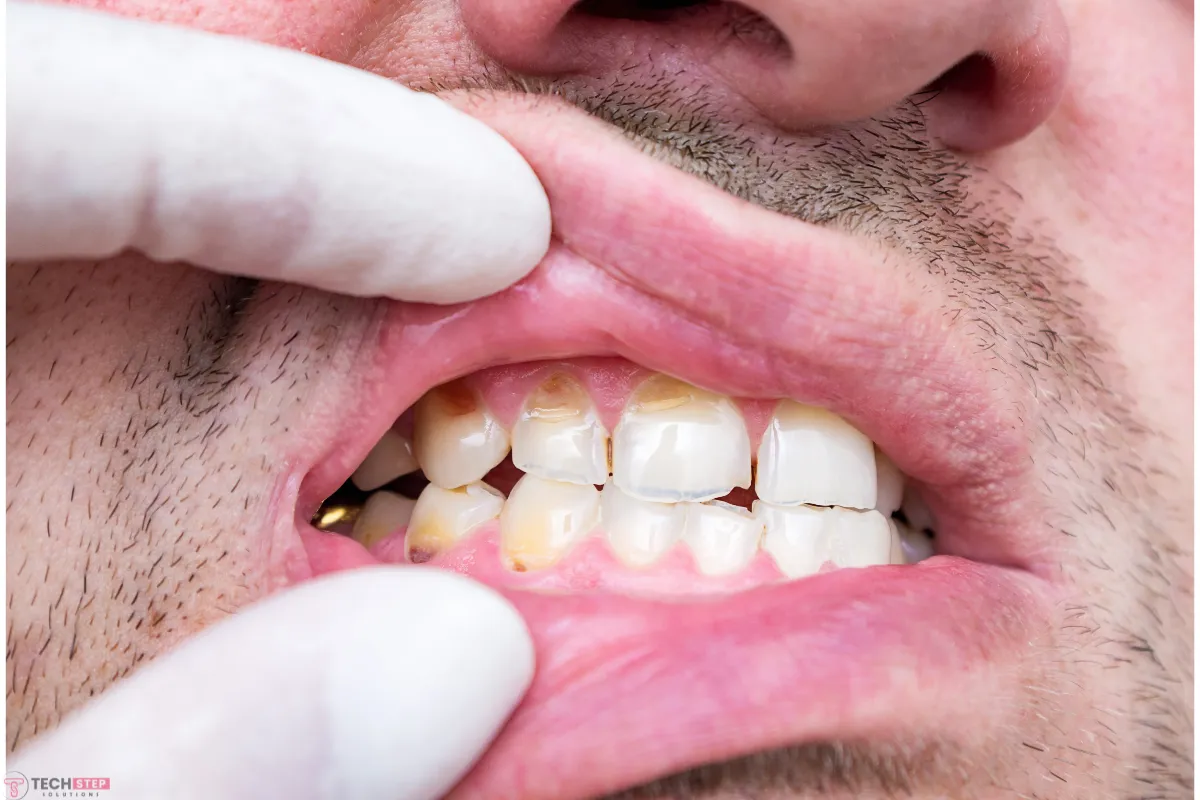
A tooth turning gray or dark may show pulp damage or reduced blood flow. This tooth discoloration is often a sign of an internal infection.

Cracked Tooth or Abscess Formation

A cracked tooth lets bacteria enter, causing a teeth root canal infection or abscess. You may notice swelling, pus, or a small bump near the gums — all serious symptoms of needing a root canal that call for quick treatment.

Risk Factors for Needing a Root Canal

risk factors for needing a root canal

Untreated Tooth Decay:

Ignored cavities allow bacteria to reach the tooth pulp, causing infection and pain. Early dental care prevents serious damage.

Dental Trauma or Grinding:

Accidents or constant grinding can crack teeth and expose nerves, increasing the risk of infection and pulp inflammation.

Repeated Fillings:

Too many dental procedures can weaken a tooth. Signs you need a root canal after a filling include pain or lingering sensitivity.

Deep Cavities Reaching the Pulp:

Severe decay can spread to the pulp, leading to swelling, tenderness, and the need for root canal therapy.

Prevention and Care:

Routine Family Dentistry visits and good oral hygiene catch these issues early and prevent the indications for root canal from worsening.

risk factors for needing a root canal

When Is a Root Canal Needed?

A canal root is needed when the soft inner layer of your tooth — the pulp — becomes infected or damaged. This happens when tooth decay, cracks, or injuries allow bacteria to reach deep inside the tooth. Once the pulp is affected, it can’t heal on its own. Without treatment, pain and swelling increase, and the tooth may eventually die.

Key Signs You May Need a Root Canal

Lingering tooth pain or discomfort, even after eating or brushing.

Gum swelling or tenderness near a specific tooth.

A visible abscess or small pimple-like bump near the gums.

Sensitivity to hot or cold that doesn’t fade quickly.

Why Prompt Treatment Matters

When you have a tooth that needs root canal, early treatment can save it. Your dentist removes the infection, seals the tooth, and restores your natural smile.

What Happens During a Root Canal Procedure? Step-by-Step Guide

A canal root is a simple, effective way to save your natural tooth from infection. With modern canal root therapy, local anesthesia ensures little to no pain and complete comfort.

Step 1: Cleaning the Tooth Pulp

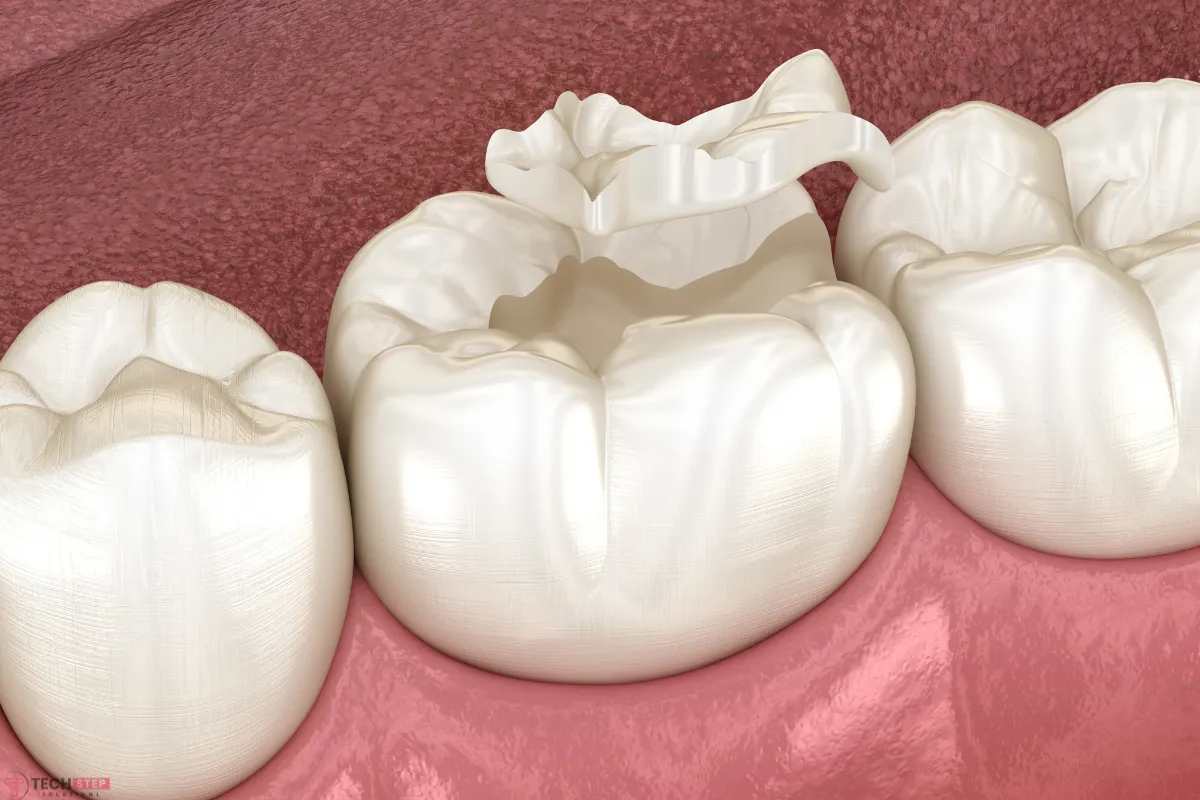
A small opening is made in the tooth to reach the inner tooth pulp, where nerves and blood vessels are located. The infected tissue is gently removed, and the area is cleaned to stop the spread of bacteria.

Step 2: Disinfecting and Filling the Canals

Once cleaned, the canals are disinfected and filled with a durable dental material that keeps the tooth stable and prevents reinfection.

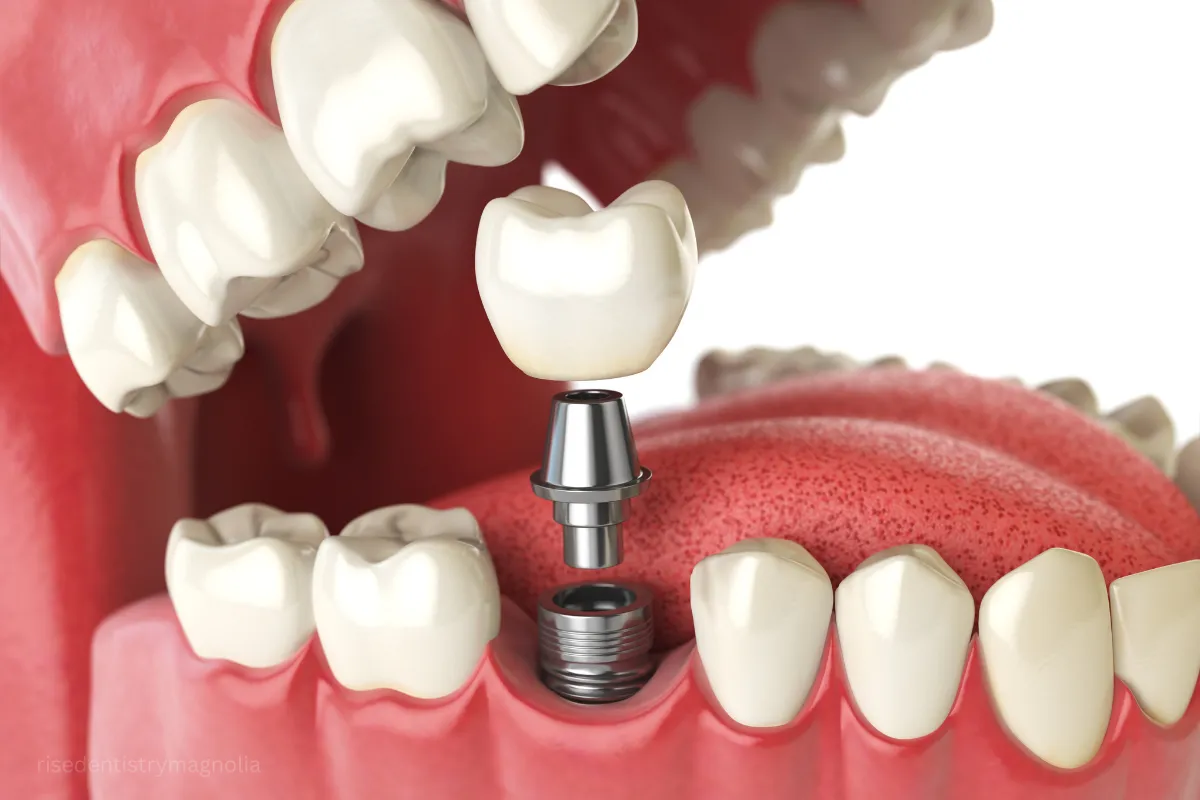
Step 3: Placing the Protective Crown

Finally, a protective crown is placed to restore strength and function. This crown allows you to chew normally and keeps the tooth safe for years.

To learn more about the process and benefits, visit our Root Canal Treatment page for detailed information and expert guidance.

What Happens If You Delay or Ignore a Tooth That Needs a Root Canal?

Delaying treatment for a tooth that needs a canal root can cause serious oral health problems. When an infection inside the tooth is ignored, it spreads deeper into the roots, resulting in a painful tooth canal root infection. This infection can lead to swelling, throbbing pain, and even fever if not treated in time.

Possible Complications of Delay

Formation of an abscess that can cause intense pain and pus buildup.

Bone loss around the affected tooth due to spreading infection.

Severe tooth decay that may make saving the tooth impossible.

Why Timely Treatment Matters

If you’re wondering how long a tooth can go untreated, waiting increases risk. Timely endodontic treatment at Rise Dentistry relieves pain and saves your tooth.

Recovery and Care After Root Canal Treatment

Recovering from a canal root is usually quick and comfortable. Some mild tenderness or slight root canal pain is normal for a few days, but it fades fast as the tooth heals. Most people can return to daily routines within 24–48 hours.

Here’s how to heal faster and stay comfortable:

Stick to soft foods like soups, smoothies, or mashed potatoes.

Avoid chewing on the treated side until your crown placement is complete.

Brush and floss gently to keep the area clean.

Use a warm saltwater rinse if soreness appears.

Good aftercare protects your smile and ensures lasting results. For more information, learn how to keep your restored tooth strong and healthy.

FAQs

What causes you to need a root canal?

A canal root is needed when the tooth pulp becomes infected due to severe decay, deep cavities, or dental trauma. The infection causes pain, swelling, and sensitivity, which can worsen without treatment.

Sometimes gum issues, sinus pain, or enamel sensitivity can feel similar to canal root symptoms. Only a dentist can confirm if the problem is inside the pulp or on the surface.

It’s often too late once the infection spreads to the bone or when the tooth structure is too damaged to be saved.

Your dentist will use X-rays, pulp vitality tests, and a full dental exam to identify infection or nerve damage.

A tooth that needs a canal root can worsen within a few days or weeks, leading to abscesses and severe pain if ignored.

Restore Comfort and Confidence with Expert Root Canal Care at Rise Dentistry

tooth that needs root canal

Ignoring the common signs of infection, such as pain, swelling, or tooth sensitivity, can make things worse over time. Acting early saves your natural tooth and prevents the infection from spreading.

tooth that needs root canal

At Rise Dentistry, we focus on gentle, personalized endodontic treatment designed to relieve discomfort and restore your oral health. Our skilled Family Dentistry team uses advanced tools and techniques to ensure every procedure feels smooth and stress-free.

We believe every patient deserves comfort and confidence when it comes to their smile. Don’t wait until the pain becomes severe—book your appointment at Rise Dentistry today and protect your natural smile with trusted Root Canal Treatment.