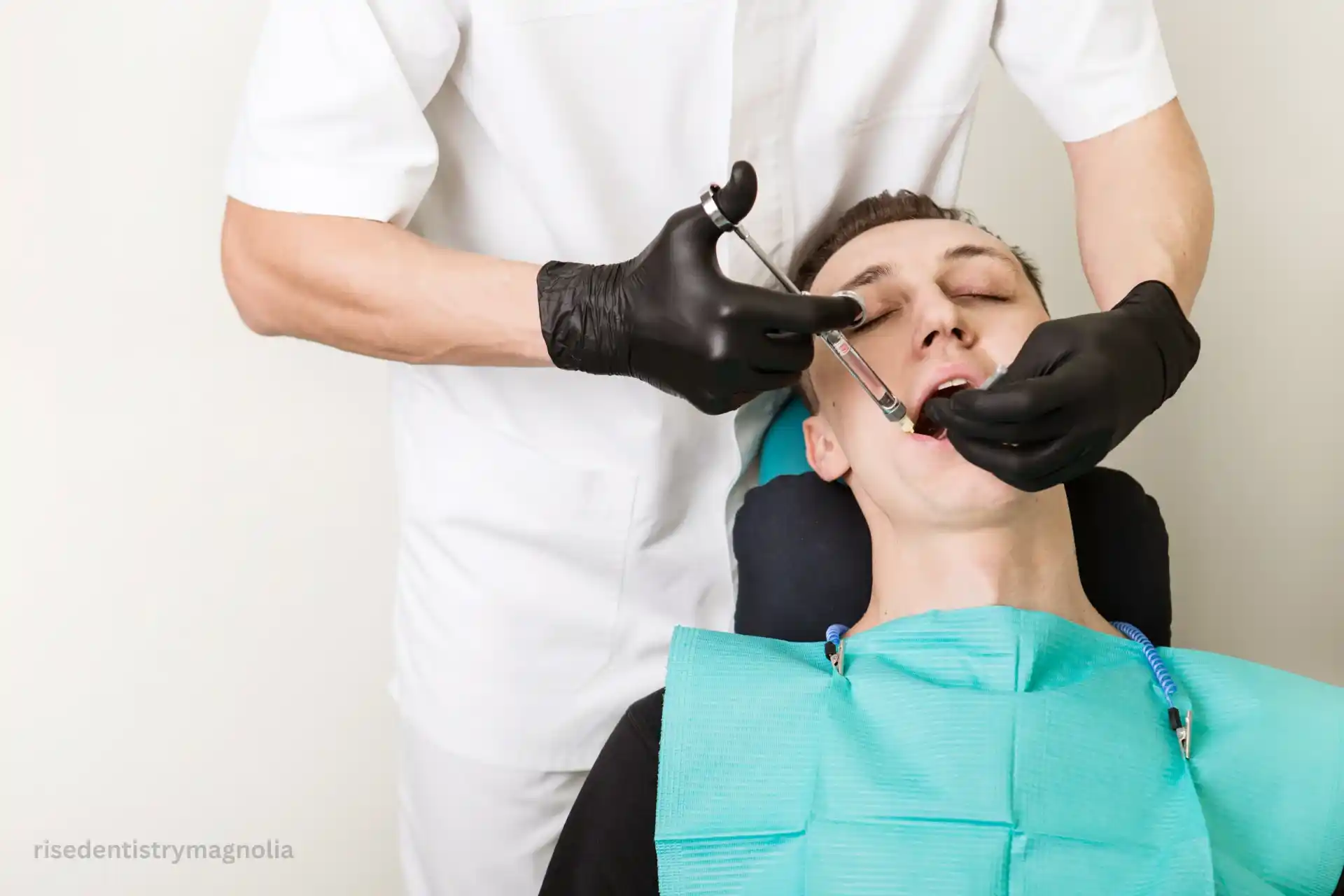
Wondering when you can eat again after your extraction? Start with soft foods after 24 hours and avoid chewing near the treated area.
After a tooth extraction, many patients wonder, How soon can I eat after tooth extraction? It’s crucial to allow your mouth time to heal properly to avoid complications like dry socket. For the first 24 hours, stick to liquids and soft foods that won’t disturb the healing process. Following your dentist’s advice is essential for a smooth recovery.
During this period, avoid hot, spicy, or crunchy foods that could irritate the extraction site. Gradually, as the pain subsides, you can return to solid foods. For the best recovery experience, consult with your dentist in Magnolia for personalized guidance on eating post-surgery.
By taking the right precautions, you’ll promote healing and ensure your comfort during recovery.
A tooth extraction removes a damaged or infected tooth to protect surrounding teeth and relieve pain. It’s performed by an oral surgeon or dentist when a tooth can’t be restored.
After extraction, a blood clot forms in the extraction site, acting as a natural bandage. It protects against infection and starts the healing process by allowing new tissue to grow.
Follow your dentist’s instructions carefully. Eat soft foods, avoid suction, and keep your mouth clean for proper healing.
Once the area feels comfortable and the gums strengthen, you can slowly add solid foods back to your regular diet without discomfort.
The time for eating after tooth extraction varies for everyone. Healing depends on the type of extraction and your overall health. Knowing these factors helps you choose the right after tooth extraction food and ensures a safe, comfortable recovery.
A simple extraction heals faster since the tooth is easy to remove. Most people can eat soft meals within a day or two.
A surgical extraction takes longer because it involves deeper tissues. Stick to soft meals and avoid hard or chewy foods for several days to protect the blood clot and aid recovery.
Your individual healing rate matters too. Younger people recover faster, while older adults or those with medical issues may need extra time. Good nutrition, hydration, and rest help you return to solid foods comfortably.
A careful diet after tooth extraction protects your mouth and speeds up healing. The first few days are the most important. Knowing what to eat — and what to avoid — ensures safer and faster recovery.
Avoid solid foods completely during the first day. Your mouth needs rest to allow a blood clot to form at the extraction site. This clot shields the area from bacteria and starts the healing process.
After 24 hours, you can try gentle soft foods like yogurt, applesauce, or pudding. Eat slowly and avoid using a straw, as suction can dislodge the clot. Gentle care during this time prevents dry socket and helps your gums heal comfortably.
Be cautious about what goes on your plate right after surgery.

can loosen the blood clot and delay recovery.
like chips, nuts, and crackers can irritate your gums.
such as rice or seeds may get stuck in the wound and cause complications.
Choosing cool, soft, and smooth textures makes eating after extraction easier and keeps your food after tooth extraction safe for healing.
After your dental procedure, eating gentle foods helps your mouth heal faster and reduces irritation. Soft, easy-to-chew meals protect your gums and support the healing process.
During the first few days, stick to smooth, nourishing meals that don’t require chewing. Some of the best foods to eat after tooth extraction include:
These excellent choices are soothing, nutritious, and ideal foods to eat after tooth pulled. They protect the blood clot, reduce irritation, and support faster healing. Eat slowly and avoid using a straw to prevent dry socket or discomfort.
From day 3 to 7, you can start adding slightly firmer foods as your mouth heals. Begin with soft textures that are easy to chew, such as:
like bananas or peaches
These gentle foods make eating after molar extraction easier and prepare your mouth for a regular diet. Introduce them slowly and stop if you feel discomfort. Following this list of soft foods to eat after wisdom teeth removal ensures safe, steady healing.
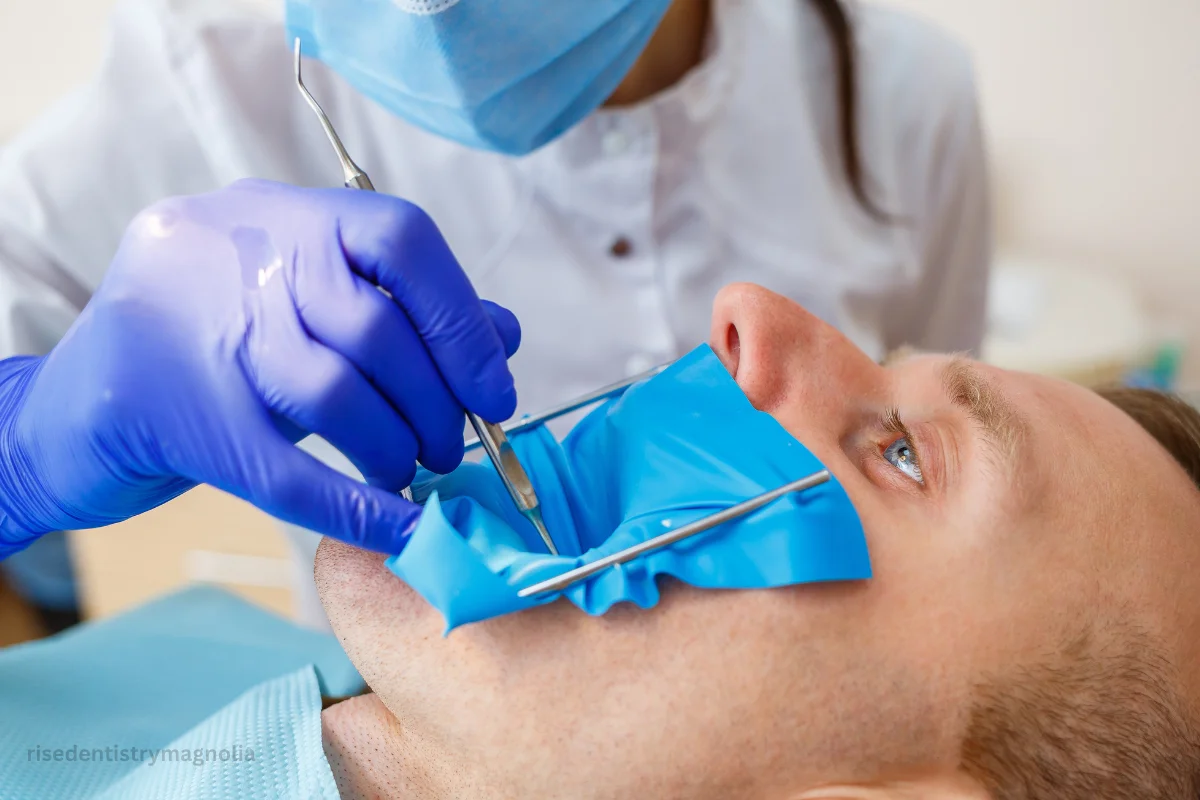
Staying hydrated is one of the simplest ways to support proper healing after dental treatment. Drinking enough water helps flush bacteria, reduces swelling, and keeps your mouth clean. It also promotes a smooth recovery by maintaining moisture in your gums.
Avoid using straws while drinking. The suction can disturb the blood clot protecting your extraction site, which may cause pain or slow healing.
Choose cool or room-temperature drinks such as water, mild herbal teas, or electrolyte beverages. These options keep you refreshed without irritating your mouth.
Stay away from hot foods and sugary sodas, as they can delay recovery and increase discomfort. Gentle hydration, paired with the right certain foods, helps your mouth heal faster and keeps your body strong during recovery.
A smooth recovery depends on how well you follow aftercare and monitor your healing. Paying attention to early signs of trouble prevents complications and keeps the healing process on track.
After eating, always check your mouth for changes.
Watch for redness, swelling, or pain near the extraction site.
Stop eating and rinse gently if you notice excessive bleeding.
Avoid solid foods if chewing causes discomfort or irritation.
If swallowing feels difficult or the pain lingers, rest your mouth and stick to soft meals.
These are signs your gums need more time to recover before returning to regular foods.
If pain, swelling, or bleeding lasts beyond three to five days, contact your dentist.
Reach out if you’re unsure about your diet after tooth extraction or food safety during recovery.
It’s best to wait at least 24 hours before eating any food. Your mouth needs time to form a blood clot that supports healing. Eating too soon may disturb the site and cause pain.
Avoid straws for at least a few days. The suction can dislodge the blood clot, leading to dry socket and delayed healing. Drink slowly from a cup instead.
Wait until your mouth feels comfortable—usually five to seven days. Choose soft meals and use the other side of your mouth for chewing. Avoid solid foods until the area heals.
Eating early can loosen the blood clot and cause bleeding or complications. Always follow your dentist’s instructions and avoid hot foods or hard meals.
Most people can return to their regular diet after about a week. Introduce solid foods slowly and continue choosing soft, mild meals for comfort.

Healing well depends on your food choices and how gently you care for your mouth. Sticking to soft foods and avoiding crunchy or spicy meals allows your gums to heal properly. Gentle choices protect the blood clot and help with proper healing.
Be patient before returning to your regular diet. Rushing the process can cause discomfort or slow recovery. Follow your dentist’s advice and listen to your body’s signals.
If you have questions about your healing or diet, don’t hesitate to reach out. The experienced oral surgeon and Family Dentistry team at Rise Dentistry are here to guide you through a smooth recovery and ensure your comfort every step of the way.

EXCELLENTTrustindex verifies that the original source of the review is Google. I called about needing to get only x-rays and they were able to get me in the same day! They were very nice and thorough.Posted on GoogleTrustindex verifies that the original source of the review is Google. Quick, clean, and friendly service! Definitely continuing my dental care here!Posted on GoogleTrustindex verifies that the original source of the review is Google. i can’t say enough good things about rise dentistry. i called for a consultation to remove my wisdom teeth. i was extremely embarrassed about the state of them but Dr. Sorathia was nothing but kind. he is extremely approachable and never made me feel bad. they managed to get me booked with the surgeon very promptly. one week after i’m no longer in pain and i will definitely return for my regular dental work.Posted on GoogleTrustindex verifies that the original source of the review is Google. "For years, I avoided the dentist due to my anxiety. Dr. Hassan sorathia and their team completely changed my perspective. The office has such a calming atmosphere, and the staff is compassionate and understanding. They explained every step of my treatment and made sure I was comfortable. I'm so grateful I found them and can now take care of my teeth without fear."Posted on GoogleTrustindex verifies that the original source of the review is Google. Rise was amazing! They extracted a wisdom tooth from me and the experience was completely pain free. Thank you so much!Posted on GoogleTrustindex verifies that the original source of the review is Google. I’m so grateful I found Dr. Sorathia and his wonderful staff at Rise Dentistry! From the moment I called, his office was incredibly accommodating and got me in immediately. He was professional, kind, and patient, and he truly understood my dental anxiety. I never felt rushed or pressured and he welcomed all my questions and explained each step of the process so I always knew what was happening. He made sure I understood all of my options, allowing me to make the most informed decision for my care. I left feeling comfortable, informed, and confident about my treatment. I will absolutely be returning to Dr. Sorathia and highly recommend him to anyone looking for a compassionate and thorough dentist.Posted on GoogleTrustindex verifies that the original source of the review is Google. I’m so glad I found this office! Staff is so kind and professional. They keep your comfort at the top of their priority list. Wish I had found them sooner! Can’t recommend this dentist enough!Posted on GoogleTrustindex verifies that the original source of the review is Google. Excellent Staff and Dr Sorathia very knowledgeable pleasant ambiance !

 .
.