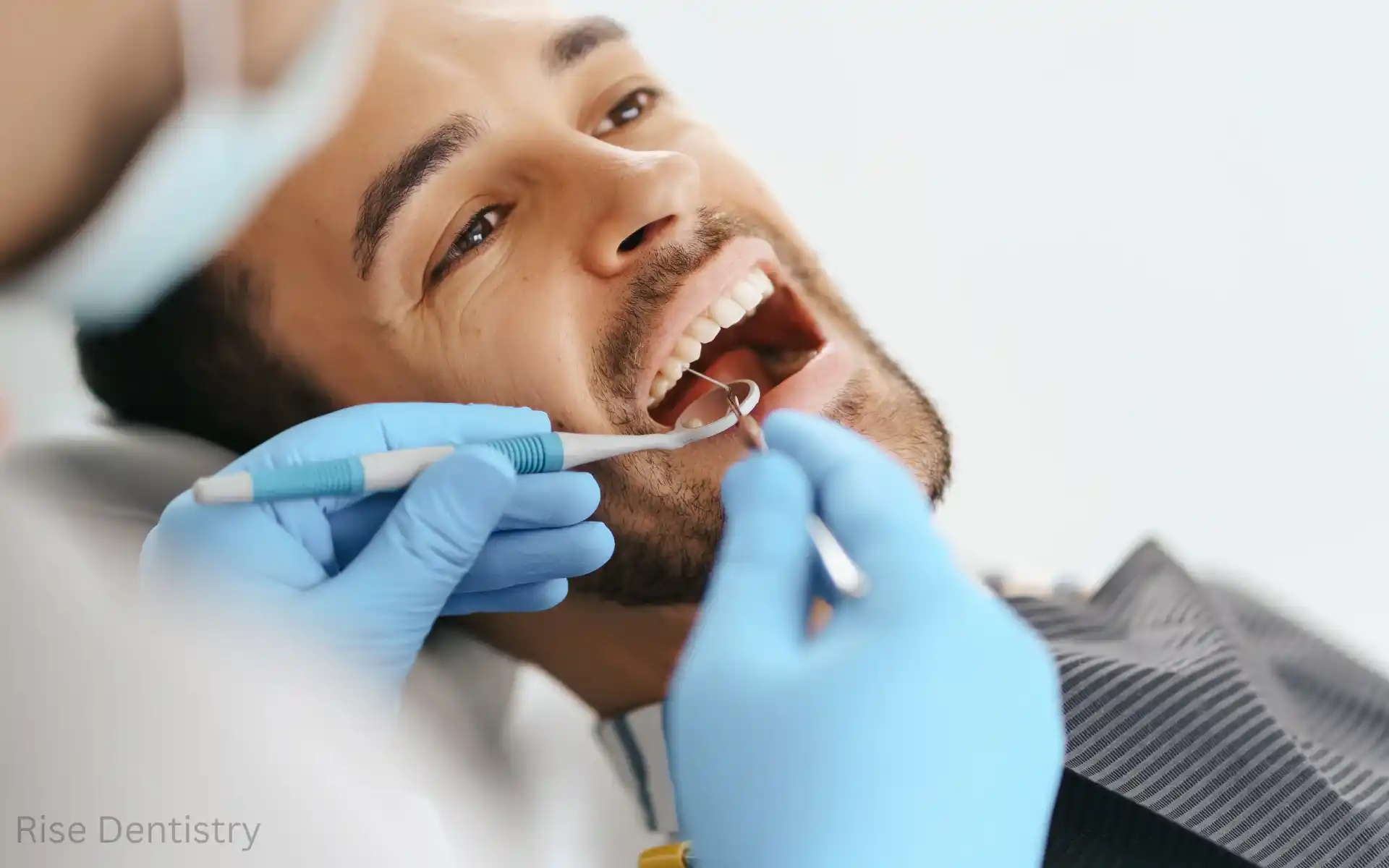
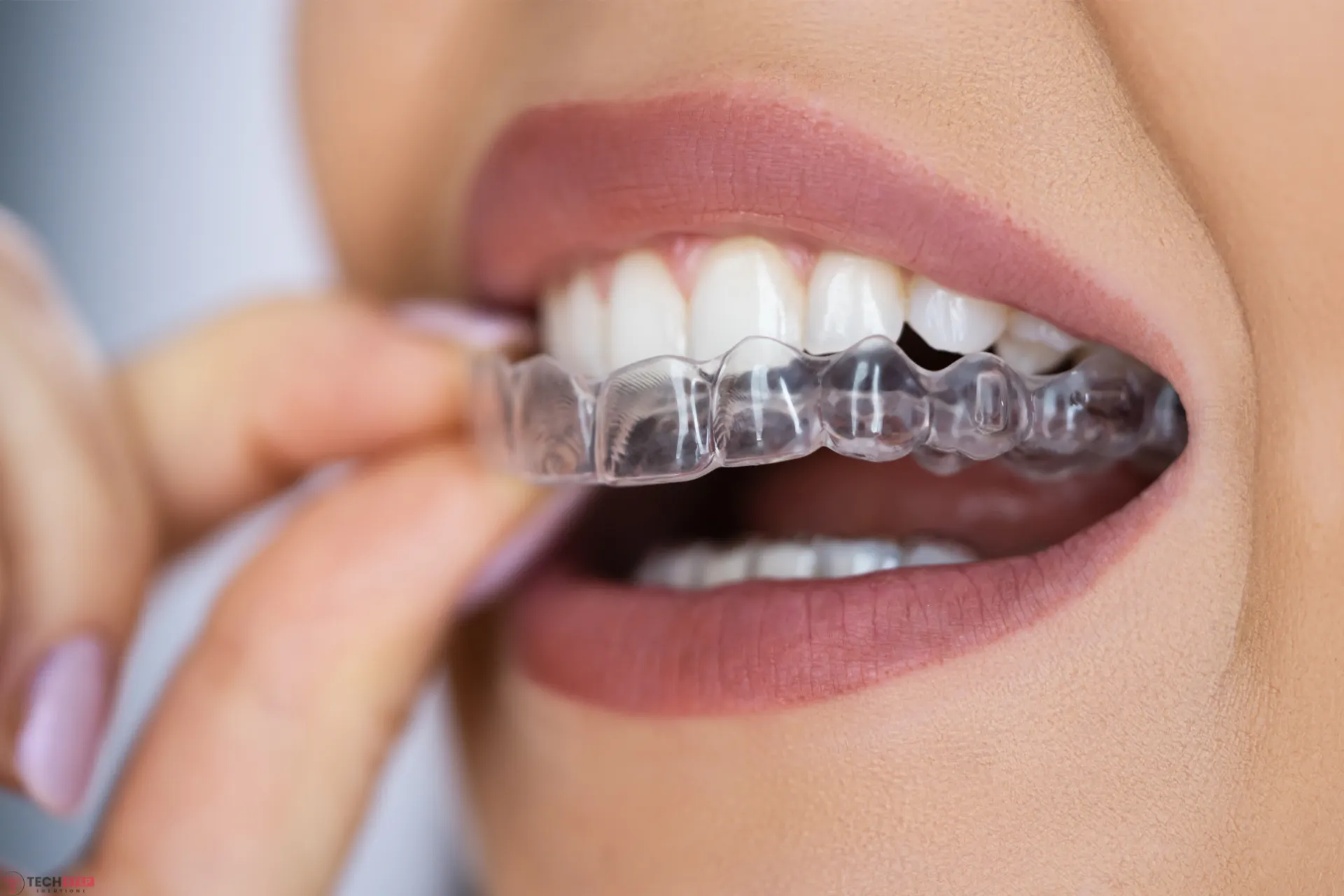
Swollen gums can signal gum disease or infections. Early care at Rise Dentistry can prevent complications. Book your consultation today!
Swollen gums are commonly caused by gum disease due to plaque buildup along the gum line, which irritates the gums. Poor oral hygiene, such as not brushing or flossing regularly, allows bacteria to accumulate and inflame the gums. Infections or abscesses in the gums can also lead to swelling.
Other causes include vitamin deficiencies, particularly Vitamin C, which is essential for healthy gums. Lifestyle habits like smoking can exacerbate gum inflammation, while hormonal changes during pregnancy or puberty can make gums more sensitive and prone to swelling.
To prevent swollen gums, it's important to maintain good oral hygiene, eat a balanced diet, and avoid tobacco use. Regular dental check-ups can help catch early signs of gum issues before they worsen.
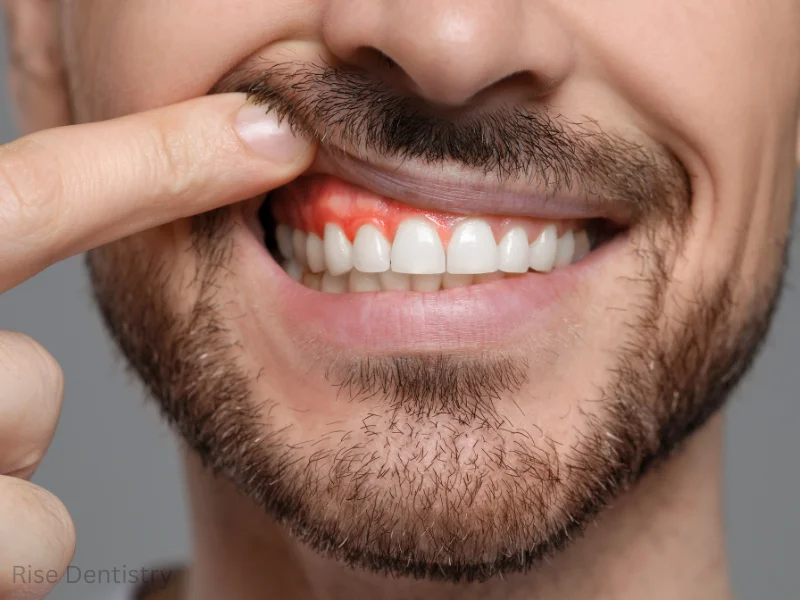
Gum swelling, also called gingival swelling, happen when gum tissue becomes inflamed or irritated. Swelling often starts near the gum line, where teeth and gums meet. Gums protect tooth roots and support your teeth, with good blood flow to stay healthy and repair minor damage.
Red and swollen gums may feel tender, sore, or bleed while brushing or flossing. Sensitivity to hot or cold food is common. Even mild swelling can affect oral health, as food and plaque can build up. Ignoring Gum swelling may lead to infection or gum disease. Early care helps protect gums and teeth.
There are many swollen gums reasons, and they are not always the same for everyone. Sometimes the problem is linked to dental issues, while other times it may come from health conditions or daily habits. Let’s look at the most common causes.
The most common cause is gingivitis, an early stage of gum disease. It happens when plaque builds up along the gum line. If ignored, it may lead to periodontitis, a more serious stage where inflammation reaches the tooth roots and damages supporting tissue.
Tooth decay and abscesses can also cause pain and swelling. Many people notice swollen gums around the tooth when infection spreads. Sometimes, swollen gums in one area happen because of food particles or dental cement stuck under the gum.
Deficiencies in Vitamin B or Vitamin C may lead to gum problems. Severe Vitamin C deficiency, known as scurvy, can even cause bleeding gums. Chronic illnesses like unmanaged diabetes weaken the body and raise the risk of gum inflammation.
In some cases, gum swelling appears suddenly. Sudden gum swelling may be caused by bacterial, viral, or fungal infections. Hormonal changes during puberty, pregnancy, or menopause can also make gums sensitive because of increased blood flow.
Poor oral hygiene allows plaque and tartar to build up, making gums inflamed. Smoking or using tobacco products increases irritation and slows healing. Certain medications also cause gum swelling as a side effect.
Stress can also affect your immune system and make gums more vulnerable over time.
Gum swelling doesn’t always start with pain, but discomfort often follows. Many people feel painful swollen gums while brushing or eating. Some experience sore swollen gums when talking, chewing, or even touching the area with the tongue. In certain cases, you may notice swollen gums in back of mouth, which can make it harder to clean or bite properly.
If the problem gets worse, more serious signs may appear. Bleeding while brushing is common when swelling is ignored. Some people may feel jaw pain or notice a bad taste in the mouth. A pus-filled abscess is a clear sign of infection and needs quick treatment.
Short-term irritation from food or brushing too hard may settle on its own. But swelling that lasts or keeps coming back often points to a deeper issue.
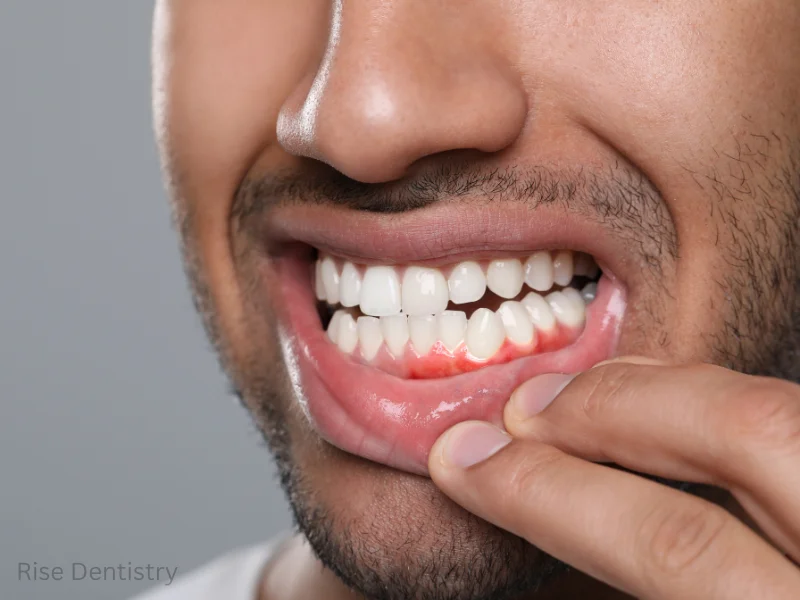
Not all swelling needs a dental visit, but ongoing symptoms should never be ignored. If pain lasts more than a few days, it may be more than irritation. Red and swollen gums that bleed often can be a sign of gum disease.
You should also get help if there is jaw pain or swelling in one area. A pus-filled abscess needs quick dental treatment. Bad breath or a bad taste in the mouth can point to infection.
Home care is fine for mild issues, but it has limits. Saltwater rinses, ice packs, and gentle brushing can reduce swelling for a short time. If the problem doesn’t improve, it’s time to see a dentist. Delaying treatment can lead to deeper infection and damage to the tooth roots. Early care protects your teeth, gums, and overall oral health.
Good habits can stop swelling before it starts. Brushing twice a day and flossing help remove plaque near the gum line. Using a fluoride toothpaste supports gum and tooth health.
Avoid smoking and tobacco products because they slow healing and irritate gum tissue. Eating foods rich in Vitamin B and C supports healthy gums and blood flow. Staying hydrated helps the mouth flush away bacteria. Managing stress also matters because it affects the immune system.
A dental checkup every six months can catch problems early. If you notice swollen lower gums, sensitivity, or bleeding, don’t wait. Prevention is always easier than treatment.
Antibiotics are used when an infection is causing the swelling. They help reduce bacteria and control inflammation. A dentist may suggest them if there is pain, pus, or visible infection.
This intensive cleaning clears away plaque and tartar buildup beneath the gum line. It allows the gums to heal and reattach to the teeth. It is often used in early gum disease.
In severe gum disease, surgery may be needed to repair damaged tissue. It helps reduce deep gum pockets and protects the tooth roots from further harm.
If swelling is linked to an abscess or infection inside the tooth, a root canal can help. It removes the infected pulp and stops the spread of bacteria.
When a tooth is badly damaged or infected, removal may be the safest option. Extracting the tooth can stop further complications and protect nearby gums.
Mild swollen gums can improve with home care. Saltwater rinses help reduce bacteria, ice packs lower inflammation, and gentle brushing prevents irritation. Drinking water supports healing. For more ways to care for your gums, check out our guide on fastest ways to heal swollen gums.
Yes. Plaque builds up along the gum line, which can lead to gum disease and red and swollen gums.
Yes. Stress weakens your immune system and can trigger inflammation, making gums more sensitive and prone to swelling.
Sometimes. Minor irritation may improve, but Gum swelling caused by gum disease usually require professional treatment.
They can be. Gums may feel sore, tender, or bleed while brushing and flossing. Pain often depends on severity.
Temporary swelling is common after procedures. Persistent or worsening swelling needs attention from a dentist to prevent complications.
Maintain good oral hygiene, rinse with warm saltwater, and stay hydrated. See a dentist if swelling lasts more than a few days.
Yes. Swollen gums in one area may be caused by trapped food, infection, or an abscess near the tooth root.
Brush and floss daily, avoid tobacco, manage stress, and maintain a healthy diet with vitamins B and C.
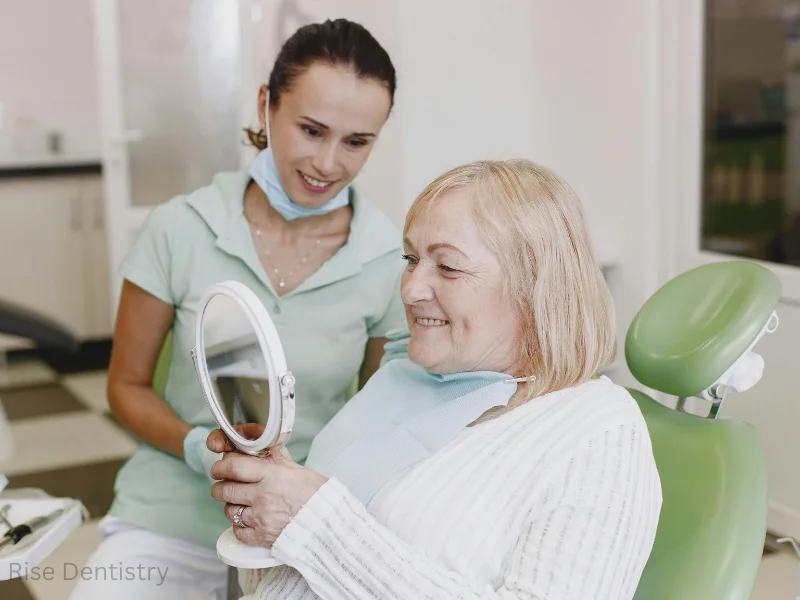
Gum swelling is common and usually treatable. Most causes improve with proper care and early attention. Catching problems early helps prevent gum disease from getting worse and protects your teeth and overall oral health. Persistent or severe swelling should always be checked by a dentist at Rise Dentistry in Magnolia, TX.
Maintaining good oral hygiene, brushing and flossing daily, and visiting your dentist regularly at Rise Dentistry are key steps. Eating a balanced diet rich in vitamins supports healthy gums and blood flow. With consistent care, you can prevent swollen gums treatment and enjoy a healthier, more comfortable smile with guidance from Rise Dentistry.
EXCELLENTTrustindex verifies that the original source of the review is Google. I called about needing to get only x-rays and they were able to get me in the same day! They were very nice and thorough.Posted on GoogleTrustindex verifies that the original source of the review is Google. Quick, clean, and friendly service! Definitely continuing my dental care here!Posted on GoogleTrustindex verifies that the original source of the review is Google. i can’t say enough good things about rise dentistry. i called for a consultation to remove my wisdom teeth. i was extremely embarrassed about the state of them but Dr. Sorathia was nothing but kind. he is extremely approachable and never made me feel bad. they managed to get me booked with the surgeon very promptly. one week after i’m no longer in pain and i will definitely return for my regular dental work.Posted on GoogleTrustindex verifies that the original source of the review is Google. "For years, I avoided the dentist due to my anxiety. Dr. Hassan sorathia and their team completely changed my perspective. The office has such a calming atmosphere, and the staff is compassionate and understanding. They explained every step of my treatment and made sure I was comfortable. I'm so grateful I found them and can now take care of my teeth without fear."Posted on GoogleTrustindex verifies that the original source of the review is Google. Rise was amazing! They extracted a wisdom tooth from me and the experience was completely pain free. Thank you so much!Posted on GoogleTrustindex verifies that the original source of the review is Google. I’m so grateful I found Dr. Sorathia and his wonderful staff at Rise Dentistry! From the moment I called, his office was incredibly accommodating and got me in immediately. He was professional, kind, and patient, and he truly understood my dental anxiety. I never felt rushed or pressured and he welcomed all my questions and explained each step of the process so I always knew what was happening. He made sure I understood all of my options, allowing me to make the most informed decision for my care. I left feeling comfortable, informed, and confident about my treatment. I will absolutely be returning to Dr. Sorathia and highly recommend him to anyone looking for a compassionate and thorough dentist.Posted on GoogleTrustindex verifies that the original source of the review is Google. I’m so glad I found this office! Staff is so kind and professional. They keep your comfort at the top of their priority list. Wish I had found them sooner! Can’t recommend this dentist enough!Posted on GoogleTrustindex verifies that the original source of the review is Google. Excellent Staff and Dr Sorathia very knowledgeable pleasant ambiance !

 .
.